The revealing thing about Lower is the order in which it went shopping. In January 2025, the mortgage lender announced that it had acquired Neat Labs, a company that made the software behind a home loan. In May, it announced the purchase of Movoto, the real estate search portal. One deal reached into the factory. The other reached out to the shop window.
- Lower makes home loans online and through local loan officers.
- LowerOS tackles loan production. Movoto brings home search and agent connections.
- The bet: fewer awkward handoffs between finding a home and financing it.
Put those purchases together and a useful question appears. Where does a mortgage business really begin? At the application form? At the conversation about income? Or weeks earlier, when somebody is scrolling through kitchens they can almost afford?
A lender before it was an app
Lower began in 2014 with Homeside, a retail mortgage operation working through relationships with real estate professionals and builders. The Lower.com consumer brand followed in 2018. That sequence matters. Its founders knew the business of making loans before they started redesigning the digital experience around it.
Dan Snyder leads a founding group that includes Mike Baynes, Grayson Hanes, Chris Miller, and Robert Tyson. By June 2021, investor Accel described a profitable, bootstrapped business with more than $300 million in revenue. Accel then led a $100 million Series A. Those are historical figures, but they explain why this company’s technology ambitions rest on an existing lending operation.
Accel-led capital, after years of operating without institutional venture funding.
The product menu is recognizable: purchase mortgages, refinancing, and borrowing against home equity. Customers can apply digitally and get help from a loan officer. Conventional, FHA, VA, jumbo, and adjustable-rate options serve different borrowers. The expertise is in matching a household’s circumstances to a loan and getting that loan through approval.
Buy the machinery
A pleasant application screen cannot, by itself, make the work behind it pleasant. Pricing, documents, underwriting, and closing still have to connect. Lower’s answer was to acquire Neat Labs and incorporate its technology into LowerOS, its proprietary, cloud-based origination platform.
The intended experience gives borrowers more visibility into eligible products and payment choices while automating work for loan officers. At the acquisition announcement, Snyder called the acquired technology “the foundation of our next chapter.” The practical ambition is straightforward: spend less time moving information and more time helping a borrower make a decision.
In a January 2025 Power House interview, Snyder explained that Lower wanted control over the systems behind its own loans. He was explicit that becoming a software provider was not the goal. Read that as a choice about focus: the software is meant to improve the lender’s economics and service.
Strategy diagram, not a claim that every buyer follows this route.
Then buy the front door
Movoto addressed a different problem. A lender needs customers before it needs to process their paperwork. Lower said Movoto attracted more than 150 million visits in 2024. Visits are not borrowers. Still, the acquisition put the company closer to the moment when people start asking where they might live.
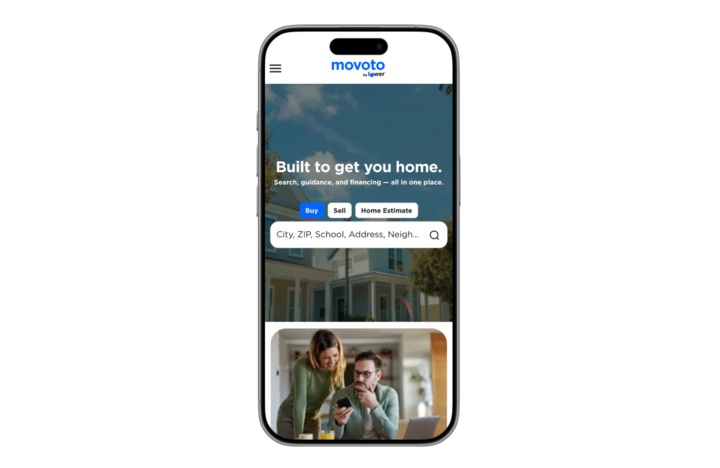
The fit is easiest to understand through affordability. A beautiful listing and a realistic budget ought to be part of the same conversation. Lower’s plan connects consumers and agents with its local loan officers earlier, giving the lending business another way to reach prospective customers.
That makes Lower an alternative to online lenders such as Rocket Mortgage and Better, as well as banks and local brokers. Its proposition combines digital convenience with local advice and an owned search portal. The value depends on how well those parts cooperate; putting them under one owner does not settle the question.
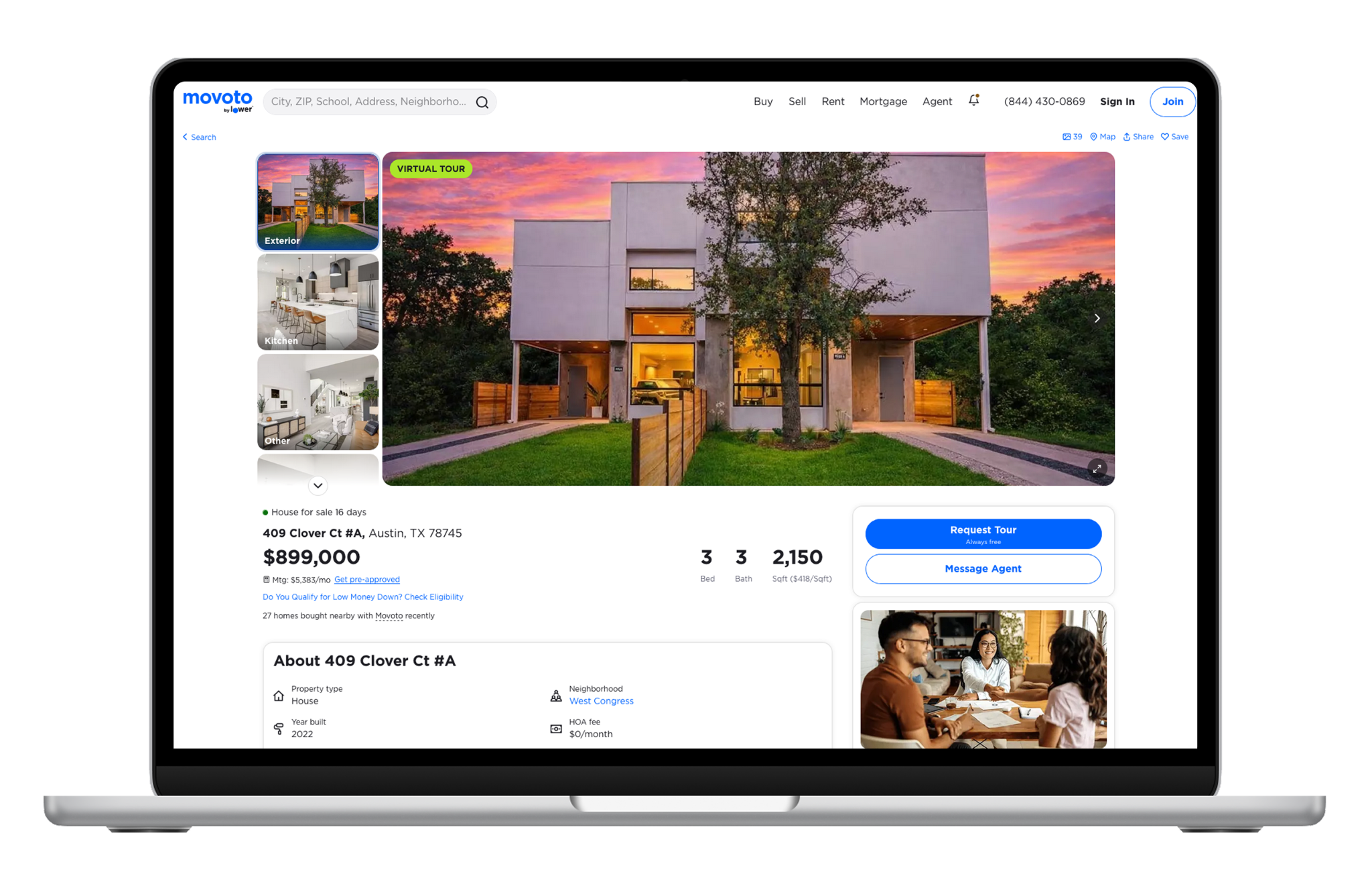
By April 2026, the connection had become more visible. Movoto introduced refreshed property pages, navigation, homeowner messages, and branding. Its home reports can also introduce refinancing and home equity opportunities. The relationship can continue after the buyer gets the keys.
There is a professional customer here, too. Movoto Advantage, announced in April 2026 after an earlier rollout, is a subscription program for selected solo agents. It limits membership by market and uses live introductions to buyers and sellers. Lower reported approximately 200 participating agents at the announcement. Subscriptions add a revenue stream alongside the core mortgage business.
The people problem
Software integration makes a tidy diagram. Human integration rarely does. Discussing Lower’s earlier Thrive Mortgage acquisition, Snyder admitted that he had expected the incoming team to worry, while underestimating anxiety among existing Lower employees.
“The hardest part has been the integration of people.”
Dan Snyder / Power House / January 2025
That is the detail another operator can use. Acquiring a company changes the expectations of people who never agreed to be acquired. Communication has to reach both groups. Lower’s stated approach put capable leaders from the acquired business into important roles; ownership history was not the only qualification.
A smaller first step
In August 2026, Lower launched ONE by Lower. Eligible buyers can contribute as little as 1% down, with a lender grant of up to 2%, capped at $4,500. Announced limits include household income at or below 80% of area median income and a maximum loan of $375,000. The grant does not cover closing costs.
That final distinction belongs in the story. A smoother process cannot remove every cash requirement, and owning a portal cannot make an unaffordable house affordable. Lower’s approach makes sense when qualified buyers need clearer guidance and fewer disconnected steps. The copyable idea is to follow the customer across those gaps. The difficult part is making the next conversation as useful as the first click.