A tooth is a very small place to discover a communication problem. Yet look at what Leixir Dental Laboratory Group is doing with Bite-Finder, a Swiss digital bite-analysis company. Their partnership targets the gap between the bite recorded in a dental practice and the restoration made in a laboratory. Somewhere in that journey, information needs checking. A digital file can travel perfectly and still describe an imperfect bite.
- Leixir makes restorations for private dentists and dental support organizations.
- Its offer includes scanner training, case tracking and technical support.
- Its recent moves target specific jobs: bite analysis, copy dentures and specialist full-arch work.
That is an unusually useful entry point into this company. Leixir operates a network of dental laboratories, combining domestic facilities with international design and manufacturing resources. Its products include crowns, bridges, dentures, implant restorations and surgical guides. But read beyond the product list and another business emerges: helping the person who orders the restoration work more effectively with the person who makes it.
01 The scanner needs a supporting cast
Digital dentistry sounds delightfully self-contained. Capture the mouth. Send the file. Make the tooth. Leixir’s services suggest how much work those three instructions conceal. The company offers intraoral-scanner acquisition programs and a proprietary training curriculum. Its clinical education includes hands-on workshops and webinars covering subjects as particular as edentulous scanning and sending single-unit crowns.
MyLabConnect handles another part of the exchange. Dentists can upload case information and digital impressions, then track the case’s progress. Leixir also offers training for the portal. Even the software that helps people communicate needs someone to explain how to use it. Anyone who has introduced a new system into a busy workplace may find that detail familiar.
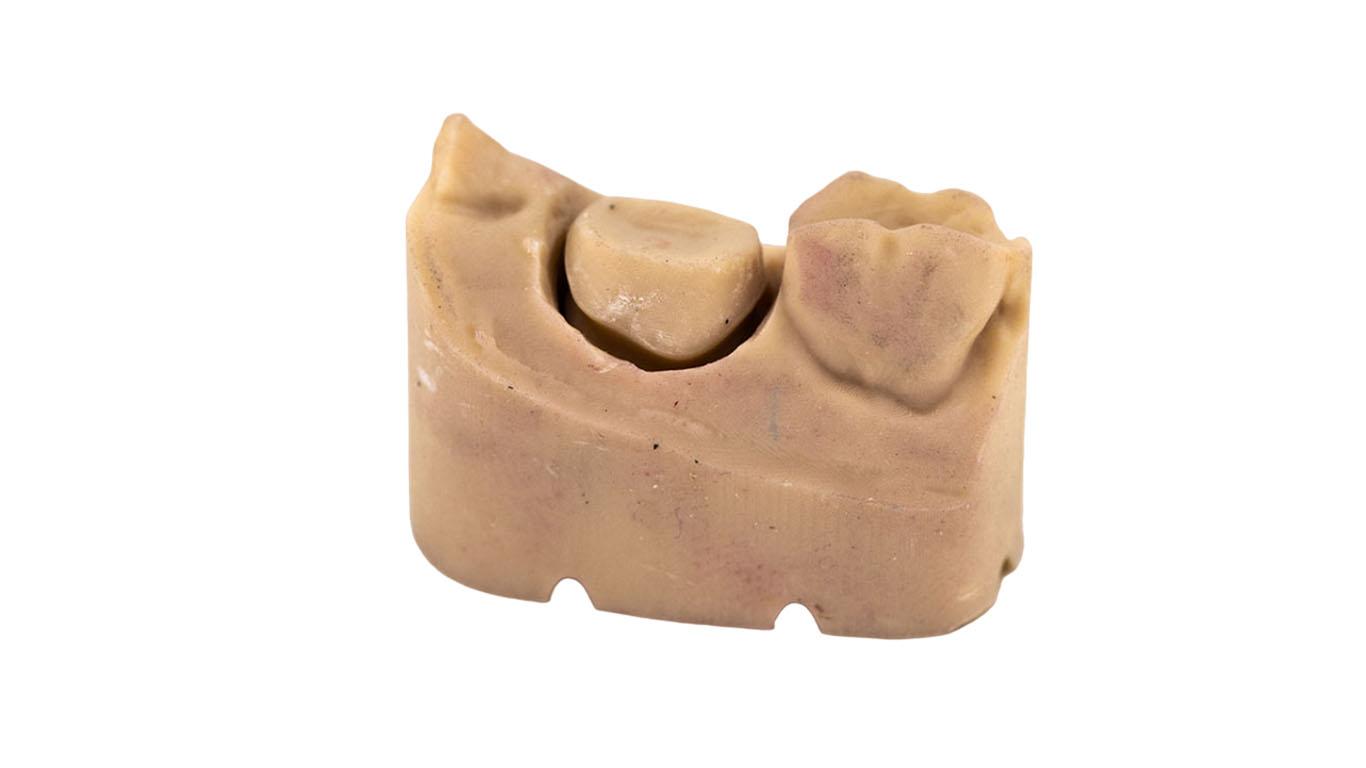
The business lesson is straightforward: support the steps surrounding the sale. A scanner creates demand for training; a restoration creates demand for communication. Leixir’s combination gives a practice reasons to keep working with the network beyond the next item on a laboratory prescription.
02 Ten dollars, with context
Consider a small, revealing price difference. A publicly posted 2025 international fee schedule for Riccobene Family Dentistry lists a full-contour zirconia crown at $58 for analog work and $48 for digital work. Those are customer-specific laboratory fees. They are neither a universal Leixir quote nor the price a patient pays.
Customer-specific lab fees; patient charges differ.
The same guide lists seven in-lab days for that crown and explicitly excludes shipping from turnaround. That distinction matters. A practice schedules people, while a lab schedules production. Their clocks must agree. The $10 difference makes the digital route tangible, but a sensible buyer would also examine delivery, materials, case requirements and support before comparing total cost.
Leixir earns its place in this market as an outsourced production and service partner. A dentist can commission physical work while drawing on digital support and education. Independent laboratories and other laboratory networks remain alternatives. Leixir’s case rests on the combination of capabilities and relationships, rather than a claim that competitors cannot make a zirconia crown.
03 Fix the handoff before the remake
The Bite-Finder agreement, announced in February 2026 after a January launch, brings bite-analysis technology into laboratory workflows. Its stated purpose is to identify occlusal problems earlier and reduce remakes. Emilie Gysi, Leixir’s senior director of digital adoption and integration, put the operational point plainly:
“By identifying occlusal issues earlier, our team can proactively address potential problems.”Emilie Gysi / Leixir / February 2026
The partnership identifies a failure point in the workflow. It offers a more useful explanation than simply adding another machine to the equipment list. The question becomes when a problem is noticed and who can act on it.
- 01 / CaptureClinical records and scans
- 02 / ReviewCase communication and planning
- 03 / FabricateDesign and laboratory production
- 04 / VerifyClinical fit and function
Carestream Dental addresses a different bottleneck. Its February 2026 partnership connects Leixir’s design and fabrication services with the Easy Digital Denture Solution. Practices can use existing Carestream CBCT systems for copy-denture records, reducing reliance on limited intraoral-scanner availability. The announcement says capture can take as little as 35 seconds. That describes the scan, not the entire treatment.
04 Scale, with room for specialists
There is a distribution story here, too. In May 2025, Heartland Dental renewed its strategic partnership with Leixir through 2029. The agreement describes support for Heartland’s network of more than 3,000 dentists. In July, Leixir announced a partnership covering North American Dental Group’s more than 200 affiliated practices and 400-plus providers. Those figures describe partner networks, rather than a count of active Leixir customers.
Large relationships sit alongside more focused operations. Knight Dental, founded in 1972, joined Leixir in 2014 and describes its role as the group’s primary domestic milling center. In May 2026, Leixir announced Signature Esthetic Studio at Knight, led by Barb Warner Wojdan, and SimplyARCH Studio at Precision Craft in Rhode Island. The former concentrates on esthetics; the latter on All-on-X and full-arch restorations.
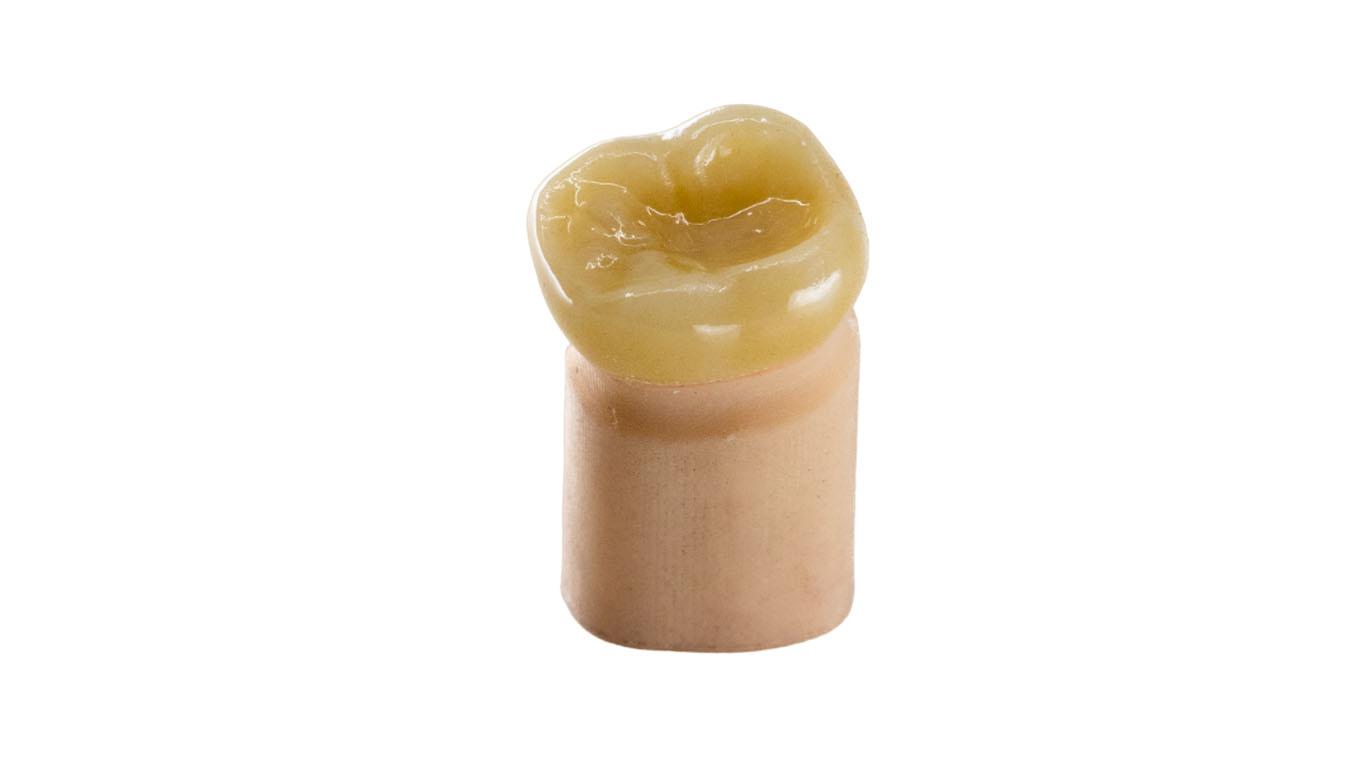
Leixir’s mosaic-tooth identity has a literal explanation: its branding agency says the pieces represent the laboratories coming together. Shared resources and specialist identities occupy the same picture. That arrangement also explains why a large network might create a narrowly focused studio.
05 The mouth gets the final vote
There is a useful corrective in Leixir’s digital denture checklist. It still asks clinicians to check retention, bite, tooth position and speech. The “sh,” “F” and “V” sounds get attention. However sophisticated the design process becomes, a patient must speak and function with the result. Digital production depends on careful clinical records and verification. The copyable idea is to build support around those requirements. The tooth may be small. The job includes everything needed to make it belong.