In May 2023, two students at Madison College received news that could alter the arithmetic of their futures. Honorine Wendyam Ilboudo and Todala Hayfa Kendrixe Mone had won Jack Kent Cooke Foundation transfer scholarships. Both were international students. Both belonged to Leading Change Africa. The award could provide up to $55,000 a year for three years, after other institutional aid. A college ambition had acquired something rather more useful than applause: a way to pay for it.
- Education access comes with preparation, mentoring, and support beyond admission.
- Leadership and entrepreneurship programs combine lessons with practical work.
- Rural development puts conservation farming inside the same mission.
That episode is a good place to begin understanding the organization. Its mission concerns young Africans becoming leaders, a phrase broad enough to fit almost any conference banner. Its actual work is more revealing. It deals with the steps between wanting an education and attending university, between having an idea and testing a business, between hearing about a farming method and practising it.
A founder who knew the route
Ousmane Kabré, a native of Burkina Faso, founded the nonprofit while studying at the Wisconsin School of Business. He earned accounting degrees there in 2015 and 2016, and worked in assurance at EY. The university later included him among its 2021 “8 to Watch” alumni and named him the inaugural recipient of its BOLD Award in 2025.
His background helps explain the appeal of the project, though it does not prove its effectiveness. An accountant learns to follow an amount through a system. Educational opportunity invites a similar habit: follow the student through each handoff. The scholarship announcement is visible. The preparation that made an application possible, and the support that makes attendance sustainable, are considerably less photogenic.
Leading Change’s homepage describes scholarships alongside mentorship, internships, professional networking, and support after acceptance into higher education. The breadth matters. A participant is allowed to need help with more than one problem. Educational access, in this reading, resembles a sequence of appointments rather than a single unlocked door.
The work before the good-news photograph
The undergraduate preparation track makes that sequence tangible. Its published criteria include a minimum BAC score of 14/20; its training covers English, public speaking, information technology, and entrepreneurial skills. It also offers help with scholarship applications. Sixteen top participants can receive up to $2,500 toward university tuition under the advertised sponsorship arrangement.
These are small, practical distinctions. English proficiency can determine which institutions an applicant can approach. Public speaking can change how confidently someone presents a project. Application guidance helps translate ability into a form an admissions office can assess. None of those activities is glamorous enough to replace a graduation photograph. Together, they make the photograph more plausible.
“Thanks to your support, I am able to continue my education”Josephine Segrado, Leading Change scholar
The difficulty appears in the graduate pilot described in the 2025 annual report. Some participants obtained admissions without securing funding. LCA says it continued exploring scholarship routes and university partnerships. The lesson is painfully ordinary: selection and affordability are separate decisions, often made by separate institutions. A successful application can still leave a student stranded.
Ten weeks, and a connection that works
The 2026 virtual Leadership Academy was advertised as a ten-week program, with English and French cohorts using YAM.edu. Self-paced study sits alongside live sessions, assignments, group projects, and mentorship. Selected in-person formats are offered in Burkina Faso and Mali. This lets delivery respond to geography without assuming that geography has ceased to matter.
For the virtual route, the practical conditions include an internet-enabled device and internet access. They are easy to overlook when praising cross-border education. A program can remove a journey while leaving the cost of participation intact. Time, connectivity, and the ability to finish assignments still decide who can take advantage of an invitation.
Program routes vary. This is a reading of the model, not a compulsory sequence.
A business plan, then a field
Its accelerator work extends the same attention to practical steps. LCAP covers entrepreneurship, stewardship, finance, and rural development. The published entrepreneurship offer emphasizes mentorship, networks, and access to resources. CLIMB USA supplies a separate route into stock-market education. These are different tools for participants facing different decisions about money and work.
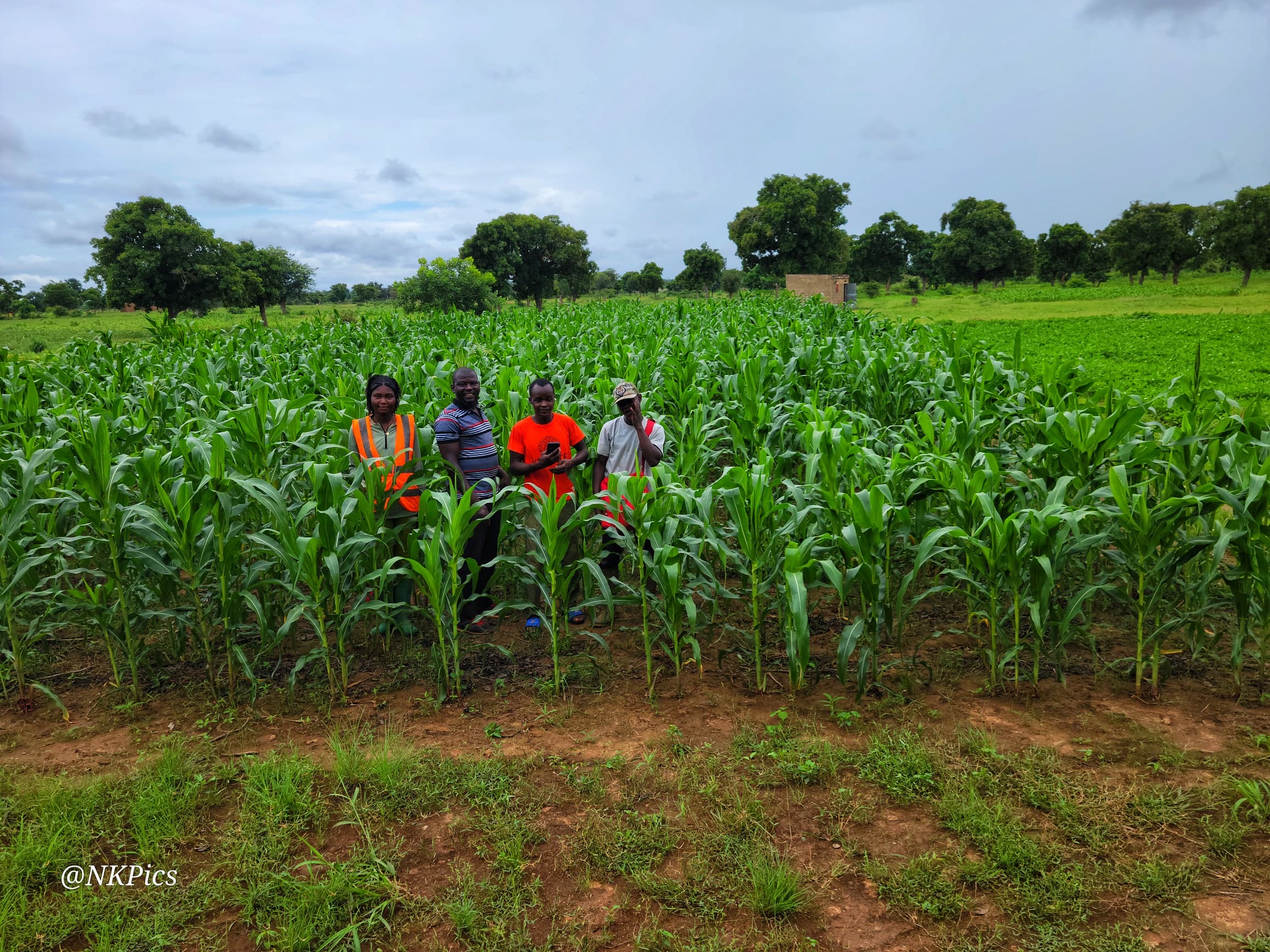
The agricultural program is the unexpected companion. It teaches conservation farming through Foundations for Farming, alongside financial literacy and agribusiness. Published modules include seven to ten days of intensive agricultural training and selected six-month paid internships. Field visits concern ventures in Burkina Faso and Mali. The classroom, here, has excellent ventilation.
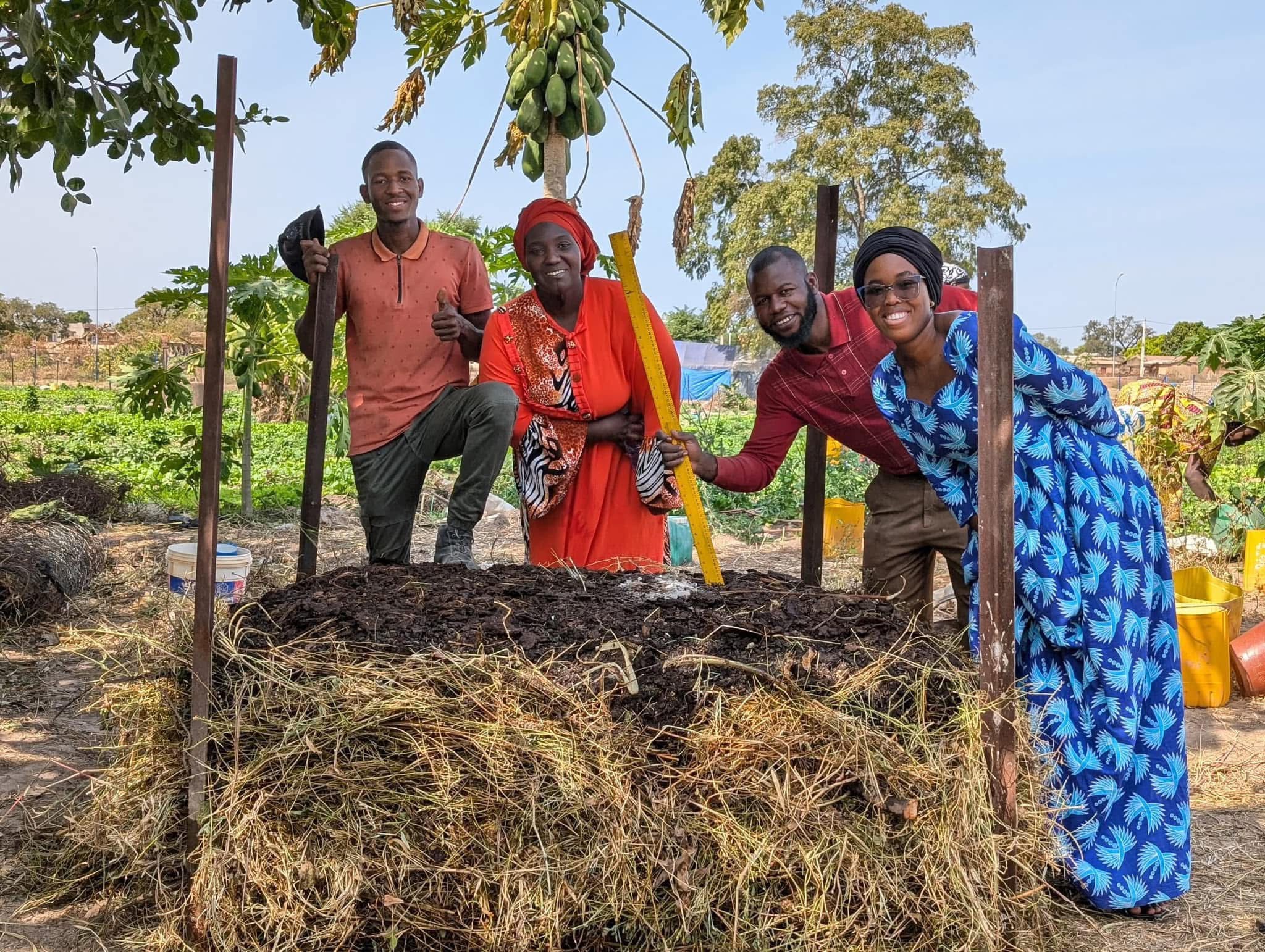
The pairing is sensible. If leadership means helping a community make better decisions, a farming practice belongs in the conversation as readily as a presentation skill. The test is what participants can use afterwards. Training alone does not establish higher yields or incomes; the useful claim is that the organization provides practical instruction and opportunities to apply it.
The arithmetic behind the ambition
Its 2024/2025 statement lists contribution revenue of 1,339,174 and expenses of 669,425; the table does not label the currency. It uses accrual accounting and attributes much of the surplus to a planned five-year individual-donor pledge. Those distinctions matter: recognized revenue and spendable cash are different measures.
This places LCA among donor-supported education and youth-development organizations, with a service mix spanning work usually divided among scholarship advisers, leadership programs, incubators, and agricultural trainers. Its distinguishing feature is that combination. Readers can borrow the design principle: identify the next obstacle before celebrating the present milestone, and arrange a person or resource to help with it.
There are ways to join that work. Applicants can review the requirements for the relevant cohort; volunteers can state their skills and availability through the recruitment process. Donors can support the organization’s programs. In 2023, three Cooke scholars interned in analytics, operations, and community engagement, showing that participation can also mean helping keep the machinery running.
The opportunity is attractive precisely because it is specific. Someone must review an application, mentor a participant, teach a lesson, or support a place at university. Leading Change Africa brings those tasks under one mission. The reader’s useful question is which of them they can do.