A yearbook needs an index. This is an easy detail to overlook if your idea of student media is a reporter chasing a scoop or an anchor facing a camera. Someone must also make sure the people in the book can be found. At California Baptist University, Angelos lists an index section editor among its student positions. There is a job for the person who remembers that a publication has to be useful after the excitement of making it has worn off.
That small job offers a way into Lancer Media Group. The organization brings together a newspaper, a magazine, a yearbook, broadcasting and public relations. Each makes a different promise. Tell me what happened. Help me understand someone. Remember that I was here. Make something my organization can use. Students get to practice keeping those promises in public.
LMG belongs to CBU’s campus life in Riverside, California. Its audience begins with the university community and extends into the surrounding area. For a reader, it is a collection of places to find stories. For a student, it is a set of production jobs with something tangible at the end. A published photograph is a particularly concise answer to the question of whether you have any experience.
One campus, several clocks
The Banner, established in 1952, operates on a biweekly print schedule. Its online counterpart carries newspaper stories alongside web-only work and multimedia. The division is practical: a newspaper issue provides a recurring appointment with readers, while a website gives a story somewhere to live beyond the stack of copies.
Angelos began in 1953. Its assignment is longer: record a year of university life, from athletics to cultural events. Even its name carries the job description. Angelos means “messenger” in Greek. The yearbook has to make choices about what a future reader will need, including the people and ordinary moments that can disappear beneath the big occasions.
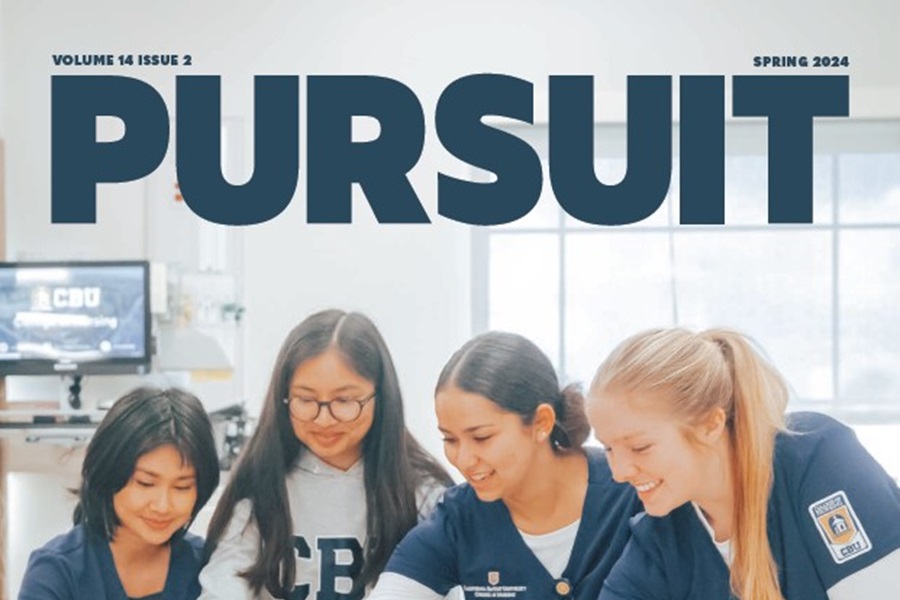
Pursuit arrived in 2010, giving the group a magazine for campus personalities, culture and more expansive storytelling. LMG describes a fall, winter and spring publishing rhythm. These are different editorial muscles: the newspaper’s recurring deadline, the magazine’s room for a subject, the yearbook’s obligation to the whole year. Housing them together lets an educational program offer several versions of what finishing a story requires.
LMG’s published schedule. Frequency, not circulation.
The camera makes the assignment public
CBU TV extends that range. Students create the broadcasts, write the scripts, film, anchor and edit them. News, sports and community features sit alongside Spanish-language reporting through Lancers Noticias. A student can enter through reporting or through the work that makes another reporter’s piece watchable.
There are concrete examples. Ivania Montes’s report on the Academy Museum opening earned first place for best news video at the 2022 California College Media Association awards. The program also presents Ignacio Dominguez’s Spanish-language report about a Riverside restaurant fire. One story follows a cultural opening; another covers local destruction. Both require an audience to understand something that happened beyond the classroom.
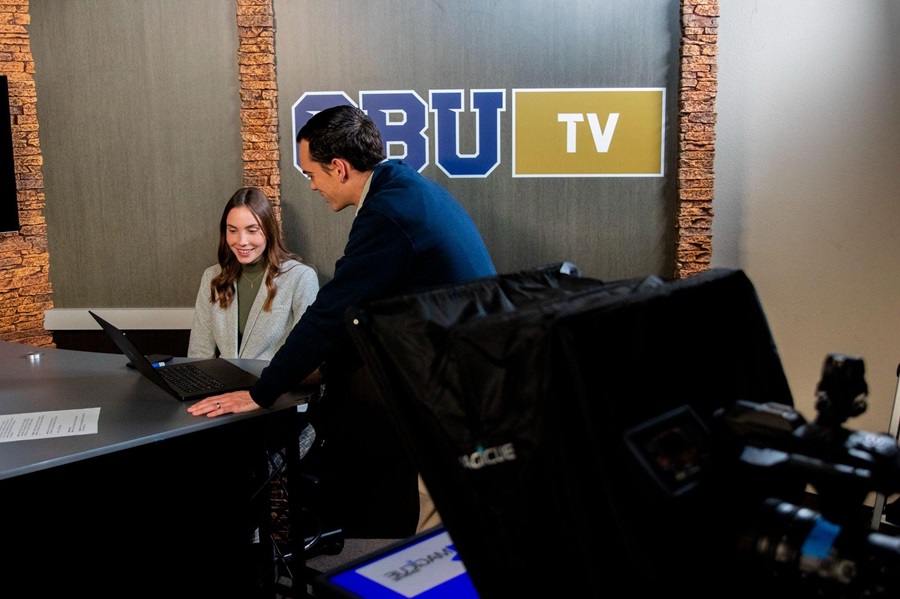
The university’s course catalog makes that connection explicit. Its CBU TV and Lancers Noticias practicums concern public-facing newscasts, with advanced work in packaging and production. That last stage matters. Collecting an interview and delivering a coherent broadcast are separate accomplishments. The second asks the student to decide what the viewer needs, in what order, and for how long.
A client down the hall
The public relations side introduces another kind of audience: someone who needs the work done. Lancer PR’s official remit is internal university clients. Public relations majors and minors produce campaigns and deliverables and provide social media management. A campus department becomes a place to practice responding to an actual organizational need.
LMG also lists marketing, advertising, events and distribution roles around its publications. These jobs deserve space in the story. A finished issue still needs readers; an advertising inquiry still needs a reply. The organization gives students ways to learn the business of putting media into circulation, as well as the craft of making it.
Its operating context is university-based media education, with advertising opportunities attached to the publications. Readers, students and PR clients receive different benefits from the same organization. Advertisers can approach the published advertising contact; university clients can explore the PR firm; prospective student contributors can use LMG’s interest forms. The useful first step is to choose the work you want to do.
Deliver it before the flight home
Some of the clearest examples of LMG’s approach take place away from campus. In its documented work with Lifeline Global Ministries at Louisiana State Penitentiary, student media teams covered programs involving incarcerated people and their families. Under faculty guidance, they produced text, photographs and video, then handed the work to the nonprofit before returning home.
That is a wonderfully specific finish line. Travel supplies the experience; delivery makes the experience useful to somebody else. Another documented project, Help Portrait, brought students into work with Riverside shelters and recovery facilities. They photographed participants, edited and printed the pictures, and returned them free of charge. For the recipient, a portrait might go to family or accompany a job application.
The transferable practice is modest: name the recipient and define what they will receive. An ambitious student project becomes easier to evaluate when there is a person waiting for the finished object. A photograph sitting on a student’s drive and a photograph delivered to its subject may be identical files. They have different jobs.
“All of the publications housed under LMG are sister publications”
LMG’s published philosophy
The people who stay when students move on
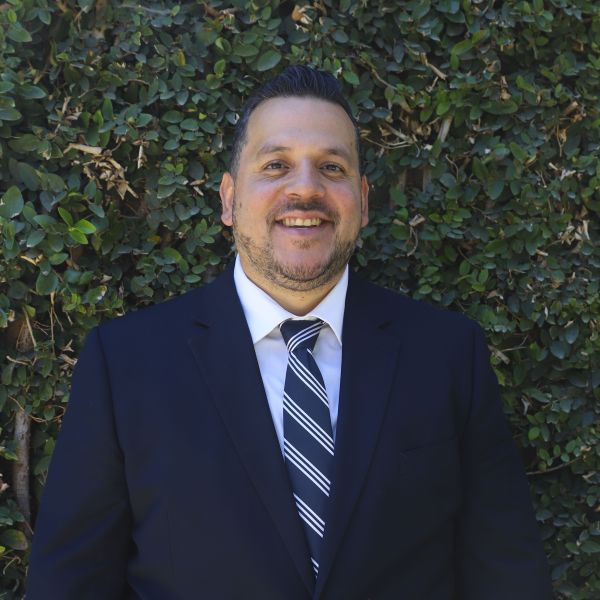
Student leadership sits beside professional guidance. Casey Maldonado is listed as director of student publications for print and online. Her CBU degrees span public relations and journalism, followed by public administration. Christopher Contreras, the broadcast director, joined CBU full-time in 2025 after television work primarily at FOX Sports and NFL Network. His biography lists six Emmy wins.
LMG’s shared offices, materials and advisers provide continuity around a changing student staff. Its stated philosophy links truthful reporting with Christian commitments. That institutional setting is part of the model: a campus supplies a defined community, access to advisers and opportunities to learn through service. Reproducing the publication list alone would leave out much of what supports the work.
Outside recognition offers a separate test of the output. Pursuit earned a Magazine Pacemaker in 2017. In the Baptist Communicators Association’s 2024 student competition, Pursuit placed first among magazines, The Banner first among newspapers and Angelos second among yearbooks. Those results cover three different editorial objects. They give a prospective contributor something more concrete to inspect than a promise about gaining experience.
By April 2026, The Banner’s website was carrying stories about campus transportation, local restaurants, fashion and sports technology. The ordinary mix is revealing. Students need a publication that notices the world they inhabit. The people making it need assignments substantial enough to learn from and small enough to finish. Somewhere in that arrangement is an index editor, making sure the work can still be found.
Read it. Watch it. Get involved.
Start with The Banner, browse the publication archive, or watch CBU TV. See Ivania Montes’s Academy Museum report and the featured Lancers Noticias report.