There is a moment in almost every pregnancy when the ordinary world turns into a filing cabinet. Is this food safe? Is that pain normal? Which car seat? What happens in week 23? A clinician can answer one class of question. A retailer can answer another, although perhaps with suspicious enthusiasm. Jones & Daughter built its business in the gap between them.
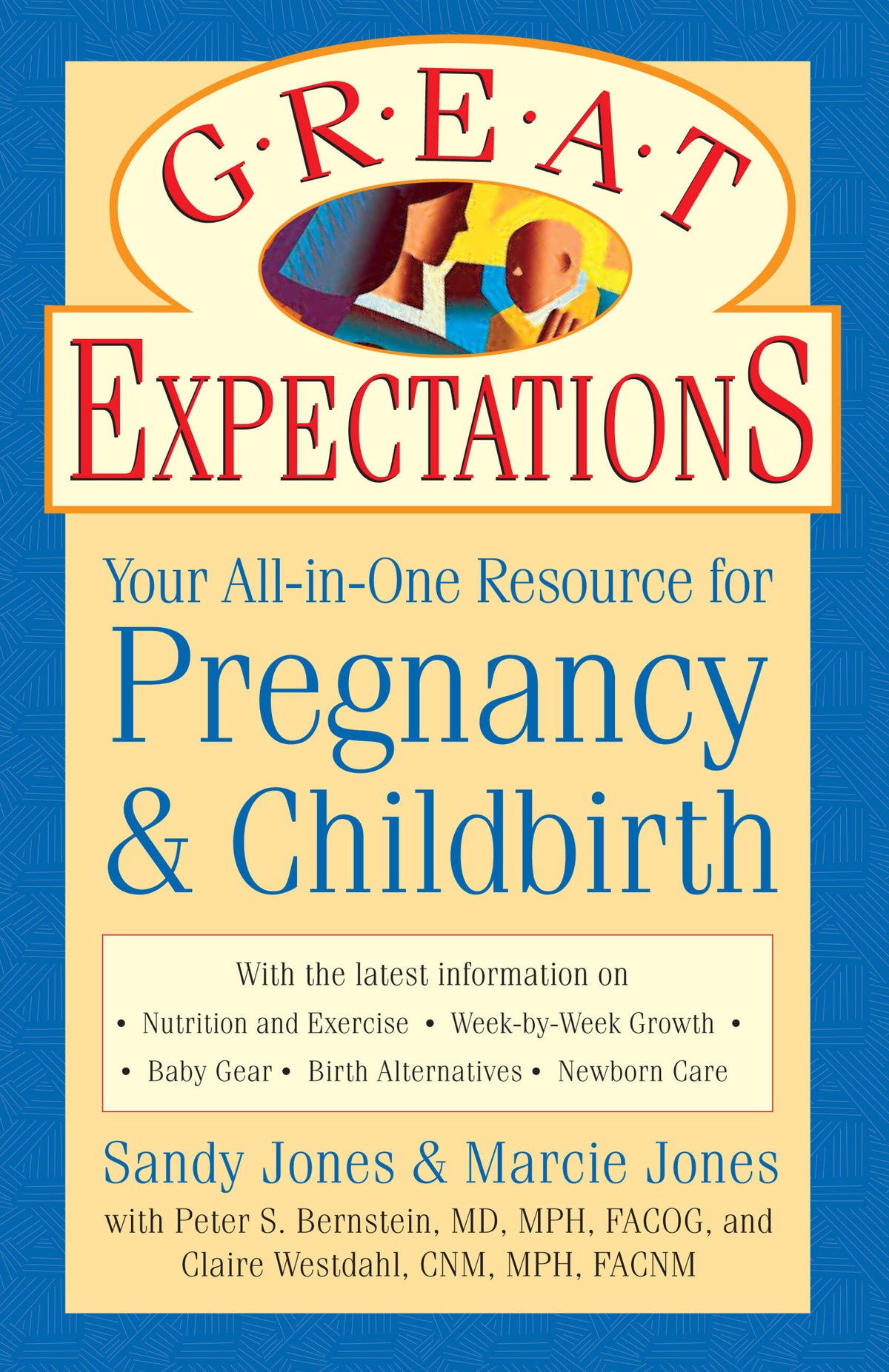
The name is unusually literal. Sandy Jones, a pregnancy and parenting writer with a master's degree in psychology and a long history of consumer reporting, worked with her daughter, Marcie Jones Brennan. Their flagship book, Great Expectations: Your All-in-One Resource for Pregnancy & Childbirth, became the clearest expression of the company: warm enough to sit on a bedside table, rigorous enough to include a dictionary of more than 200 medical terms, and large enough to make a doorstop feel underqualified.
The product was not information. It was relief.
Pregnancy information is abundant, but abundance is a poor substitute for sequence. A worried reader rarely wants “content.” She wants the next decision, in language she can parse, before the next appointment. Jones & Daughter organized the uncertainty: body changes by week, nutrition, exercise, medicines, tests, care providers, finances, labor interventions, recovery, feeding, sleep, diapers, cribs, car seats. It treated pregnancy less like a topic and more like a set of branching tasks.
That organization was the differentiator. The big alternatives - What to Expect, BabyCenter, Parents, The Bump - could offer larger audiences and more frequent publishing. Jones & Daughter offered the sensibility of a specialist desk. Sandy had written about babies since the 1970s and contributed to seven editions of a Consumer Reports baby-products guide. Her daughter made the point of view intergenerational, and the books paired quick lookup with the option to keep reading.
“She is an expert writer and an indefatigable researcher.”A publisher’s recommendation of Sandy Jones
One research engine, many shelves
The clever business move was reuse. The same body of knowledge could become a comprehensive pregnancy book, a journal and planner, a first-year guide, a sleep guide, a breastfeeding guide, a food guide, a toddler manual, talks for parents and professionals, consumer-product advice, and web material. This was not scale in the venture-capital sense. It was scale in the editorial sense: research once, reorganize carefully, update when evidence changes, and meet the reader at a different moment.
The shelf expands with the child
The public trail also ties Jones & Daughter to Happy Healthy Pregnancy, a web property within the Huggies orbit. That makes commercial sense. Huggies did not merely need to advertise diapers; it needed to be present months before anyone bought the first box. A pregnancy knowledge hub gave the brand a useful reason to enter the household early. For Jones & Daughter, branded publishing put specialist editorial work in front of a national consumer audience.
Then the expertise tried on clothes
In 2014, the partnership first used the name Sandy & Marcie's Great Expectations Maternity in commerce. The trademark covered dresses, tops, pants, leggings, hosiery, belly bands, sleepwear, lingerie, and bras. On paper, this was a neat adjacency. The people explaining pregnancy discomforts would now make products for pregnant bodies.
But adjacency is not the same as advantage. Publishing rewards judgment, synthesis, and voice. Apparel adds sourcing, fit, inventory, returns, sizing, seasonality, and working capital. The maternity trademark registered in 2016 and was cancelled in 2023. The books remained available. That is the most revealing piece of the company history: the durable asset was not the name printed on a garment. It was the researched system behind the name.
A humane theory of expertise
Sandy Jones's philosophy was not neutral in the bland sense. She argued that a crying baby should be answered, pushing against advice that treated crying as a habit to extinguish. The line behind that view is emotional but also commercial: parents buy guidance from people whose picture of the child resembles their own. Jones & Daughter's culture, as visible in the work, combined consumer skepticism with empathy for babies and respect for parents making different choices about birth and care.
The customers were therefore broader than book buyers. Expectant parents wanted a map. New parents wanted sleep. Childbirth educators, doulas, and lactation professionals wanted a reference they could recommend. Publishers wanted reliable authors. Baby-care companies wanted credible, useful material around their products. Jones & Daughter could serve all of them because each was buying a different format of the same expertise.
Copy this
Build one deep knowledge base before multiplying channels. A book, course, service, and site can share a research engine without becoming the same product.
Design retrieval
High-stakes readers do not browse leisurely. Organize around the moment of need: by week, decision, symptom, product, or next action.
Keep the voice
Expert material earns attention when it sounds like a person who respects the reader, not a brochure that has swallowed a glossary.
Test adjacency
A trusted name can travel only where the operating model follows. Editorial authority does not automatically solve inventory, fit, or returns.
The manual still has one job
Today, the original Happy Healthy Pregnancy domain no longer presents the old pregnancy property, and the maternity mark is gone. Yet the digital edition of Great Expectations remains listed for $7.99. A small price now carries decades of reporting, more than 1,000 topics, and the labor of arranging them into something another person can use.
There is a condition attached to that lesson. This model works when the expertise is real, the subject has recurring questions, and someone keeps the medical evidence and product guidance current. It weakens when “comprehensive” becomes a euphemism for unedited volume, or when an old answer survives simply because it already has a page number. In maternal health, yesterday's authority can become today's liability.
Still, the central idea holds. A niche company does not need to know everything. It needs to know which question arrives next - and to have the answer waiting in the right drawer. Jones & Daughter made a business out of labeling those drawers.