She spent twenty years inside the institutions that built the modern retirement system. Then she left to rebuild it for everyone they left out.
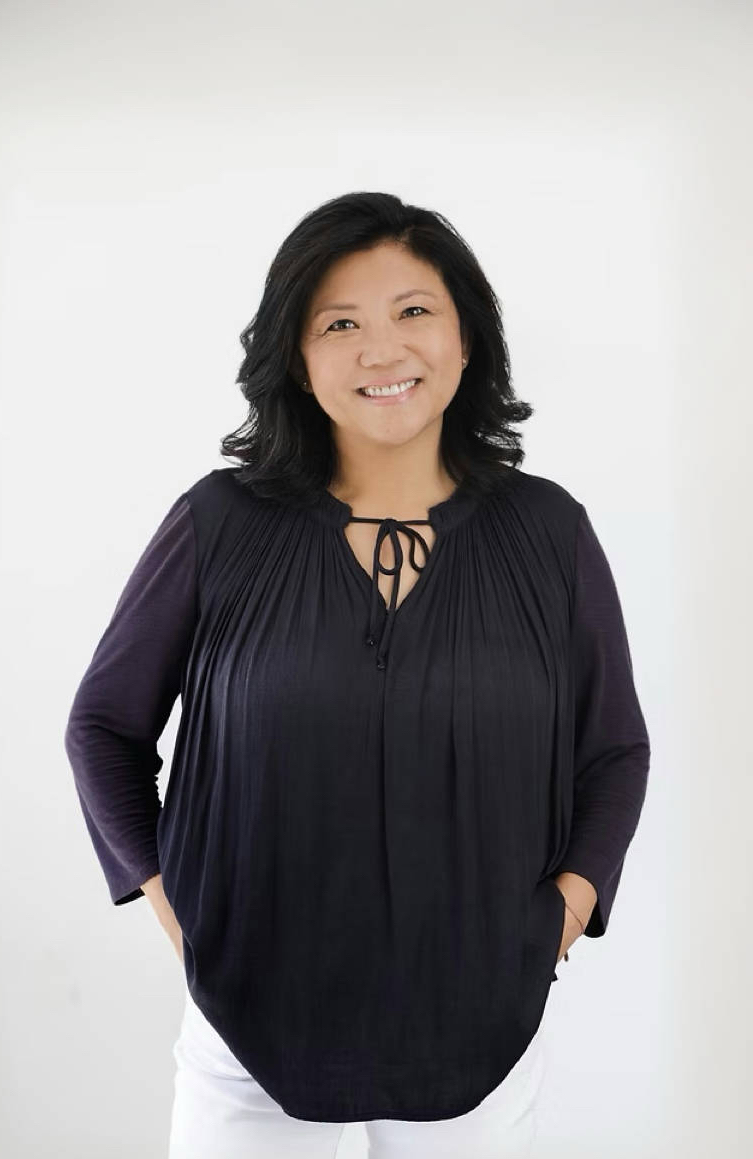
Jean Smart runs Penelope, a New York fintech that does something the retirement industry spent decades deciding wasn't worth doing: build affordable, fully-digital 401(k) plans for solopreneurs, micro-businesses, and the family-run shops that never made it onto Wall Street's spreadsheet. She founded it in 2021, brought it out of stealth in 2022, and named it after her daughter.
The pitch is deceptively small and quietly radical. Roughly 60 million Americans work at small businesses, and a huge share of them have never been offered a workplace retirement plan. The recordkeeping systems that power big-company 401(k)s were expensive, clunky, and built for scale that a five-person bakery could never reach. Penelope's answer was to stop retrofitting old machinery and write a new one - cloud-native, API-first, built from scratch rather than stitched together from legacy acquisitions.
What makes Smart credible isn't a hunch. It's a resume. She spent a decade at Charles Schwab in product marketing and sales, six years at TD Ameritrade running workplace product strategy, then senior roles at Citigroup and a managing-director seat at UBS. She knows exactly how the retirement machine is bolted together, because she helped run parts of it. The unusual move was deciding the machine should serve the people it had always priced out.
Every American deserves a clear path to financial security. I spent two decades inside institutions that built the modern retirement system. Penelope is how we rebuild it, for everyone else.
Her parents were Korean immigrants who ran small businesses in Los Angeles - a grocery store called Andy's Fine Food Market, a dry cleaner, a string of Japanese restaurants. They looked after their family. They looked after their employees. They did not, in the end, look after themselves. Retirement savings were the thing that never got done.
During the pandemic, Smart watched millions of small businesses struggle and saw her own parents in every one of them. The gap wasn't laziness or bad luck. It was access. No one had ever handed them a plan, or explained what a 401(k) even was. So she built the thing that should have existed, and gave it her daughter's name - a company designed to pass wealth down, carrying the name of the next generation forward.
Penelope's product convictions read like a rebuke of how the industry usually works. Independence first: it never sells directly to employers, protecting the independent advisors who own the client relationship. Built, not bought: every line of the recordkeeping platform is original code, not a legacy system in a new coat of paint. And SECURE 2.0-ready, aimed squarely at a small-business retirement market projected to grow sharply through the decade.
The company is called Penelope because that's her daughter's name. The logic is literal: build the thing you'd want to hand down, then hand it down.
Roughly 90% of Penelope's employees and partners are women, people of color, and immigrants. Not a diversity slide. The whole point of the company.
She cites Nina Simone's definition of freedom - "no fear, I mean no fear" - as the thing that got her out of a corner office and into a startup.
"The best decision I have made has also been the hardest." She has said she doubted she could succeed outside corporate America. She did it anyway.
My hope is that more women, regardless of their stage in their profession, break out on their own.
Reach 100,000 companies and more than one million American workers earning under $100k - and rebuild the retirement recordkeeping layer so financial inclusion reaches every socioeconomic level. The measure of success isn't assets under management. It's whether the lowest-paid worker at the smallest company gets a real shot at retiring with something.