On August 1, 1992, the Isle of Capri opened in Biloxi, Mississippi, with two riverboats, the Diamond Lady and the Emerald Lady. They had come from Iowa. That is a wonderfully practical detail. A new gambling market was opening, and Bernard Goldstein and his colleagues already had boats. The company’s first advantage was something it could tow into position.
The boats made the beginning memorable. The less photogenic work that followed made Isle valuable: finding regional customers, giving them a comfortable place to spend an evening, and persuading them to return. In May 2017, Eldorado Resorts completed its acquisition of the company. The story connects a dock in Biloxi to the consolidation of American gambling.
- Open quickly with assets already on hand.
- Build the night out around regional customers.
- Replace the boat when convenience matters more.
The casino within driving distance
Isle developed, owned and operated casinos with restaurants, hotels and entertainment in regional American markets. Think of a nearby night out or a short stay. Its two brands made that geography explicit. Isle properties generally served larger markets with more amenities; Lady Luck properties addressed smaller markets and a more local audience.
A nearby casino also had to compete for an ordinary entertainment budget. Dinner, a room and a show could extend a visit, but the customer still had alternatives outside gambling. That made the surrounding hospitality part of the proposition, rather than decoration around the slot machines.
By fiscal 2016, the portfolio comprised 14 owned or operated gaming facilities across seven states. Visitors could play slots and table games, eat dinner, book rooms or attend events. Pompano Beach added harness racing. The customer problem was ordinary and useful: how to put several kinds of leisure in one accessible place.
Local rivals mattered more than a glamorous address in Las Vegas. In Bettendorf, the competitive set included the Quad Cities’ other casinos, including Rhythm City. Gaming licenses and locations provided barriers to entry. Restaurants, room quality, promotions and service gave customers reasons to choose one licensed floor over another.
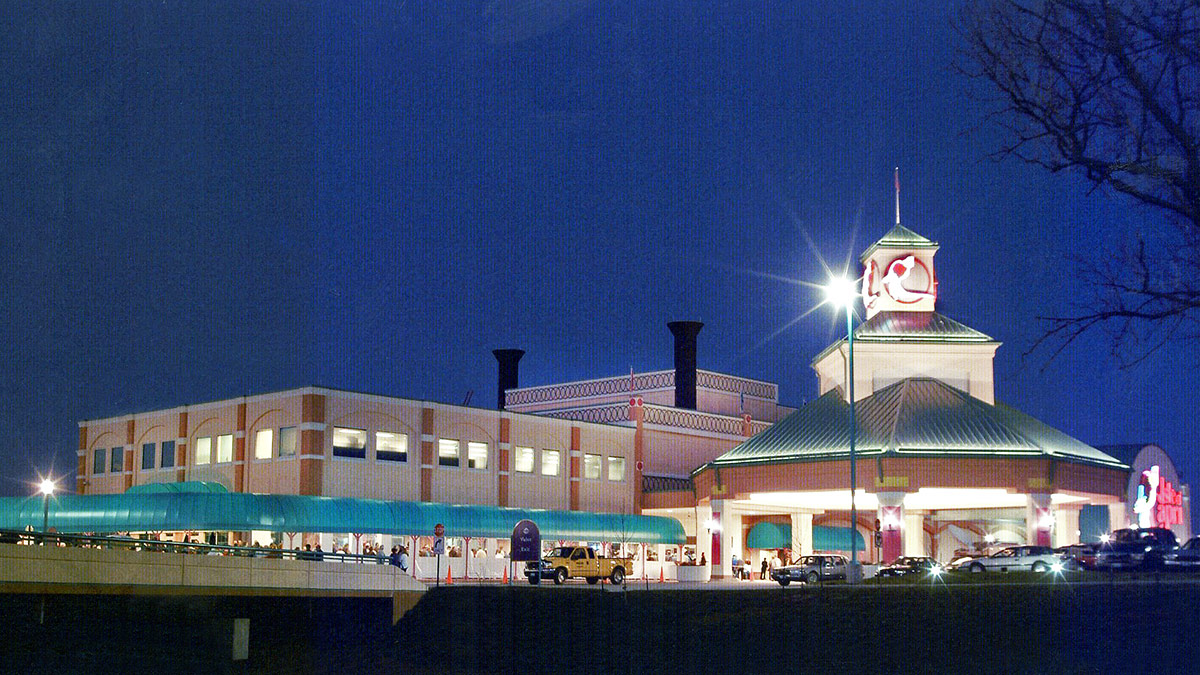
A polo shirt is a business decision
Former president John Gallaway helped give this business a recognizable manner. Accounts of his tenure describe executives in polo shirts, employees wearing nametags and a friendlier casino atmosphere. The operating philosophy became known as Isle Style. Hospitality experience shaped how the gambling was presented.
That friendliness had a commercial purpose. Gaming supplied the core revenue; hotels and food helped make the visit attractive. Slots produced approximately 90% of casino revenue in fiscal 2016. The five-tier Fan Club rewarded play with benefits, including same-day rewards. By fiscal 2015, the company had moved its remaining legacy loyalty programs onto that common system.
The underlying expertise was a combination of regulated casino operations, hospitality and customer marketing. A room or meal could encourage another visit, but complimentary services still had a cost. The operator had to judge whether a promotion earned more than it gave away. Friendly service and financial discipline had to share the same floor.
“The customers like one level”Virginia McDowell · Radio Iowa · 2015
Then the boat became the inconvenience
The company eventually spent money escaping the format that had helped establish it. In Bettendorf, a $60 million land-based casino opened on June 24, 2016, between two existing hotel towers. The project brought a single-level gaming floor, restaurants, a new entrance and a consolidated hotel lobby. Approximately 1,000 people arrived in its first few hours.
Virginia McDowell, then president and chief executive, had explained the customer logic at groundbreaking: “The customers like one level”. It is an unromantic sentence, and a revealing one. The original boat solved an opening-day problem. A single floor solved the visitor’s problem of getting around.
Nothing in that decision required customers to stop enjoying gambling. Their expectations of convenience had changed. The company could preserve the activity while replacing its container. Later in 2016, the former Bettendorf casino boat left for conversion into the American Duchess cruise vessel. Even the discarded format found another customer.
hotel tower
One casino level
Lobby + dining
hotel tower
Buying the map
Eldorado announced the acquisition in September 2016 at approximately $1.7 billion, including $929 million of Isle debt. Shareholders could elect cash or stock, subject to proration. At closing, they received $552 million in cash and approximately 28.5 million newly issued Eldorado shares. Eldorado’s subsequent accounting recorded total purchase consideration of about $1.93 billion, including debt retirement and equity awards.
For the buyer, Isle delivered geographic reach. The closing announcement described 12 additions to an expanded operating portfolio of 19 properties in ten states, reflecting the announced divestitures. Eldorado projected approximately $35 million in cost savings over the following four quarters. Those savings were a forecast, rather than cash already collected.
The terms also explain why Isle’s board supported the deal. The announced $23-per-share cash option represented roughly a 36% premium to the previous trading day’s closing price, while stock consideration offered participation in the combined business. The documented rationale was shareholder value and operating scale.
Announcement and closing accounting use different dates and components.
The river still had a vote
The vulnerabilities were physical as well as financial. Hurricane Katrina destroyed the original Biloxi property’s casino barge in 2005. Flooding later closed five Isle properties for varying periods in fiscal 2012. Regional diversification spread exposure, but it could not make a closed building earn money.
Competition could also reach the income statement quickly. Isle reported a $7 million decline in Lake Charles casino revenue in fiscal 2016 after a full year of new competition. A planned $134.5 million sale of that property subsequently failed: the buyer did not secure the required gaming approvals before the extended deadline, and Eldorado terminated the agreement in November 2017.
The lesson readers can borrow is to distinguish the customer’s purpose from the machinery used to deliver it. Keep the useful experience, remove the awkward trip through it, and measure the cost of winning repeat business. That approach needs sufficient demand, investment capacity and permission to operate. Convenience cannot compensate indefinitely for an oversupplied market, inaccessible premises or an approval that never arrives.
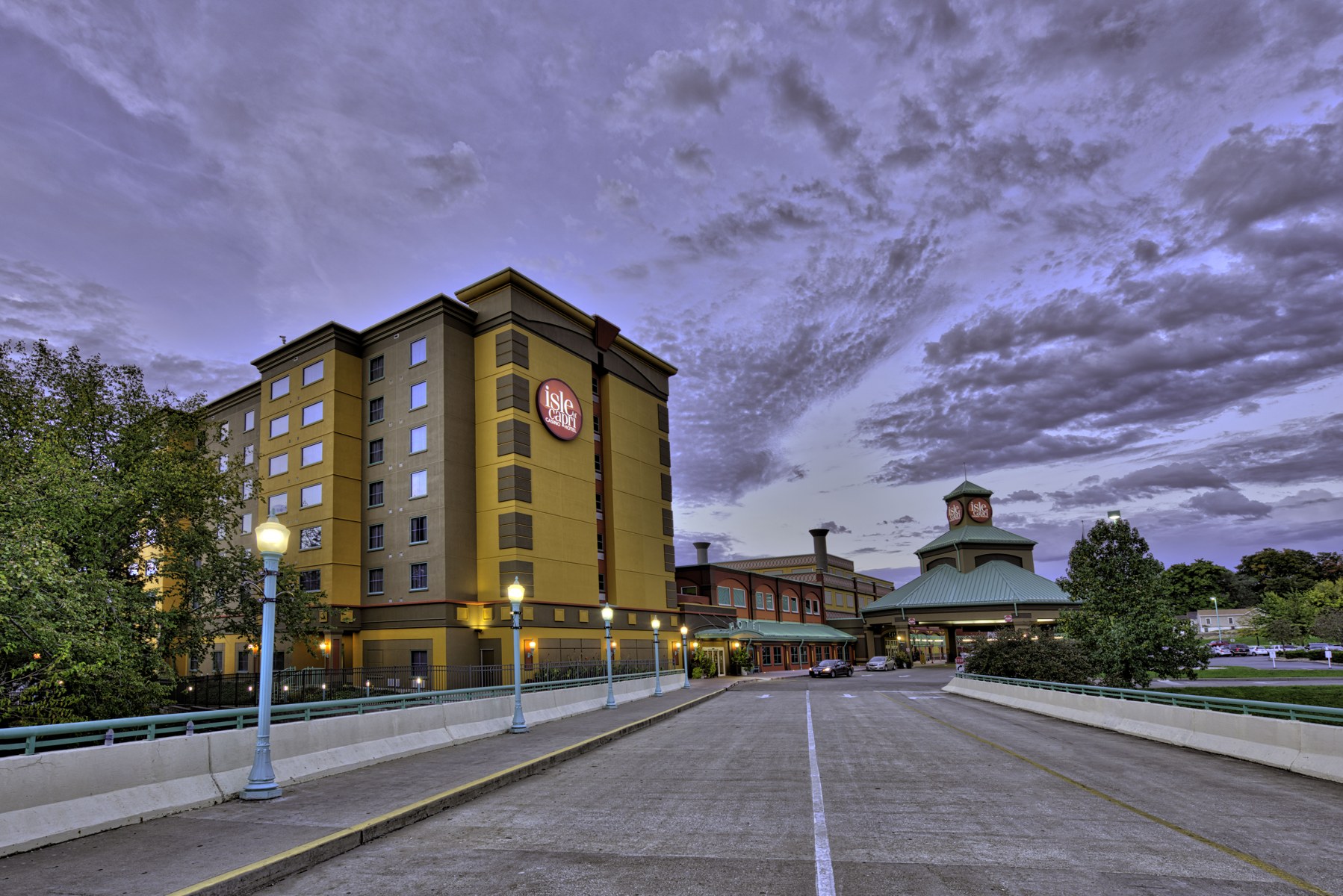
The name on the building survives
In July 2020, Eldorado completed its Caesars acquisition and took the Caesars Entertainment name. Isle ceased to be an independent public company in 2017, but the property identity endured. Bettendorf remains listed within Caesars’ network, with gaming, lodging, dining, meeting space and a marina. For a visitor, the practical next step is to choose a specific property. For a business reader, the interesting journey runs from portable riverboats to places people wanted to revisit.
Follow the next visit
Visit Bettendorf · Caesars website · Company news
Legacy corporate accounts: Isle LinkedIn · Eldorado X · Eldorado Facebook. Property account: Bettendorf Instagram.