Consider the small absurdity of a betting shop between races. The screens are ready. The customers may be ready. The horses, quite unreasonably, are following their own timetable. Inspired Entertainment has made a business out of removing that inconvenience. Its virtual athletes can be summoned on schedule, without transporting a single horse, hiring a referee or negotiating with the weather.
- Inspired supplies licensed operators with virtual sport, casino content and gaming equipment.
- The virtual results come from a random number generator; the pictures turn them into sporting events.
- Its digital ambitions sit alongside a substantial retail business, acquisitions and a costly accounting correction.
The question is less exotic than the product: what can an operator offer while it waits? Inspired’s answer is a catalogue of events and games that travels through other companies’ shops, websites and phones. The operator owns the relationship with the bettor. Inspired supplies a piece of the experience. That division of labour explains why a company whose name sounds like a film studio spends so much time on gaming terminals and software integrations.
The match that never needs a team bus
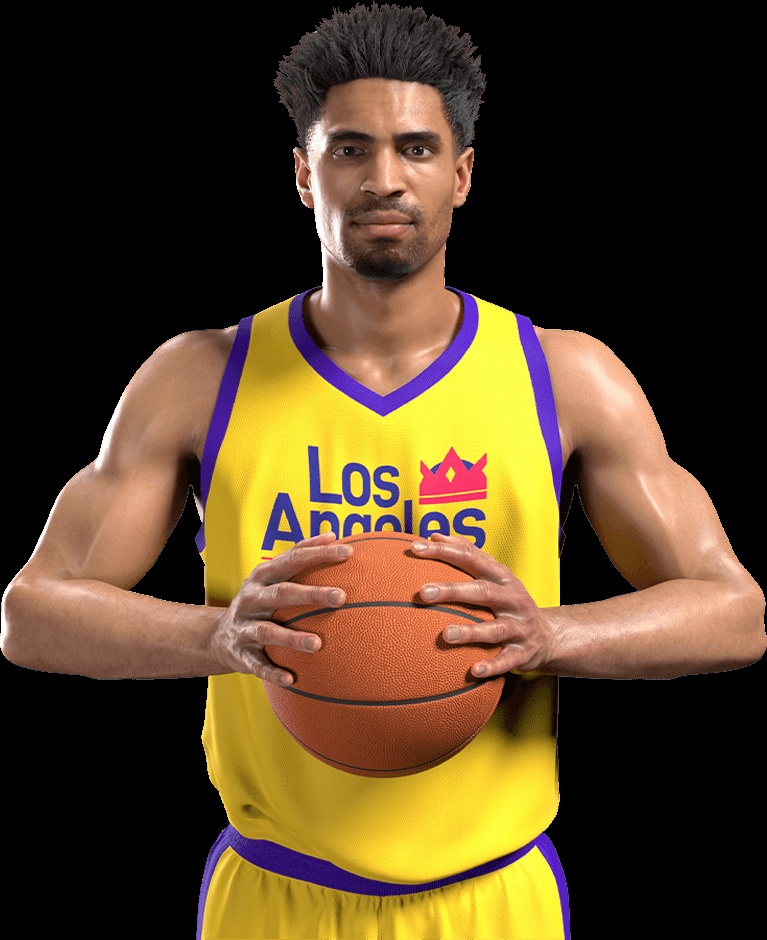
Take Virtual Basketball. Inspired describes motion capture, proprietary software, different regional team pools and events that can start every four minutes. Those details do two jobs. Familiar sporting movements make the screen intelligible; a short interval makes the product schedulable. A full basketball season is an unruly thing. A catalogue of four-minute events is something an operator can place on a timetable.
The outcome has a different origin from the animation. Inspired’s FAQ says software calculates probabilities and betting prices, then a random number generator selects a result. Watching a convincing athlete does not turn the wager into a test of basketball knowledge. This is a gambling product presented through the grammar of sport: teams, odds, a contest and a finish.
- 01Price the possibilitiesSoftware calculates probabilities and betting prices.
- 02Select the resultA random number generator chooses the outcome.
- 03Show the contestThe sporting presentation gives the wager a visible finish.
The commercial Virtual Grand National compresses its steeplechase into three and a half minutes, with forty runners and an officially licensed recreation of Aintree. The delight is in the disproportion: an elaborate sporting setting, delivered in less time than it takes to make a leisurely cup of tea. Production craft meets an operator’s need for a repeatable unit.
In 2020, the distinction briefly escaped the betting shop. After the real Grand National was cancelled, a virtual race attracted an estimated 4.8 million viewers and generated £2.6 million for NHS charities through bookmaker donations. That audience was a particular pandemic moment, rather than a forecast of everyday demand. It showed what happens when a substitute becomes the event people can actually watch.
“The season never ends.”Inspired’s Virtual Sports slogan
The buyer is behind the counter
Inspired’s customers include licensed bookmakers, casinos and lotteries. Its retail equipment also appears in betting shops, pubs and gaming halls. Across those settings, a buyer needs content that fits an existing operation: the right channel, language, interface and regulatory permissions. An attractive animation is useful. A deployable product is what gets purchased.
V-Play Plug & Play addresses that second task. Delivered through the Virgo remote gaming server, it includes a bet management tool and configurable branding. Inspired says it requires no sportsbook integration or user-experience development, and that the same integration opens access to slots, table games and instant-win content. Operators can choose channels and localize the interface; some bespoke work carries an additional fee.
That is a revealing distinction between selling a game and selling a usable service. The buyer must fit it into a business already running. A supplier can reduce that burden by packaging the surrounding machinery. For an operator considering Inspired, the practical conversation concerns integration, content selection and commercial terms, as much as what the player sees.
The company’s contracts commonly tie its income to gaming revenue, supplemented in Virtual Sports by license and hosting fees. Hardware brings sales or lease income and service obligations. Distribution through aggregators extends reach, though it also means sharing access with intermediaries. The economics depend on operators continuing to carry the content and customers continuing to play it.
A dealer who has already finished the shift
Hybrid Dealer applies a related idea to the casino table. Inspired combines pre-recorded dealer footage, computer-generated environments and RNG-based outcomes. A person appears on screen, but the format does not require a live broadcast of that person for every round. The company presents this as a way to avoid the operating complexity and expense of a continuously staffed live studio.
The useful distinction is operational. Recording a performance makes it reusable. Random outcomes keep the game variable. Customizable surroundings let operators adapt the presentation. A customer who specifically wants real-time conversation with a live dealer is buying a different experience; recorded footage cannot provide that interaction. The product fits when availability and a controlled presentation matter more to the buyer than live contact.
Buying the floor, then editing the business
Inspired’s operating roots run to 2002, when Luke Alvarez founded Inspired Gaming Group. Its present public-company identity arrived in December 2016 through a combination with Hydra Industries Acquisition Corp., the acquisition vehicle founded by Lorne Weil. The announced valuation was £200 million including debt, approximately $264 million at the exchange rate then used. Hydra became Inspired Entertainment. Treating Hydra as a separate parent today confuses the company’s ancestry with its ownership.
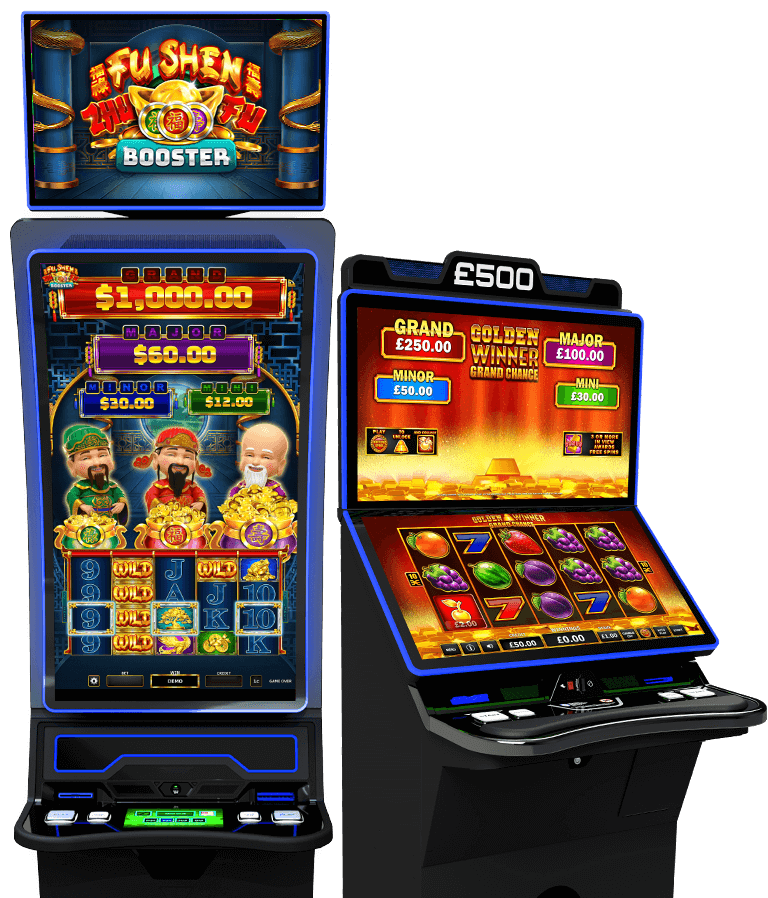
In October 2019, Inspired acquired Novomatic UK’s Gaming Technology Group for $120 million. That was a concrete commitment to equipment and retail operations. Digital content may travel lightly, but supplying physical venues entails cabinets, installation and service. Inspired’s cabinet catalogue, including Vantage, Valor and Prismatic models, is a reminder that this business has a footprint on the floor.
By November 2025, the company was pruning that footprint. It sold its UK holiday parks business and associated leisure assets for £18.6 million, while retaining recurring game and content-platform support. Management described a move toward a more digital, higher-margin business. The interesting choice was what it kept: a continuing content relationship after selling the operation around it.
Its reporting followed the change. From the first quarter of 2026, Gaming and Leisure were combined into Retail Solutions, alongside Virtual Sports and Interactive. The four-segment description still found in older company summaries therefore belongs to an earlier reporting structure.
The software bill that would not behave
There is a less flattering part of the software story. In November 2023, Inspired disclosed accounting errors concerning when software development costs could be capitalized and which costs qualified. It said financial statements needed restatement and identified material weaknesses in financial reporting controls. The company said it did not expect the changes to affect its cash position or overall business plan.
That distinction deserves care. Capitalization changes when costs appear in the accounts; it does not make the underlying work free. Inspired’s 2023 results subsequently included $5 million in group restatement costs. A business selling sophisticated software still needs dependable processes for accounting for the people and projects that make it.
Adjusted EBITDA is a non-GAAP measure. Its margin is not the net profit margin.
The latest quarterly results make another distinction visible. For the second quarter of 2026, Inspired reported a 45% adjusted EBITDA margin and $0.2 million net income. The company described the adjusted margin as a quarterly record excluding VAT-rebate periods. Both figures can be true. The adjustment between them is precisely why a handsome operating statistic should be read alongside the accounting result.
Halloween arrives on several screens
Inspired’s September 2026 announcements show how it intends to keep the catalogue moving. Werewolf it Up! reached UK retail following online performance. Its G2E preview featured the Kora cabinet platform and Cash Bank mechanics across Interactive, Retail and Hybrid Dealer. The company was also preparing seasonal content for Halloween, Thanksgiving and the festive period.
These are variations on a recognizable operating idea: keep a mechanic players understand, adapt the theme and carry it into another channel. The familiar element reduces what must be explained. The seasonal treatment gives an operator a reason to refresh the display. A wolf is also a convenient employee for this purpose; Halloween rarely finds it underdressed.
What to steal from the schedule
Inspired’s position is the combination of virtual sport, casino content, equipment and distribution. Virtual sports suppliers such as Kiron Interactive and Sportradar’s Betradar offer alternatives in that part of the market. Inspired’s own annual report warns of price competition and larger businesses controlling access points. A supplier may have to distribute through another industry participant to reach the operator it wants.
The transferable lesson is to study the customer’s empty interval and the work required to fill it. Inspired packages a scheduled experience, then supplies the systems that make it practical to offer. The same question can sharpen an ordinary service business: when is the customer ready, but the thing they need unavailable?
The conditions matter. Content needs lawful distribution, an operator willing to integrate it and players willing to choose it. A continuous schedule does not guarantee demand, and a recurring contract does not remove competition. Inspired’s story is most useful at that modest scale: notice the gap, build something repeatable, and take the unglamorous delivery work seriously. The horses may be virtual. The work around them is quite real.