At 11:30 on a November morning in 1997, Pittsburgh began selling $70 million of municipal bonds over the internet. Mayor Tom Murphy was nervous. According to the contemporary newspaper account, he paced between his office and the conference room, where computers and video screens had been assembled. Municipal finance was about to discover the peculiar discomfort of watching people change their minds in public.
The software was MuniAuction, developed by the business that became Grant Street Group. Bidders could see competing offers and bid again. In a market accustomed to a single bid by phone or fax, the second chance was the invention that mattered. The internet supplied the plumbing; the auction rules supplied the disturbance.
- Open the auction: let underwriters respond to competition.
- Follow the customer: Florida tax collectors asked for better revenue software.
- Connect the work: billing, payments, auctions, and reporting share a workflow.
- Read the contract: major system replacements take years and carry substantial costs.
The auction that allowed a second thought
Co-founders Myles Harrington and Dan Veres came from finance. Harrington had worked as an investment banker; Veres had worked at Wheat First Butcher Singer. They understood the rituals they were proposing to disturb. Before the Pittsburgh sale, Harrington told The Bond Buyer that issuers would determine whether the approach caught on.
“This product is going to be driven by the issuers, not by the broker-dealers out of New York.”Myles Harrington, June 1997
That distinction mattered. The issuer wanted competitive borrowing costs. The intermediary had a living to protect. An Associated Press account recorded one winning broker’s concern that publishing his purchase price might encourage customers to bargain harder. Transparency had acquired an inconvenient practical consequence: someone could use it.
Today MuniAuction offers both open auctions, where bidders receive their ranking and can improve their offers, and closed auctions, where they submit a rate without seeing their rank. Grant Street also operates auctions for certificates of deposit and guaranteed investment contracts. The product is a set of financial transaction rules, supported by software and hosting, rather than a generic shopping marketplace.
A trillion dollars, and an awkward margin
By November 2000, MuniAuction announced that cumulative auction volume had passed $1 trillion. It was an impressive number with a less impressive companion: the same announcement described fixed-income auction profit margins as thin. The company was moving into custom software development and application hosting for financial institutions, and preparing to change its name.
This is the early business constraint worth remembering. A great deal of money could pass through the system without much of it becoming the operator’s income. Transaction volume measures activity. It does not tell you what remains after the work is done. Grant Street’s diversification was already under way before tax software became its next substantial chapter.
Cumulative auction volume reported by the company. This measures instruments auctioned, not Grant Street Group’s revenue.
In 2004, Miami-Dade and three other Florida counties used its LienAuction service to sell more than 60,000 tax certificates. Florida legislation had permitted internet tax certificate sales. A new channel needed legal permission as well as willing customers. An auction platform cannot write its own jurisdiction into existence.
The tax collectors write the sequel
The next request came from people already close to the business. Tax collectors in Osceola, Okaloosa, and St. Lucie counties were dealing with aging, fragmented systems. Their leadership, together with Lake County’s tax collector, approached Grant Street about a better way to run the work. TaxSys first went live on September 5, 2006.
It connected billing, collections, cashiering, distributions, reporting, and taxpayer service. By its twentieth anniversary in September 2026, the company reported 35 counties using it across Florida and California. The interesting product-development decision was to enter the work surrounding an existing customer relationship. The tax certificate auction was one episode in a much longer administrative story.
and bill
payment
and distribute
Delinquent balances branch into lien or deed workflows. Simplified illustration of the suite’s functions.
TaxSys is fully hosted. Its remit includes the unphotogenic duties of managing tax records and getting collections to the right agencies. LienHub handles tax lien sales, certificate management, transfers, and deed applications. DeedAuction supports sales of tax-defaulted property deeds. The distinction between a certificate and a property deed is consequential; the products serve different stages and transactions.
Alachua County adopted the integrated suite in 2012. A company-published case study says its chief deputy estimated at least $2.5 million in net salary savings over 12 years, accounting for software costs. Staffing changes came through attrition and reassignment, without layoffs. The account describes fewer reconciliations across vendors and more routine transactions moving online.
That is a useful claim precisely because it has boundaries: one office, a long period, a stated mechanism, and an estimate. It suggests a question for another buyer: how much staff time currently goes into making separate systems agree?
The payment is only the beginning
PaymentExpress, launched in 2009, gives agencies electronic payment processing. Residents can use cards, e-checks, and supported digital wallets; staff get connected reporting and integrations. RenewExpress moves vehicle and vessel renewals online. EscrowExpress handles bulk escrow payments, while TitleExpress connects title searches to the broader workflow.
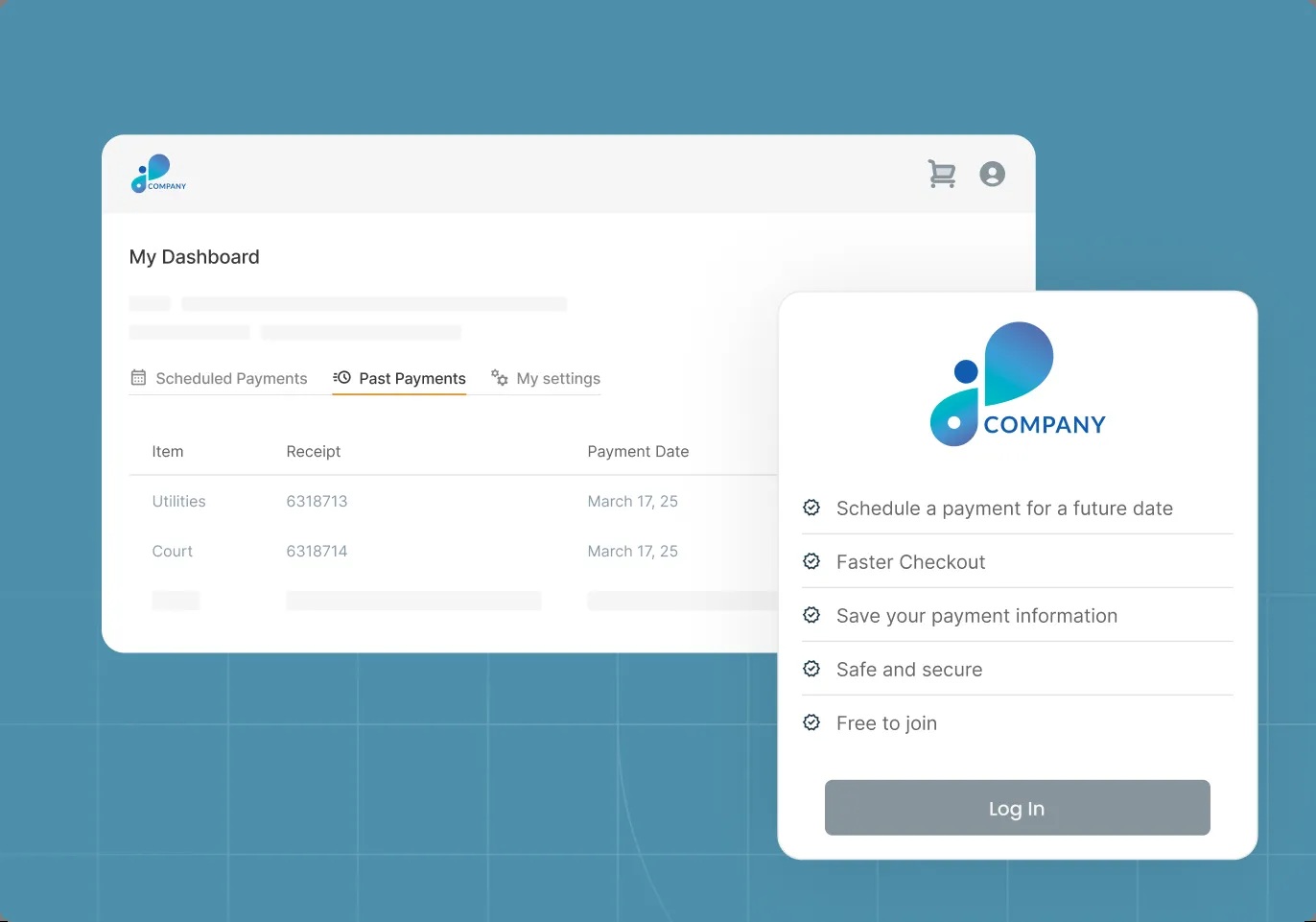
The government buyer has two constituencies. The resident wants the payment to work. The office needs records it can reconcile. A pleasant checkout experience is of limited comfort when the finance team spends the afternoon identifying what arrived.
Grant Street’s rollout across Georgia’s 159 counties for online motor-vehicle payments illustrates the operational part. Its December 2023 announcement describes standardized configurations, simpler requirements gathering, streamlined contracts, and a packet explaining onboarding. Scaling here meant making repeated implementation work more predictable.
It can also fit beside another supplier. South Dakota’s 605DRIVE vehicle-system launch included PaymentExpress, with Grant Street collaborating with FAST Enterprises. Replacing an entire core platform and integrating a payment layer are different purchasing decisions. Tyler Technologies’ assessment and tax products are another option for public buyers; an existing system with a separate processor is an alternative too. Grant Street’s distinctive proposition is its concentration on revenue workflows and connections among its own products.
Even a small payment feature can expose a larger design mistake. Grant Street had supported contactless payments since 2016, yet payers could still be asked to press terminal buttons. Pandemic conditions prompted a redesign using newer hardware and upfront display of amounts and service fees. “Contactless” had needed a little editing before it meant what the customer thought it meant.
Boring has a price
This business sells implementations, subscriptions, hosted services, and payment processing. A substantial county replacement is a procurement project, with scope, acceptance criteria, and a delivery schedule. Los Angeles County’s March 3, 2026 board action approved an eTAX contract with a maximum of $408,250,593: about $371.1 million in service costs and $37.1 million reserved for additional work.
$371.1mService costs
$37.1mAdditional-work pool
The base term runs for five years after final system acceptance, with extension options. The county’s justification described platforms more than 45 years old and risks to property tax collection and distribution. Grant Street’s May announcement described a multi-year implementation. Selection and a finished replacement are separate milestones.
San Bernardino provides a more granular example. Its September 2025 board record says the core TaxSys system went live on July 14, on time and within budget. It also documents 98 requirements moved beyond the core implementation, $5 million in deferred payments, and a revised contract total of about $57.6 million. The county wanted later features informed by operational experience. A go-live did not mean every original requirement had shipped.
Buyers can copy the discipline of distinguishing core delivery from enhancements and aligning payments with milestones. Such an approach requires agreement about what can wait. A statutory obligation or essential collection function cannot simply be renamed an enhancement because the schedule is inconvenient.
The useful part to steal
Grant Street’s careers page describes a remote-first company that values curiosity, humility, and transparency. It offers paid child-bonding leave and, after five years, eligibility for a two-month unpaid sabbatical. Those are stated policies; the business history gives the listening claim a more concrete test. Existing customers asked for an adjacent product, and the company built it.
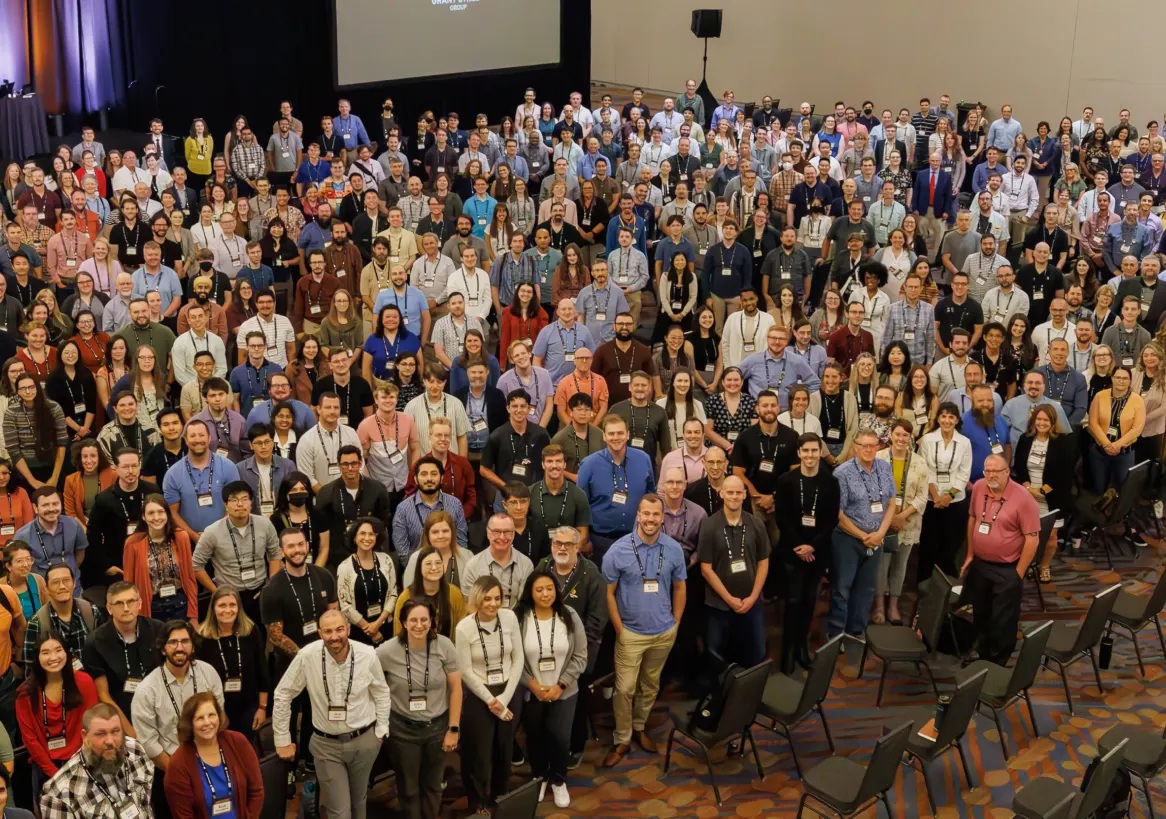
The transferable idea is to study the handoffs around a transaction you already understand. An auction led to tax collection. A payment led to reconciliation. Each connection offered another place where staff were spending time translating between systems.
That approach needs domain knowledge, cooperative customers, compatible rules, and patience for implementation. It becomes less persuasive when an agency needs only a narrow payment service or when a wholesale replacement costs more than the operational problem justifies. The aim is ordinary competence at scale: a bill found, a payment recorded, money distributed correctly. Government has plenty of drama already.