On January 1, 1995, Austria joined the European Union. For an Austrian freight forwarder, this was an awkward sort of progress. Goods could cross much of Europe with less ceremony. The people paid to manage that ceremony suddenly had less to do. Gebrüder Weiss lost much of its customs business, an activity that had accounted for a third of its value creation. The border had been a nuisance for customers and a living for the company.
Its response was an extensive reorganization of procedures. A larger common market offered opportunities, but the old arrangement could not simply carry on. That episode is a useful way into Gebrüder Weiss: a family company whose considerable age can distract from its more interesting habit of changing the work it sells.
- The turning point: EU membership stripped away much of a customs franchise.
- The offer: freight transport, storage, fulfillment and supply-chain coordination.
- The proof: customers including Hilti and Schneider Electric buy linked processes.
- The lesson: improve the handoff, then buy the machinery that makes it repeatable.
01 / Goethe had a transport bill, too
The family’s courier lineage reaches back to 1487, connecting Lindau and Milan over the Splügen Pass. In 1788, Johann Wolfgang von Goethe used the service on his return from Italy. He and his companion paid 122 guilders. Even literary immortality required a transport budget.
The company was registered as Gebrüder Weiss in 1823. Josef Weiss ran it with his half-brothers Leonhard and Johann Alois Karl. Today, the Austrian group has about 8,600 employees and 180 company-owned locations worldwide. Its historical routes help explain its grounding in the Alps, the Danube region and Eastern Europe. Its current network reaches far beyond them.
02 / The expensive part is the handoff
Consider Hilti. Construction tools must move from warehouses to customers, with varied products and demanding processes. Gebrüder Weiss combines land, air and sea transport with storage and cross-docking. Its published case describes deliveries from two warehouses in Austria and Germany to customers in five countries within 24 hours. The Control Tower gives the operation a common view.
Schneider Electric supplies an equally revealing example. Gebrüder Weiss coordinates roughly 30,000 intercompany transports annually across 300 fixed routes. Its portal makes shipment details, costs and status visible. Tridonic uses another arrangement: processes established in Austria repeated in Atlanta, Hong Kong, Shanghai and Singapore, connected directly to the customer’s systems through EDI.
The common purchase is coordination. A manufacturer can hire someone to transport a pallet. It can also hire someone to organize the chain of decisions around that pallet. Gebrüder Weiss sells both, charging for transport and logistics services through commercial customer agreements. Warehousing, fulfillment and supply-chain management extend the relationship beyond an individual journey.
Shared documents, shipment status and a responsible contact connect the steps.
For buyers comparing it with DHL Global Forwarding, DSV or Kuehne+Nagel, the useful question is specific: who can manage this route, this product and this exception? Gebrüder Weiss’s regional roots, physical network and customer-specific coordination give it a credible place on that shortlist. A long history alone will not get a delayed shipment unloaded.
03 / A €100 million bet on proximity
In April 2026, Gebrüder Weiss formally opened its Logistics and IT Center in Wolfurt. The investment was approximately €100 million. A 34-meter high-bay warehouse holds up to 68,000 pallets; offices accommodate roughly 400 people, including the central IT unit. The site also serves as a global distribution hub for Hilti goods.
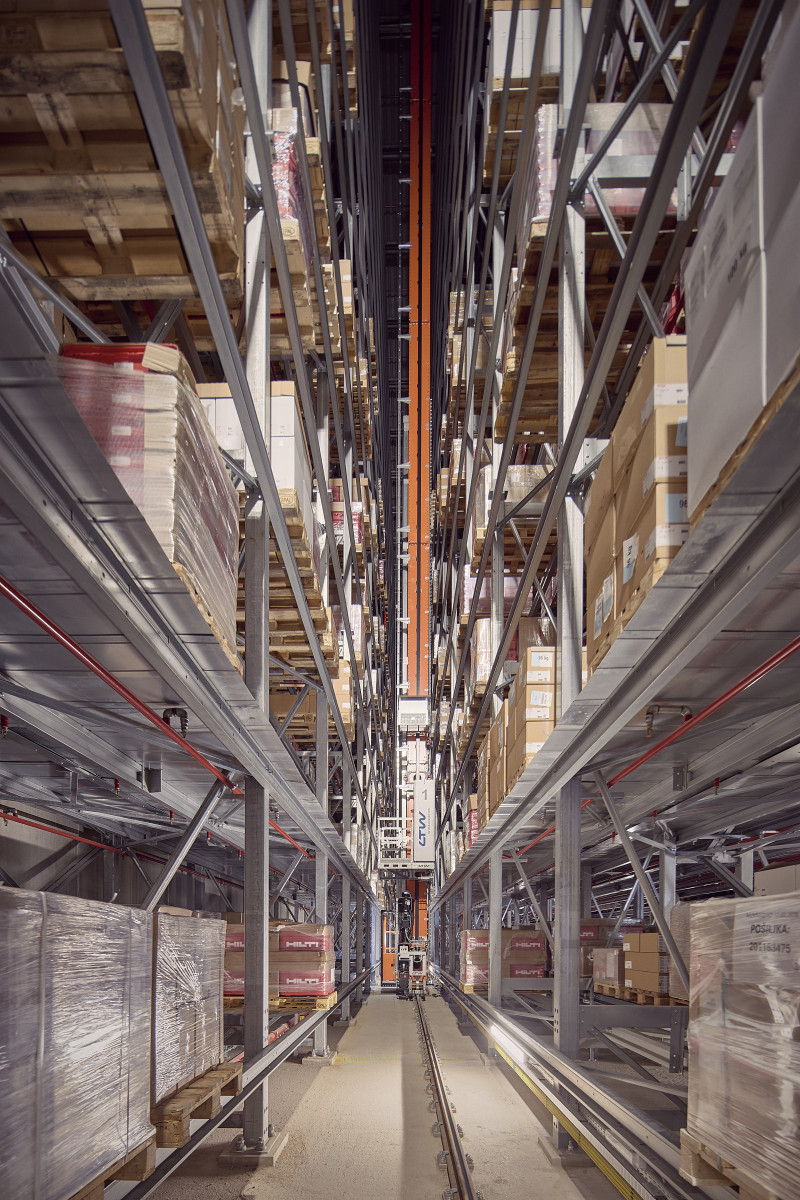
The design stacks functions to conserve scarce land in the Rhine Valley. Nearby rail freight infrastructure connects the warehouse to a wider transport system. Before construction, a digital twin helped simulate and optimize the automated operation. This is a particularly tangible version of digital transformation: put the software people near the goods their software must understand.
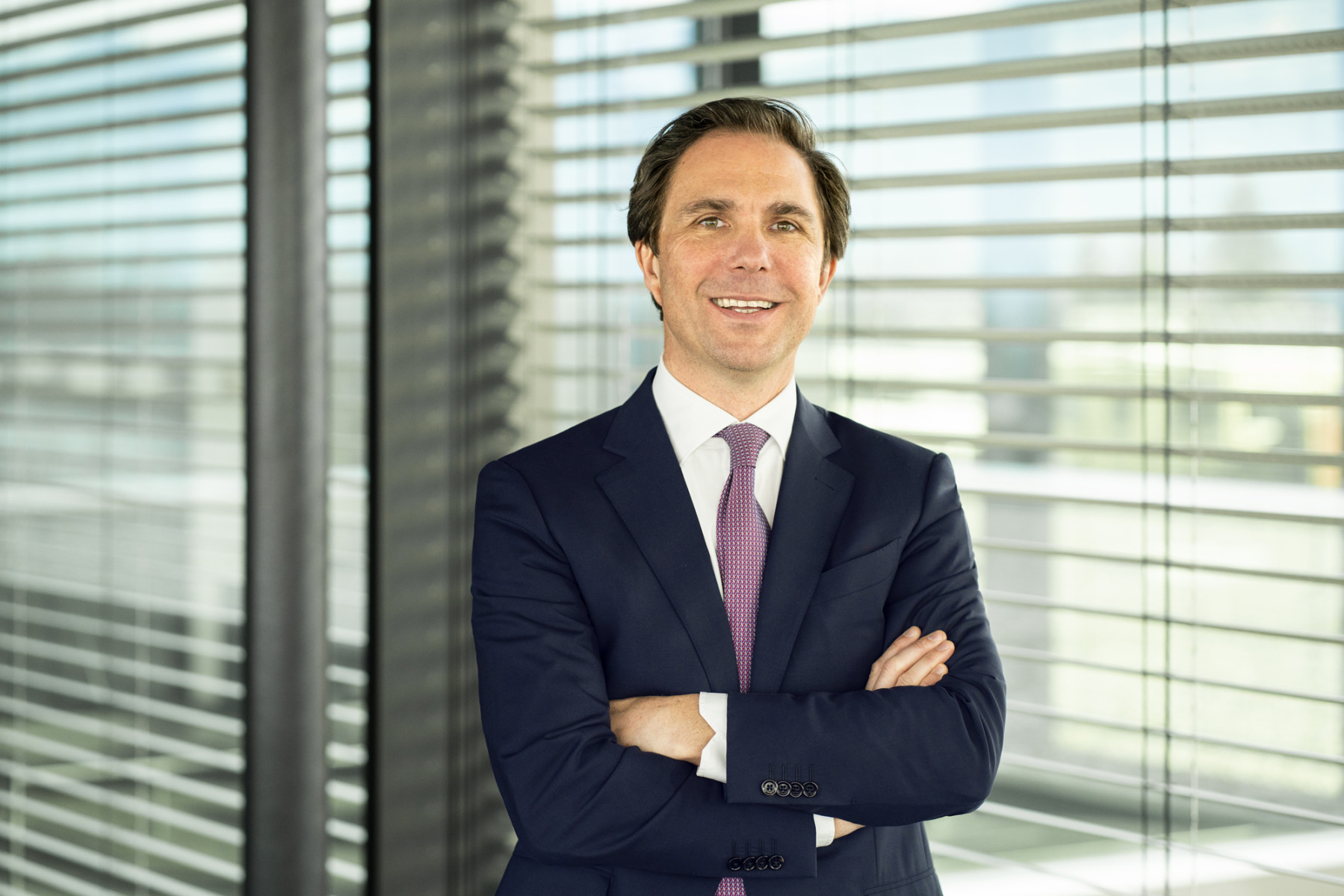
“We are creating infrastructure that is designed for a period of decades.”Wolfram Senger-Weiss, CEO, at the Wolfurt opening
Copying this requires more than buying robots. Predictable flows, usable data, suitable land and capital have to come together. The company says Wolfurt’s standards will inform a planned automated terminal in Pratteln, Switzerland. The repeatable object is the operating design.
04 / The charger belongs in the schedule
Gebrüder Weiss began operating a hydrogen truck in 2021. By the end of 2025, it was running fourteen Mercedes-Benz eActros 600 electric trucks in Austria. Daimler’s account identifies the practical reasons: sufficient range for network operations, service support and the company’s own charging infrastructure.
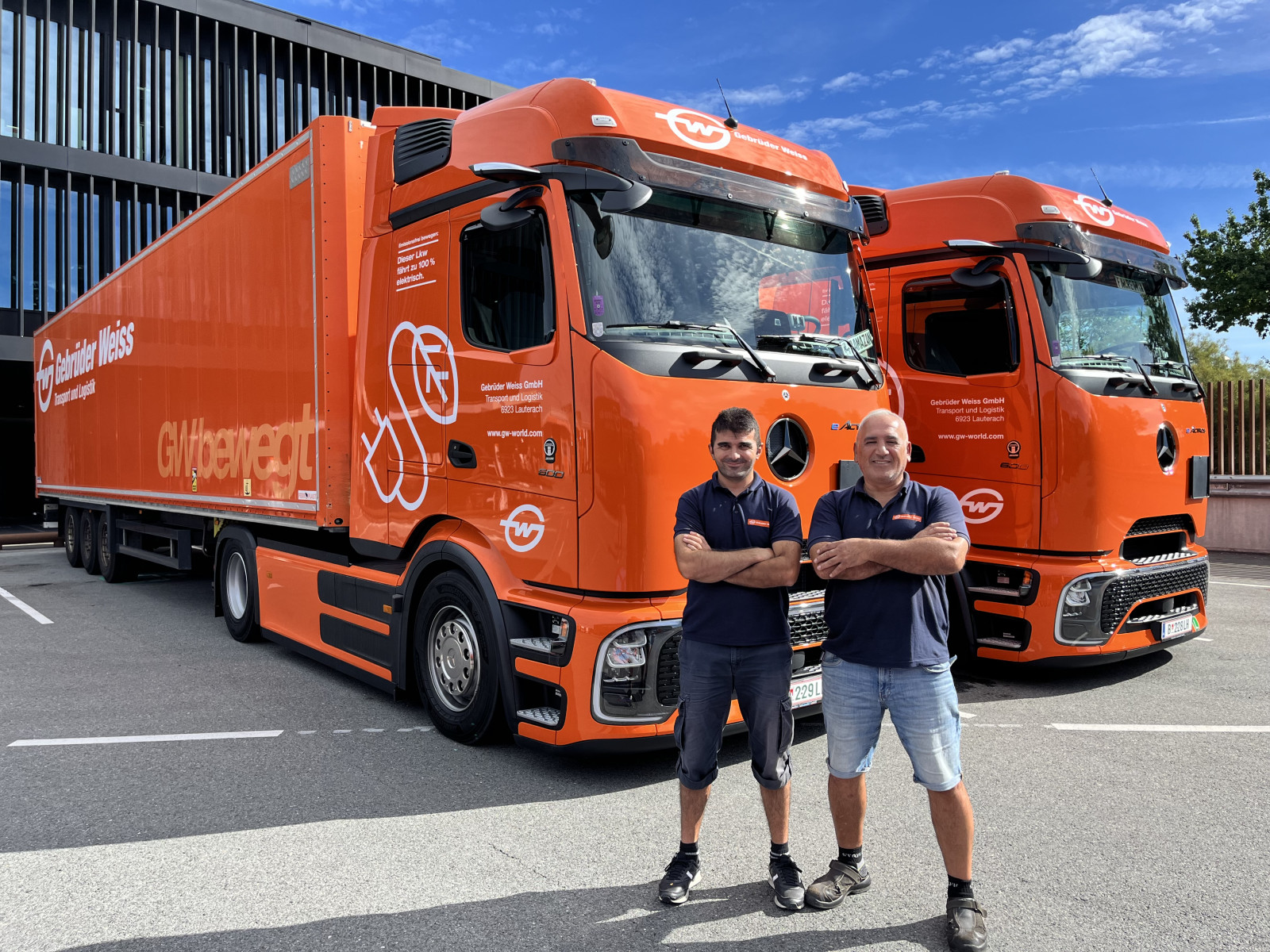
Vehicles can charge while goods are loaded or unloaded. Public truck charging remains insufficient in many regions, so the company supplies its own energy systems at selected sites. The transferable lesson is to fit charging into existing pauses. Routes without dependable charging, or schedules that cannot accommodate it, make the same approach harder to reproduce.
05 / Good delivery still needs a better clock
The digital customer portal myGW, launched in 2020, brings booking, shipment tracking, documents and communication together. Its pro tier adds longer data availability and dynamic arrival estimates for land transport. That can help a buyer plan receiving staff or answer a customer without chasing separate messages.
Yet visibility remains unfinished work. In September 2026, a company-commissioned Austrian Home Delivery survey reported 92.5 percent satisfaction among 1,967 recipients. Customers still wanted narrower delivery windows and clearer shipment status. Gebrüder Weiss announced more transparent tracking and notifications. The company’s own evidence makes the point: a friendly crew cannot entirely compensate for an uncertain arrival time.
Satisfied Home Delivery respondents
Austria · 1,967 recipients · company-commissioned survey
The financial discipline is similarly unromantic. In 2025, net revenue was €2.73 billion, slightly above €2.71 billion in 2024. Investment reached €146 million and the equity ratio exceeded 60 percent. Air and sea volumes grew while that division’s revenue fell as freight rates declined. More goods moving need not mean more money earned.
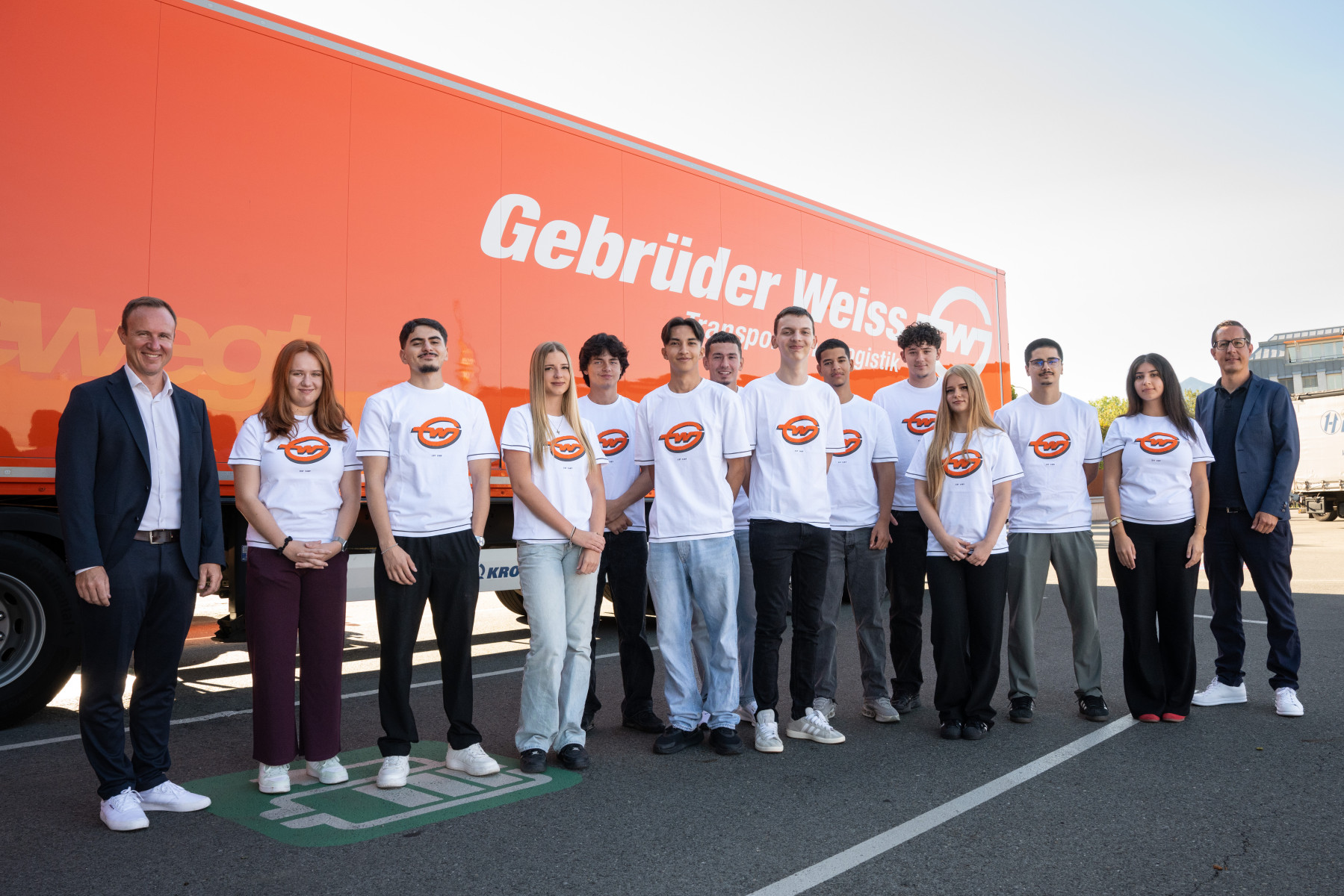
Independence is one of the firm’s four declared values. Its training pipeline gives that word a practical dimension: 113 new apprentices joined in September 2026 across Austria, Germany and Switzerland. A business planning decades ahead must teach someone to run the next shift. The enduring offer is straightforward: help customers move goods through a changing world, and keep revising the arrangements that make the movement possible.