Seven women in Worcester’s Great Brook Valley public housing had a problem that was both ordinary and enormous. Their families needed regular medical care. They relied on the hospital emergency room. In 1972, they founded a corporation, obtained space from the Worcester Housing Authority and negotiated for a nurse practitioner to come to them. Consider the sequence: the residents organized first. The clinician followed.
- Bring routine care closer to the people who need it.
- Connect medical, dental, mental health and pharmacy services.
- Make language, insurance and social support part of the work.
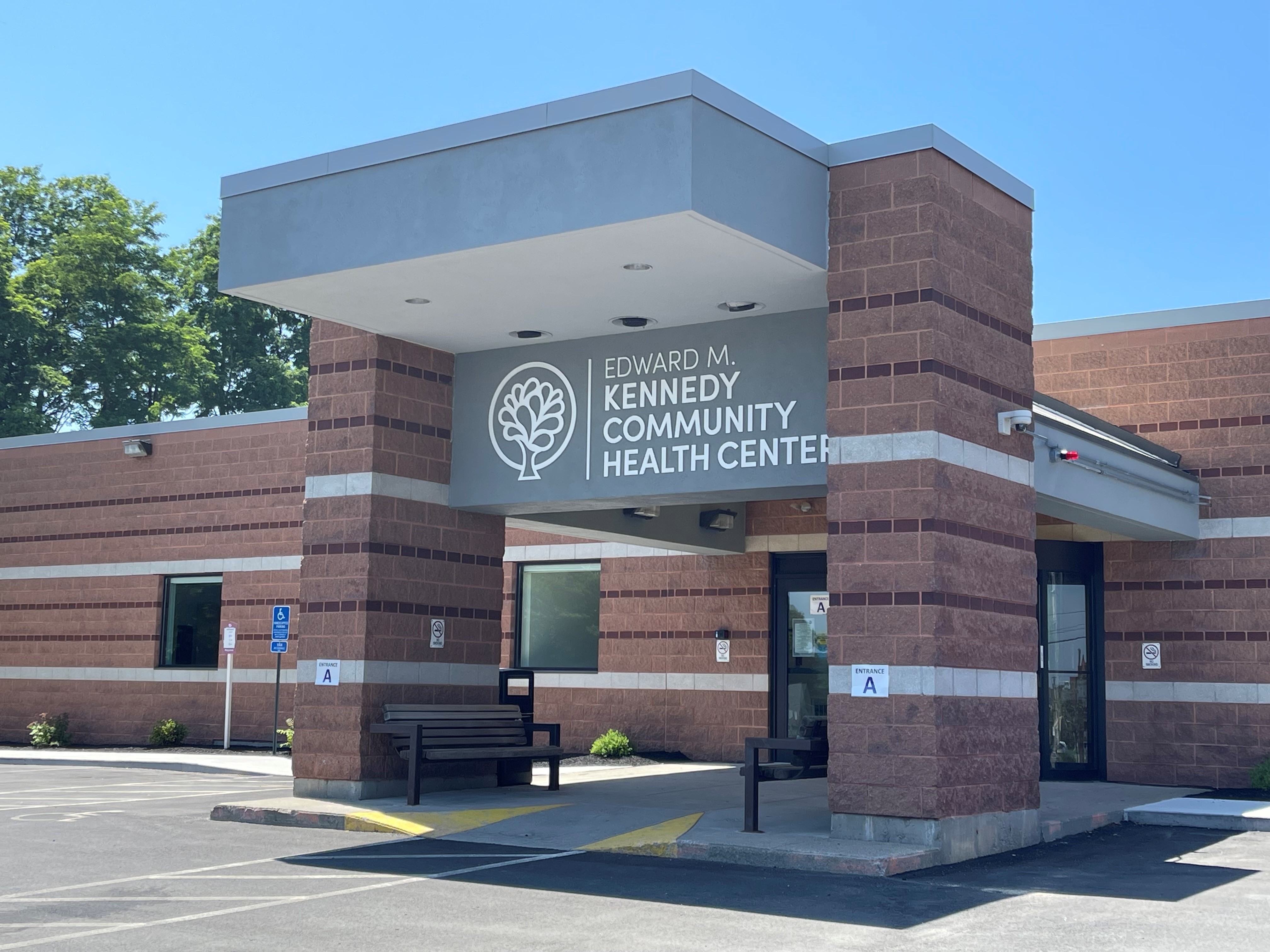
That organization became Edward M. Kennedy Community Health Center. Its founding story makes an unusually useful distinction. A city can have hospitals and still leave a neighborhood without dependable primary care. The missing ingredient was a way for families to reach care before an emergency. Seven mothers recognized that gap because they lived inside it.
Seven mothers, one very practical demand
The center began as Great Brook Valley Health Center and adopted Senator Kennedy’s name in 2010. Expansion came in stages: Framingham in 2004, Milford in 2014, a second Worcester health center at 605 Lincoln Street in 2023. The original question traveled with it: what keeps someone from getting care?
Today, its website displays roughly 33,000 patients. Kennedy is a nonprofit federally qualified health center, part of the outpatient safety net serving Central and MetroWest Massachusetts. Children, working adults, older people, immigrants and refugees all fit within its remit. The institution’s ambition is captured in its compact mission: “help people live healthier lives.”
The appointment has a long tail
A useful way to understand Kennedy is to follow a prescription beyond the examination room. Someone must fill it. Someone must understand how to take it. Someone may need help paying for it. Kennedy operates four on-site pharmacies, and its clinical pharmacists offer consultations about conditions including hypertension, diabetes and asthma, in person or by telehealth.
The clinical offering extends through dental examinations, fillings, root canals and dentures; eye examinations and glasses; counseling, psychiatric evaluation and medication management. Its primary care teams include providers, nurses, nutritionists and other specialists. These services belong to one organization, though patients should check which location offers what they need.
The less visible work matters, too. Community health workers connect patients with resources and help them navigate health and social services. Certified insurance navigators assist with applications and renewals. For someone stalled by a form, a referral or a missing resource, the service is only usable once that obstacle is addressed.
For patients comparing options, Kennedy belongs alongside other community health centers and outpatient practices. Family Health Center of Worcester is one nearby alternative and also a training collaborator. Kennedy’s appeal rests on the combination of services, locations and support a particular family can use. A familiar provider, a convenient pharmacy or an interpreter may matter more than a long service menu.
The cost of being understood
Here is the number that changes the picture. In its 2025 state testimony, Kennedy reported that 72% of patients were best served in a language other than English. Interpretation cost nearly $2 million annually and was not directly reimbursable. It is hard to discuss symptoms, medication or consent when the conversation itself is inaccessible.
Kennedy reported approximately $3 million a year in revenue from the 340B drug-pricing program, supporting services including interpretation. The connection is revealing: pharmacy economics help sustain a conversation elsewhere in the organization. Access depends on this kind of cross-support, including work that has no convenient billable appointment attached.
The broader accounts show the scale. For the fiscal year ending June 2025, its Form 990 reported $56.15 million in revenue and $54.37 million in expenses. Program services, contributions and pharmacy-related activity support the model. Patients can use insurance or self-pay; eligible households receive sliding discounts. No single patient price describes that arrangement.
The offer is broad access with eligibility-based discounts. That distinction matters for patients planning treatment: insurance coverage, household income and the services required can affect the bill. Kennedy’s billing team helps explain those arrangements.
Access has an operating budget.The practical lesson of Kennedy’s model
A grant buys a beginning
The Health Foundation of Central Massachusetts offers a concrete example of how the machinery gets built. It supported Kennedy’s dental lab in 2000. By its 2022 account, the lab was still operating, sustained through MassHealth and private-insurer reimbursement. The grant funded capacity; ongoing payments helped keep that capacity useful.
The same foundation reported $380,000 in support for the Milford access project, alongside MetroWest Health Foundation funding. A satellite center opened in March 2014. The lesson for another nonprofit is quite specific: before buying equipment or opening space, work out who will pay for the service after the opening celebration.
The clinic goes to school
Kennedy also places care where children already spend their day. Its school-based program offers examinations, immunizations and treatment for acute and chronic illness. Some schools receive dental or behavioral health services. Students can participate even if they already have a primary care provider elsewhere; clinicians coordinate with school nurses and community providers.
This is a practical answer to distance and scheduling, rather than a claim that every family needs a new doctor. Enrollment is required. When schools are closed, participating students can receive services at Kennedy’s Worcester and Framingham sites. The building changes; the connection to care can continue.
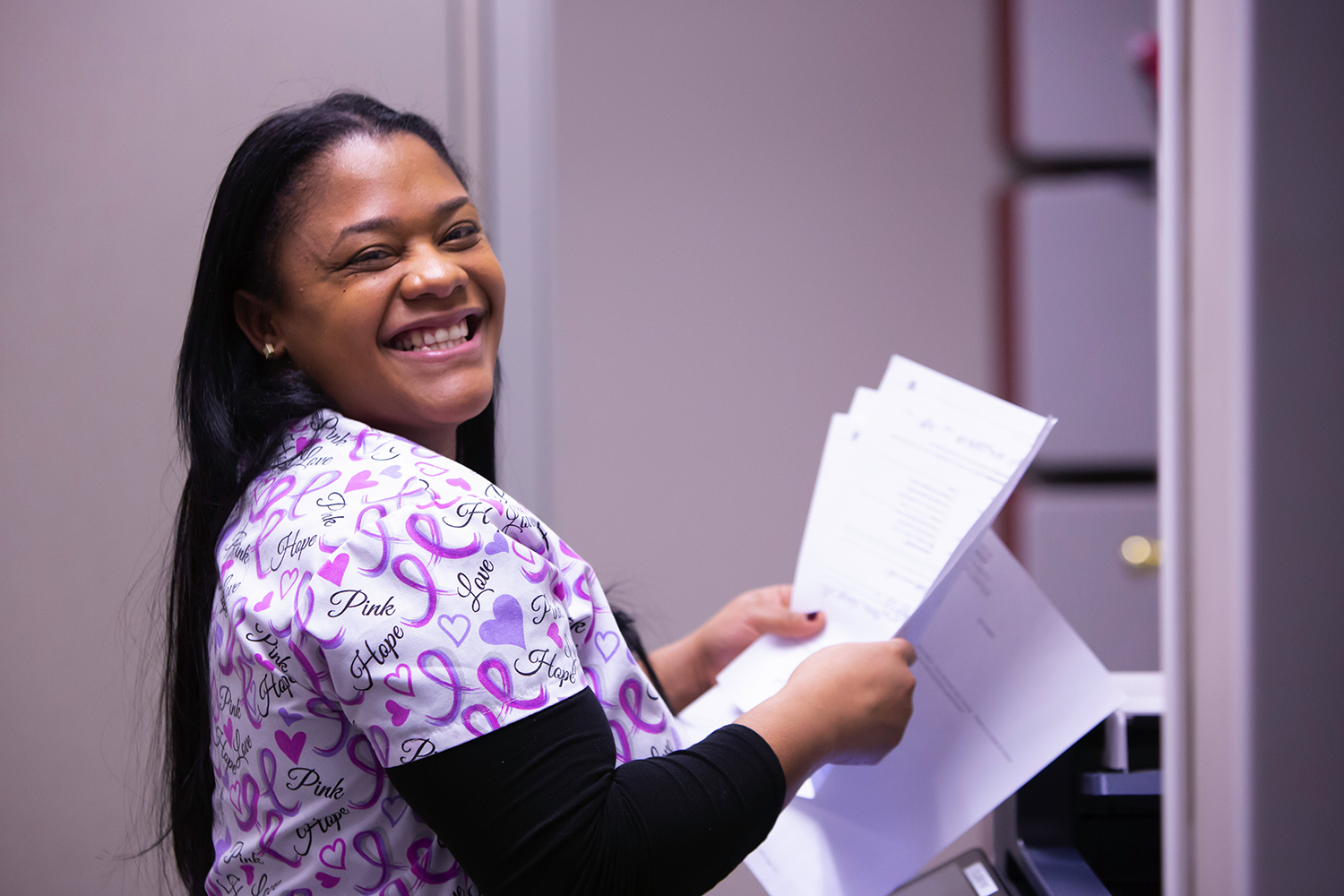
Staffing that system takes deliberate training. Kennedy’s advanced practice provider residency began through a 2019 partnership with UMass nursing, Family Health Center of Worcester and other sites. Residents maintain patient panels and work with experienced clinicians. NYU Langone also lists Kennedy as a dental training site. Care delivery and professional education share the same setting.
After hours, another door
An August 2026 update describes public health vending machines offering round-the-clock access to naloxone, emergency contraception, HIV and STI self-testing kits, hygiene products and safer-sex supplies. QR codes connect people to further services. Kennedy reported evening use, including between 6 p.m. and 10 p.m. The clock, too, can keep people outside care.
These approaches need licensed staff, reliable supplies and recurring funding. They cannot replace hospital treatment for emergencies. Nor does a vending machine establish the long relationship a primary care team can build. But for anyone designing a service, Kennedy offers a useful habit: follow the person through every step, and notice exactly where the journey becomes too difficult.