The complaint was small enough to fit across a dinner table. In 2016, with presidential primary debates underway, Tom Bender and Greg Hochmuth wanted to watch on their phones. They did not have cable. Neither, they said, did their friends. Why was getting a debate onto a little screen such an undertaking? A television could begin with the press of a button. The phone, supposedly the cleverer object, seemed to demand an itinerary.
- Free television for upright phones, with no registration.
- Ten channels announced in May 2018, alongside $5 million in funding.
- Licensed shows, live news and comforting reruns, rather than an endless searchable library.
- Simple viewing depended on complicated editing and delivery.
That dinner became Dreams’ own origin story. The founders began working on the company full time late in 2016. Their question was wonderfully unfashionable: could a smartphone recover the ease of an old television? The attraction was the ordinary moment when somebody wanted company, news or entertainment without first becoming a programme director.
A television with its shoes on sideways
The founders brought relevant experience. Bender had worked on mobile advertising formats at Google’s DoubleClick team. Hochmuth had been an early Instagram engineer and product manager. Their backgrounds put the screen, the interface and the business of attention within reach. The resulting product was a consumer entertainment app with an engineering problem underneath it.
In March 2017, Dreams reported more than 100 content partners and over 500 videos converted to portrait. It also produced original vertical videos in New York. News, music, fashion and documentaries became channels rather than a collection of links. The app was free on iOS and Android. Registration was absent; the viewer’s thumb handled navigation.
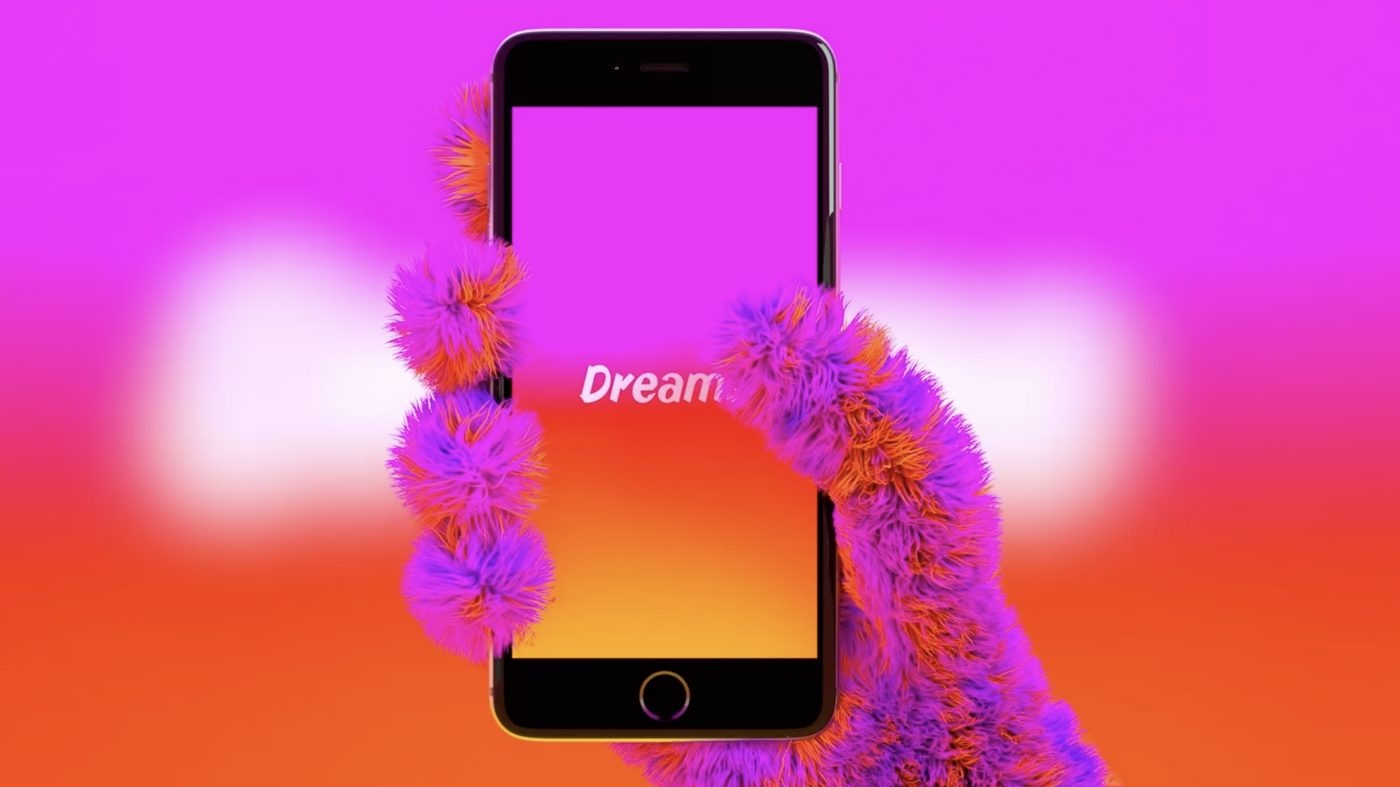
An upright screen could look peculiar elsewhere. A June 2018 Business Insider report described a television standing vertically in the Dreams office. The oddity made the proposition visible: adapt the entertainment to the hand holding it. Most viewers were unlikely to rearrange their furniture. Dreams was asking for something much smaller - leave the phone as it was.
The thumb replaces the remote
The May 15, 2018 public launch announcement made that proposition concrete with ten channels. Discovery supplied Animal Planet, Discovery Channel, Food Network and HGTV. Bloomberg supplied business news. BBC Studios documentaries populated Geo. Newsflash carried live events; Slow offered landscapes, streams and rainfall. Wedding Week was a temporary channel built around Harry and Meghan’s wedding.
Then there was VHS. Janson Media’s contribution included Bob Ross’ The Joy of Painting, Inspector Gadget, Where on Earth is Carmen Sandiego? and Sonic the Hedgehog. This was a recognisable kind of comfort: somebody pleasant, or pleasantly familiar, already doing something on screen. Rainfall and cartoons made an amusingly broad definition of television.
The viewer could swipe away. Most library channels offered one full episode per day, starting from the beginning when selected, according to May trade reporting. News behaved like live television. That distinction matters. Dreams borrowed channel surfing’s ease without making every programme a broadcast that you joined halfway through.
“We wanted to lift the burden of choice.”Tom Bender, June 2018
Netflix and Hulu let people pursue a particular title. YouTube TV offered another route into live television. Dreams occupied the less purposeful moment: the lunch break, the wait, the few minutes in bed. Its founders described a complement to paid services. You could enjoy a carefully chosen drama elsewhere and still want an app that asked almost nothing of you.
A narrow screen, a wide backstage
Getting the picture right required more than turning it. Television scenes were composed for a wider frame. Dreams used video editors to reshape programming before it played. Live Bloomberg coverage demanded real-time adaptation, with software identifying the speaker and adjusting the frame and graphics. The company described its news-conversion technology as patent-pending computer vision.
The design problem is easy to imagine. A close-up can survive a narrow crop; a scene whose meaning stretches across the picture is less obliging. Reframing must preserve what the viewer needs to understand. The lesson for anyone adapting content is to inspect the scene as carefully as the screen dimensions.
Free at the front, costs at the back
Dreams announced a $5 million Series A led by A Capital Ventures, with NEA, SV Angel, BoxGroup, Scott Belsky and Kevin Durant participating. That was financing for channels and technology, not the price of the app or a published operating budget. The customer paid nothing to download and watch the documented service.
The intended commercial engine was advertising. May 2018 trade coverage described ads edited for vertical screens and dynamically served into the feeds; the preceding trial had run without advertising. Free access made trying Dreams easy. Whether the economics worked would also depend on paying for content, delivery and the people preparing it.
One early obstacle arrived in the founder’s own pocket. Bender told Next TV in November 2016 that he had exceeded his mobile data cap more than once during testing. He reported that 85% of first-week users watched on Wi-Fi. Dreams throttled delivery according to the connection. Removing a login did not remove the network bill.
Twenty-four minutes is a clue
By August 2018, Dreams was adding Batman, The X-Files and NYPD Blue. Contemporary coverage quoted Hochmuth reporting average daily viewing of 24 minutes. September coverage put the share choosing vertical viewing at 70%. Those company-reported figures suggest that some people would settle into longer programmes on phones. They do not establish profitability.
Average daily viewing reported by Dreams’ co-founder in August 2018.
The format still asked viewers to accept limits. A person hunting a particular episode could prefer an archive. A poor connection could interrupt instant viewing. A scene could resist its new shape. These are consequences of the proposition, not a verdict on it: a service designed for casual discovery needs content and delivery that reward staying.
The useful thing to copy is the starting question. Identify the exact moment someone wants a result; count the decisions standing between them and it. Dreams started with a debate that should have been easy to watch. Its experiment makes a modest, persuasive demand of product designers: hold the device, try the task, and notice what the user’s hand already knows.
Dreams website · LinkedIn · Twitter / X · Facebook · The founders’ launch essay · The 2018 channel announcement