Christian Patiño wanted to start a technology business. There was a small inconvenience: he could not program. He tried learning, disliked the experience, and found himself with a different business idea. Build the school he wished he could attend. Coderhouse began with a problem familiar to anyone who has abandoned a tutorial halfway through: access to information does not necessarily turn into the ability to use it.
- Practical courses in coding, design, data, marketing and AI.
- Live teaching, tutor support and projects give learning a timetable.
- Individuals buy programmes; employers buy seats or tailored training.
- AI tools now extend the campus beyond the scheduled class.
A school worth quitting your job for
In April 2014, Patiño and Pablo Ferreiro began the project after leaving their jobs, according to El Cronista’s early account. Their initial investment was $10,000. It was a school with physical classrooms, not an app hoping that a community would eventually appear around it. The order matters. They learned to run the classroom before trying to distribute it.
The first disappointment belonged to the founder as a student. It would be convenient to turn that into a grand theory about education. The evidence supports something smaller and more useful: he wanted a different experience badly enough to pay for its creation. A frustrating customer experience became a business brief. Teach skills people could practise, with other people in the room.
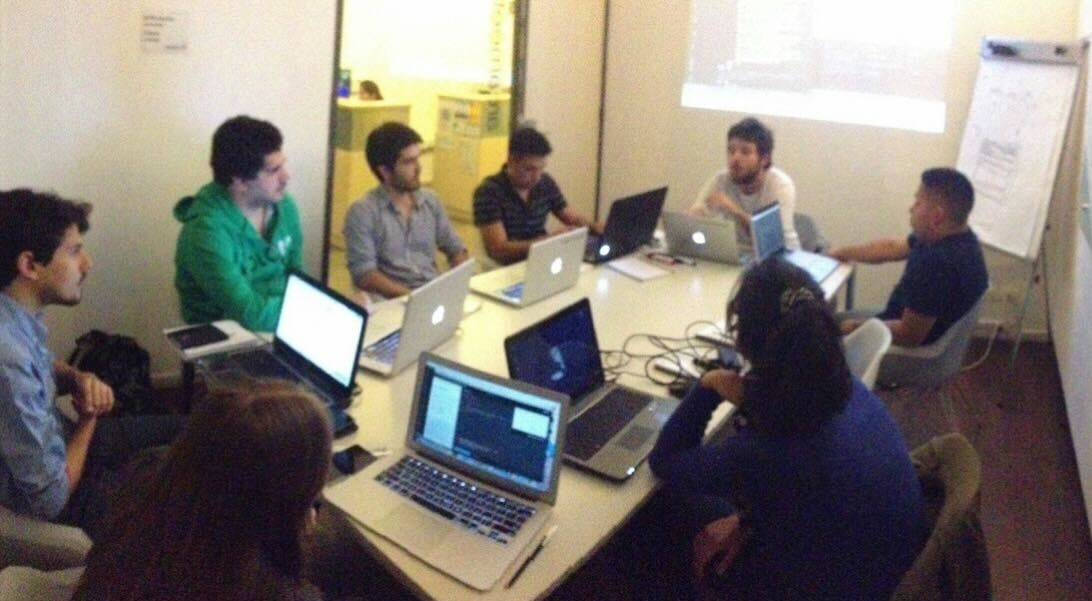
The room loses its walls
In 2019, Coderhouse shifted to live online classes. Patiño later put the timing at five or six months before the pandemic. His 2022 interview describes an attempt to carry the experience of the physical school into an online business. Lockdowns subsequently made that decision unusually well timed. The change preceded them.
That distinction is worth keeping. A pandemic can send students to your website; it cannot design your class. Coderhouse had already chosen to make people arrive together, rather than simply giving each person a library. A shared start date creates a little social pressure. The course becomes an appointment. Someone else is working through the same awkward first attempts.
“I wanted to create the school that I would have liked to attend.”Christian Patiño, speaking to Contxto in 2022
By 2021, investors were paying attention. Coderhouse joined Y Combinator’s Winter 2021 batch and announced a $13.5 million Series A led by Monashees, with Reach Capital participating. A contemporary Forbes Colombia report named Nubank’s David Vélez, Rappi’s Sebastián Mejía and Bitso’s Daniel Vogel among the investors. The classroom had become a regional investment proposition.
The space between a video and a bootcamp
Coderhouse’s position was especially clear in Reach Capital’s investment note: courses starting at $100, taught by experts and reinforced by tutor-led practice. Reach reported that 90% of students completed their courses. That is an investor’s historical claim, rather than a current, independently audited result. Still, it explains what attracted the money: affordable access coupled with reasons to keep going.
This places Coderhouse between two familiar purchases. A recorded-content subscription buys flexibility and breadth. An intensive bootcamp buys a concentrated stretch of training. Coderhouse’s original wager was that a learner could buy a manageable course and still get a live teaching relationship. Its expertise lies as much in organising practice as in presenting the subject.
Structure turns a collection of lessons into a sequence of actions.
The buyers include professionals whose existing qualifications no longer cover the tools their work requires. A designer may need UX/UI; a marketer may need analytics. Beginners can use a course to explore a field before committing to a longer route. Employers have a related problem: the team needs a new capability while the ordinary work keeps arriving.
Alternatives such as Platzi, Udemy and Coursera also sell online learning; Coderhouse itself discusses them in its corporate training comparison. The useful comparison starts with your week. Do you need an appointment to protect study time, or freedom to study whenever a gap appears? Do you need one skill for a current role, or a longer sequence for a career change? Those answers matter more than the size of a catalogue. A learner who already practises consistently may need less scaffolding than someone making a first attempt.
The project is the receipt
Today, Coderhouse offers individual courses, linked courses called careers, and diplomaturas. Its help centre describes scheduled programmes with Zoom classes, a professor, a tutor, materials and an AI academic assistant. Subjects range from programming and data to design, marketing and business. A student can build a website, develop a design project or practise analysing data, depending on the programme.
There is a useful detail in the course terms: earning the course approval certificate requires a final project with a grade of at least seven. Students also retain ownership of the code they create. For a prospective learner, this shifts the question from “What certificate will I receive?” to “What work will I be able to show?” The second question is harder for a sales page to answer vaguely.
The business earns money from tuition, corporate training and subscriptions. On its Argentina business page, employers can buy open-course seats with volume discounts or commission an exclusive programme. The former offers an existing timetable; the latter adapts content and scheduling. Coderhouse also announced a PedidosYa curriculum alliance covering design and programming subjects. Such validation should be read as a specific relationship, not a promise of employment.
Now the tutor stays up all night
The latest version adds a different kind of availability. Ticher provides AI-supported explanations, practice and feedback. Playground creates personalised learning experiences. The March 2026 membership guide combines these with workshops under Coder Pro, offering limited free exploration before paid access. Coderhouse is expanding the ways a student can learn between appointments.
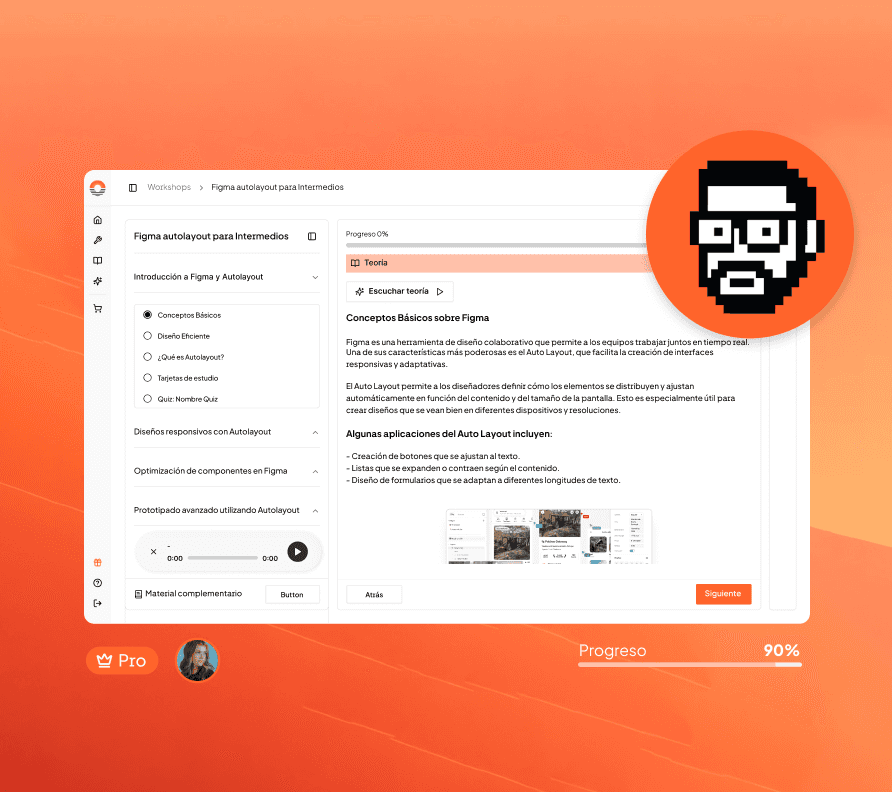
The practical test remains ordinary: can the learner do the work? An AI response can arrive quickly; its usefulness still needs judging. Coderhouse’s company-authored YC profile now reports more than 500,000 alumni and a US expansion. Scale makes feedback harder to personalise. AI is its proposed way to handle more of that work alongside human teaching.
Readers can copy the underlying habit without founding a school: choose a project, set a shared deadline, and arrange feedback before buying more content. The model suits people who benefit from structure and can reserve time to practise. A fixed timetable is less useful when work makes attendance impossible. A certificate alone cannot substitute for practice or guarantee a job. Start with the thing you want to make, then choose the classroom that helps you finish it.