Consider two venture funds. Each owns 5 percent of a company sold for $1 billion. Each receives $50 million before fees and other complications. For a $30 million fund, that is a consequential afternoon. For a $300 million fund, there is considerably more work to do. The company performed identically. The denominator changed everything.
- Back the seed funds that reach founders early.
- Keep ownership meaningful relative to fund size.
- Remember that valuations and cash are different things.
The investor behind the investor
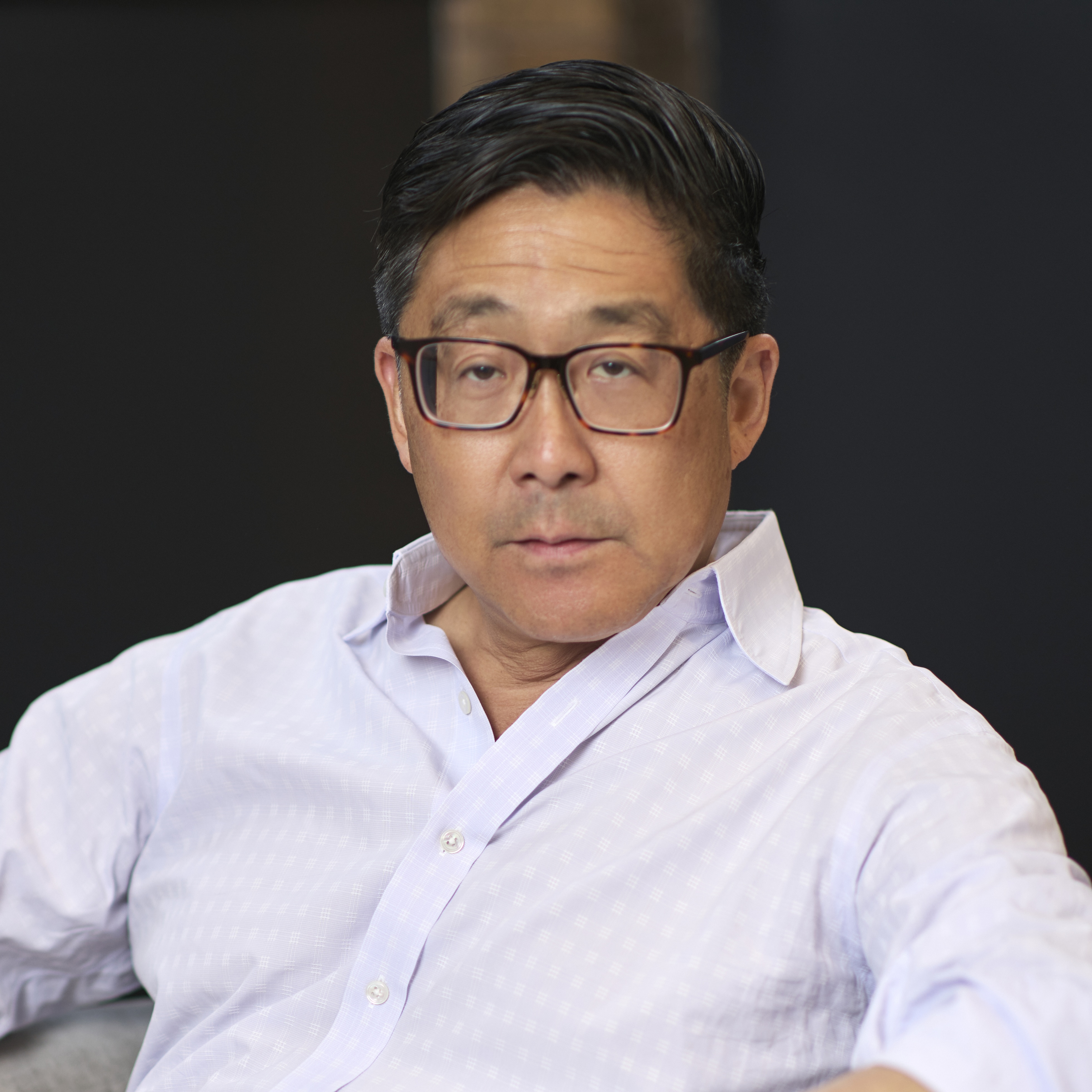
Cendana Capital has built a business around that denominator. Founded by Michael Kim in 2010, the San Francisco firm commits money to seed and pre-seed venture funds around the world. Those managers then invest in startups. Cendana sits one level upstream from the familiar founder-and-VC handshake, deciding which investors deserve the capital to make it happen.
Its own capital providers include endowments, foundations and family offices. For an institution, assembling and monitoring a collection of tiny venture relationships takes work. Cendana offers a managed route into that market. For an emerging manager, it offers an anchor investor and help building the firm around the fund. The startup founder usually meets Cendana’s judgment indirectly, through someone else’s check.
First, almost everyone said no
The first thing to fail was the fundraising pitch. Kim spent more than 18 months raising his debut vehicle. Prospective backers questioned the long holding periods, the extra fees and whether seed investing was even a durable category. This was an awkward product to sell after the financial crisis: an unfamiliar manager offering exposure to other unfamiliar managers.
The breakthrough came through a Philadelphia family office willing to provide up to $18 million for fund commitments. The University of Texas investment organization became another important early backer. Kim also raised $1 million to give his own business runway. The first investment pool reached $28.5 million. Capital for the management business and capital entrusted to the fund were separate problems.
That experience helps explain the firm’s interest in managers who think like founders. Raising a first fund means selling a judgment before there is much institutional evidence that the judgment works. Cendana had lived through the same uncomfortable exercise.
A famous logo cannot do the arithmetic
By December 2014, Cendana had raised a $50 million second fund, above its $30 million target. Its relationships included Freestyle, K9 Ventures, Lerer Hippeau and SoftTech, now Uncork. Kim’s concern in that interview was already ownership: a tiny stake in a respectable exit might produce remarkably little for a fund.
A fund-of-funds charges for choosing and managing fund relationships. The underlying managers also charge for investing in companies. That stacked structure makes access an economic question: does the specialist get an institution into opportunities, or improve its decisions, enough to justify the additional cost? Comparing gross startup gains with an investor’s net return skips that question.
The opening example is deliberately simplified. Actual proceeds depend on dilution, preferences, expenses and other holdings. But the relationship survives the caveats. A larger pool needs more dollars back. Owning a recognizable company is useful only if the position can affect the result.
This is the part another investor can copy: write down what a plausible exit would return to the entire fund. Then ask how much ownership must survive to make that outcome meaningful. A portfolio slide crowded with familiar logos does not answer either question.
The edge has to arrive before the pitch
Cendana evaluates a manager’s founder relationships, portfolio design and motivations. It checks credibility with founders and other investors, including whether the surrounding market has follow-on capital. Its published philosophy includes a pleasantly direct requirement: “We specifically look for fund managers who are nice.” Empathy is relevant when a founder gets to choose whose money to take.
The operating team now spans investing, finance and data. Partners Kelli Fontaine and Graham Pingree work alongside Kim; the public roster also includes dedicated data roles. The firm describes transparency and integrity as shared principles. For a business evaluating other people’s judgment, those are practical expectations: the useful information is often what a manager is willing to disclose when things become awkward.
“We specifically look for fund managers who are nice.”CENDANA CAPITAL · OUR APPROACH
Getting bigger without buying bigger funds
In September 2023, Cendana announced approximately $470 million across several strategies. That was money for investment vehicles, rather than a venture financing round in Cendana itself. The distinction matters: assets managed for clients are neither the management company’s revenue nor its valuation.
The March 2025 Cendana 6 announcement brought international fund investing into the flagship and grouped earlier Nano and Pilot positions under Discovery. It also announced $200 million for two managed accounts. These changes gave the firm more ways to work with managers while retaining a flagship focus on funds below $100 million.
What shifted institutional interest? Cendana’s account is that multistage venture firms grew, leaving some established portfolios with less early-stage exposure than their owners intended. A specialist in small funds could fill that gap. The same narrow mandate that once sounded limiting had become useful.
Cendana’s current website reports more than $2.7 billion in assets under management and exposure to over 6,000 underlying companies, including more than 200 unicorns. These are the firm’s ecosystem figures. A billion-dollar company valuation does not tell an investor how much cash has come back.
Eventually, somebody wants their money back
Waiting became a business opportunity. Cendana partnered with Kline Hill on a $105 million venture secondaries fund in 2024. Rather than financing only new fund commitments, the strategy can buy existing interests from investors who want to sell. It combines Cendana’s venture relationships with a specialist secondaries partner.
In April 2026, Kline Hill announced that their second joint fund had closed at $400 million, above its $300 million target. Secondaries offer a possible route to liquidity while companies remain private. They also put a price on impatience: the seller and buyer must agree what a future, uncertain distribution is worth today.
The model has limits. Another management layer brings another layer of costs. Small funds still need access to capable founders, enough ownership and eventual exits. A strong network cannot manufacture a buyer for every company. Institutions that can select and monitor managers themselves have an alternative. Cendana has to earn its place through access, selection and the work between commitments. Its most portable idea remains the arithmetic: before admiring the outcome, check what it means for the fund.