In 1993, a rock band looking for a break could put twenty minutes of original music on a cassette, add a photograph and proof of age, and mail the package to Bragman Nyman Cafarelli. The destination was a publicity agency in Beverly Hills. The attraction was a competition backed by Tanqueray, with a $10,000 grand prize and a national tour.
There is a whole business proposition tucked inside that envelope. Musicians wanted an audience. A gin brand wanted a reason to be in the room. BNC had a job for both of them.
Today, the name Bragman Nyman Cafarelli can look like an abandoned entry in a corporate directory. Yet the firm’s history is unusually useful for understanding entertainment marketing. It contains a repeatable idea, a difficult merger and a reminder that the people who create an agency’s value may be considerably more portable than its name.
A reason to be in the room
BNC operated where Hollywood publicity met consumer marketing. Its historical description bundled public relations, event marketing, celebrity and influencer outreach, product integration, sponsorship, promotion and project management. Offices in Los Angeles and New York connected it to both entertainment and corporate decision makers.
Those services solve related but different problems. A performer needs help shaping public attention. A brand needs a credible setting for its message. An event needs people to attend and something worth reporting afterward. A product placement needs a route into the entertainment itself.
The advantage of putting those skills together is coordination. The event can give the publicist a story; the talent can give the event an audience; the sponsor can help make the event happen. That is an interpretation of BNC’s service mix, rather than a claim that every assignment used every service. A capable brief would choose the combination the situation required.
The useful overlap: something people have a reason to join.
The work was more varied than a celebrity guest list suggests. BNC personnel appear in the public relations credits of the Academy of Country Music’s 2008 awards program. A 1999 business report connected its growth to entertainment assignments for Levi Strauss and Maidenform. These were businesses buying help with how they appeared in culture.
The names before the initials
Howard Bragman founded the business in 1989, according to contemporary biographical accounts. Michael Nyman and Brad Cafarelli became his fellow founders of BNC. A particularly neat piece of the history survives in a California filing: in 1992, Bragman & Co., Inc. changed its name to Bragman Nyman Cafarelli, Inc. The initials were people before they were a brand.
Bragman brought experience from Burson-Marsteller. He later founded Fifteen Minutes and La Brea Media, becoming widely known for crisis communications and helping public figures navigate coming out. Those later assignments belong to his wider career, rather than automatically to BNC’s client list.
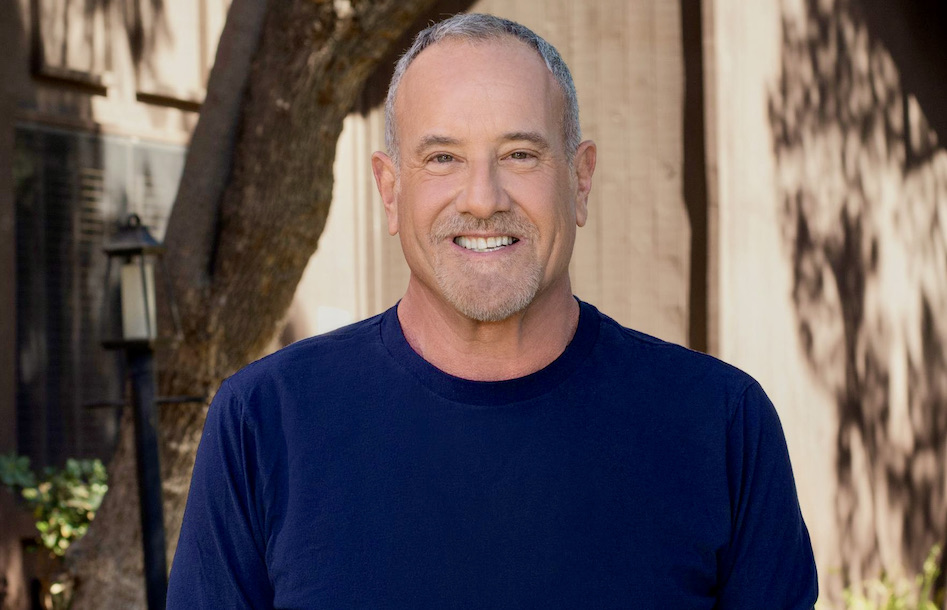
Monica Chun, who would later lead marketing work at PMK*BNC, remembered BNC as her first job after college. In a public tribute, she described Bragman as kind, funny and caring. It is one employee’s recollection, but it supplies a useful detail about a business so often described through rosters and deals: people learned it by working closely with other people.
The corporate structure changed too. Interpublic became BNC’s owner, and its 2003 subsidiary list recorded full ownership. The agency’s expertise could now sit within a much larger communications group. Its relationships still had to be maintained one conversation at a time.
The price on the poster
The Tanqueray contest gives us a visible spending commitment: $10,000 for the grand prize, alongside other prizes and travel provisions. That figure describes a promotional incentive. It should never be mistaken for the agency’s fee or the complete campaign budget.
BNC was a professional-services business. Clients bought strategy and execution, with the agency’s people doing the work. For someone commissioning comparable services, separating those costs is a practical discipline: the team’s time, talent participation, production and audience incentives answer different questions. A large prize says something about the invitation; it says little by itself about the economics of running the program.
Nor does an entertaining campaign establish that the marketing worked. In 2006, BNC chief marketing officer Peter Dang raised the measurement problem at an industry event. His question was wonderfully inconvenient for a room discussing branded entertainment:
“How can you measure a halo?”
Peter Dang · BNC chief marketing officer · 2006
The concern was the glow a brand might acquire by association. A business can count attendance and still struggle to explain a change in preference or sales. The implication for a buyer is straightforward: decide which result matters before approving the attractive part of the idea.
When the relationships left the building
In December 2009, BNC and fellow Interpublic agency PMK/HBH announced their merger. The combined PMK*BNC began operating in January 2010. Nyman, Cindi Berger and Chris Robichaud took leadership roles; Cafarelli became vice chairman. The combination brought entertainment publicity and brand marketing into a larger organization.
But some relationships were already moving elsewhere. Senior PMK/HBH publicists departed as merger news emerged. Clients followed them. The early rupture was at the point where personal loyalty met the corporate plan.
Nyman defended the combination in an interview with TheWrap, emphasizing the stronger corporate, entertainment and sponsorship capabilities. He acknowledged disappointment over departing clients. The argument for scale survived the departures; the departures demonstrated what scale could not guarantee.
For anyone buying or building a services firm, this is the uncomfortable part of the story. An organization can acquire an account roster. Keeping the client may depend on the adviser whose judgment that client trusts. BNC’s experience makes a case for understanding those individual relationships before assuming that a merger preserves them.
What the larger firm could put together
The successor’s campaigns show the combined proposition in action. A 2011 agency review described PMK*BNC’s Samsung Summer Krush Opening Act competition, which offered an unsigned act a chance to open for Kelly Clarkson before 5,000 people. A T-Mobile promotion invited Facebook users to vote for a school or college to win a Weezer concert. Jordan Brand appeared in more than 30 targeted television shows.
These were PMK*BNC assignments, after the merger. Each illustrates a different route to attention: an opportunity for performers, a collective reward for voters, or an appearance inside programming people already watched. They also reveal why a celebrity name alone is an incomplete marketing plan.
PMK*BNC’s insights and analytics offering had grown into a team of its own.
By 2015, the successor was developing audience research through offerings including Fanatomy, alongside a digital division called Vowel. Its Audi work, including the mockumentary Barely Legal Pawn, won industry recognition. The business was investing in understanding audiences as well as reaching them.
The competitive choice consequently went beyond which publicist knew which editor. A client could choose a talent publicity specialist, a branded-entertainment shop or an agency that assembled several capabilities. BNC’s history makes the integrated option legible, while its merger difficulties keep the promise of integration honest.
The reunion, and the useful question
Nyman left PMK*BNC in 2018 and built Acceleration Community of Companies. In explaining that later business, he pointed to an opportunity for a different agency model as client needs changed. ACC organized specialist capabilities around collaboration; a 2022 account described its use of a shared profit-and-loss structure. This was his next company, not a new name for BNC.
- 2010BNC + PMK/HBH
PMK*BNC - 2019PMK*BNC + Rogers & Cowan
A combined agency - 2025Former teams join ACC
PMK Entertainment launches
Agency combinations and a later movement of people; the 2025 step is not a BNC relaunch.
PMK*BNC merged with Rogers & Cowan in 2019. Then, in November 2025, ACC announced that 77 former R&CPMK employees and the majority of its clients were joining its network. Thirty-five people formed PMK Entertainment, led by Berger reporting to Nyman. Other incoming teams aligned with ACC Advisory and DKC.
The useful lesson to copy is smaller than any of those corporate arrangements. Start with what the audience wants. Give the brand a credible part in providing it. Pick a measure that tests the business purpose. And understand whose relationships make the work possible.
This approach depends on an actual overlap between the brand and the audience’s interests. Where that overlap is weak, an expensive entertainment association can remain just that. Back at the beginning of BNC’s story, a band had a reason to send its music. Before commissioning the modern equivalent, a marketer should be able to explain that reason just as plainly.