A limousine says you have arrived. A Prius, in Hollywood in 2009, could say you had thought about how. Ben Bloch was in the business of arranging that second kind of entrance. As a managing partner of Econation, he helped offer chauffeured transportation in hybrid and alternative-fuel vehicles. Toyota was collaborating with the company to make its new Prius available for awards shows and special events. Even the car outside the party had something to communicate.
The detail introduces the founder of Venture Public Relations. Long before his agency was helping technology companies explain themselves, Bloch was selling a service whose appeal depended on what a choice meant to other people. Comfort and reliability still mattered. So did the photograph at the curb. Hollywood had found a way to make restraint conspicuous, which is a very Hollywood achievement.
“You might be surprised how many people prefer a Prius,” he said at the time. The observation had a business attached. A familiar customer wanted an unfamiliar version of a familiar service. Bloch’s career has repeatedly returned to that situation: a change in technology or expectations creates an opening, and someone has to explain why it matters.
The parking problem before the publicity
Econation’s beginnings were less glamorous than an awards ceremony. He and associates had been working in real estate. Helping a green building company raise money led to conversations with people in development and local government. More construction meant more pressure on parking and transportation. In Los Angeles, that is an impressive problem to make worse.
They researched ground transportation and saw an industry ready for change. Econation initially offered hybrid and alternative-fuel limousines, taxis and buses. The sequence matters: property, congestion, research, service. The environmental proposition came with a practical use. Customers still needed to get somewhere, preferably without a lecture from the back seat.
By the 2009 Toyota collaboration, the company’s pitch connected an everyday journey to an unusually visible occasion. The Prius’s optional solar roof powered ventilation fans while the vehicle was parked. It was a specific feature, easy to describe and easy to misunderstand. The car was a hybrid; the roof was no miniature power station propelling it to the Oscars.
That distinction captures a recurring challenge in Bloch’s working world. A technical detail can attract attention, but someone must keep its explanation attached to what it actually does. The promise becomes more useful when the listener can picture it. A cool parked car is easier to understand than a loose claim about the future of transportation.
A corporate vocabulary, put to smaller-company use
Bloch came to entrepreneurship with experience inside large technology businesses. His corporate work included IBM and Sungard Availability Services, with a focus spanning emerging business opportunities, software as a service, cloud computing and digital media. These are fields in which a promising idea has to survive an organization’s purchasing process. An explanation needs to work beyond the room where the product was invented.
He later served as chief marketing officer of CU Wallet, a mobile payments business acquired by CU Solutions Group. He also co-founded Econation, which was subsequently sold. His experience therefore includes the work of selling a business proposition from inside a company as well as advising someone else about it.
Bloch Strategy brought those experiences into a boutique consultancy based in Venice, California. Its offer drew on his work in sales, marketing and chief marketing officer roles. Bloch Holdings became the umbrella for Bloch Strategy and Venture PR. The arrangement puts commercial strategy and communications within the same orbit: how a company earns revenue and how other people come to understand it.
Those tasks overlap without becoming identical. A persuasive description can get a meeting. The business must then deliver something worth buying. Bloch’s mix of operating and advisory roles gives his public career a practical tension. He works on the explanation, but has also occupied positions where explanations meet budgets, customers and execution.
The publicist with a byline
Writing is another substantial part of that career. His work has appeared in Forbes, TechCrunch and C-Suite Quarterly, moving between business, technology and lifestyle subjects. The range is revealing. An entrepreneur’s commercial problem and a reader’s curiosity are different starting points. Writing for an audience requires finding a way into a subject that does not begin with the company’s internal priorities.
One 2018 Forbes headline offered help with publicity while dispensing with the need to marry into the Kardashian/Jenner family. The joke did some useful work. It admitted the awkward desire behind many respectable marketing plans: people would like their business to become famous. Bloch’s accompanying argument connected media coverage to sales, investment opportunities, awareness and digital marketing.
His 2020 CES roundup supplied a different register. There were virtual reality headsets, a Mercedes concept car inspired by Avatar, Sony’s Vision-S and wireless charging technology. The subjects ranged from products to concepts. In a place where every display wants to represent tomorrow, that difference deserves to remain visible.
His CES writing also shows the appeal of the concrete object. Wheels that move in an unusual way, a headset without a PC, a control panel inside a home: these give a reader something to picture. That is more inviting than asking someone to admire innovation in the abstract. Few people have ever rushed across a convention hall to see a strategic adjective.
“Publishers don’t start with what they want to say”
Ben Bloch, on editorial discipline
Who is actually doing the work?
At Venture PR, which he founded in 2017, Bloch has made senior involvement a central part of the offer. The firm emphasizes experienced publicists and a team that includes former journalists. For a founder buying communications help, this addresses a tangible concern: who will turn up after the introductory call, and who will handle the difficult questions?
The agency works across business software and consumer technology. Its portfolio includes rabbit, Lex Machina, Narwal and Audyence. Those names suggest very different assignments. A handheld device needs a demonstration. Legal analytics needs an explanation of what the evidence means. A marketing platform must make its place in a crowded category intelligible to people who already receive too many pitches.
Bloch’s role sits where those assignments begin: deciding how the business should be understood, then organizing the people who can carry that explanation into public. The attraction of his agency’s positioning is straightforward. Experience is part of what the client is purchasing, so experience belongs in the daily work.
He also advises founders outside his own companies. His Alchemist Accelerator mentorship began in May 2019 and covers growth strategy, fundraising, branding, marketing, sales and operations. This is a broad brief, but it fits the path he has taken. Young companies rarely have the courtesy to present their problems one department at a time.
Back on the convention floor
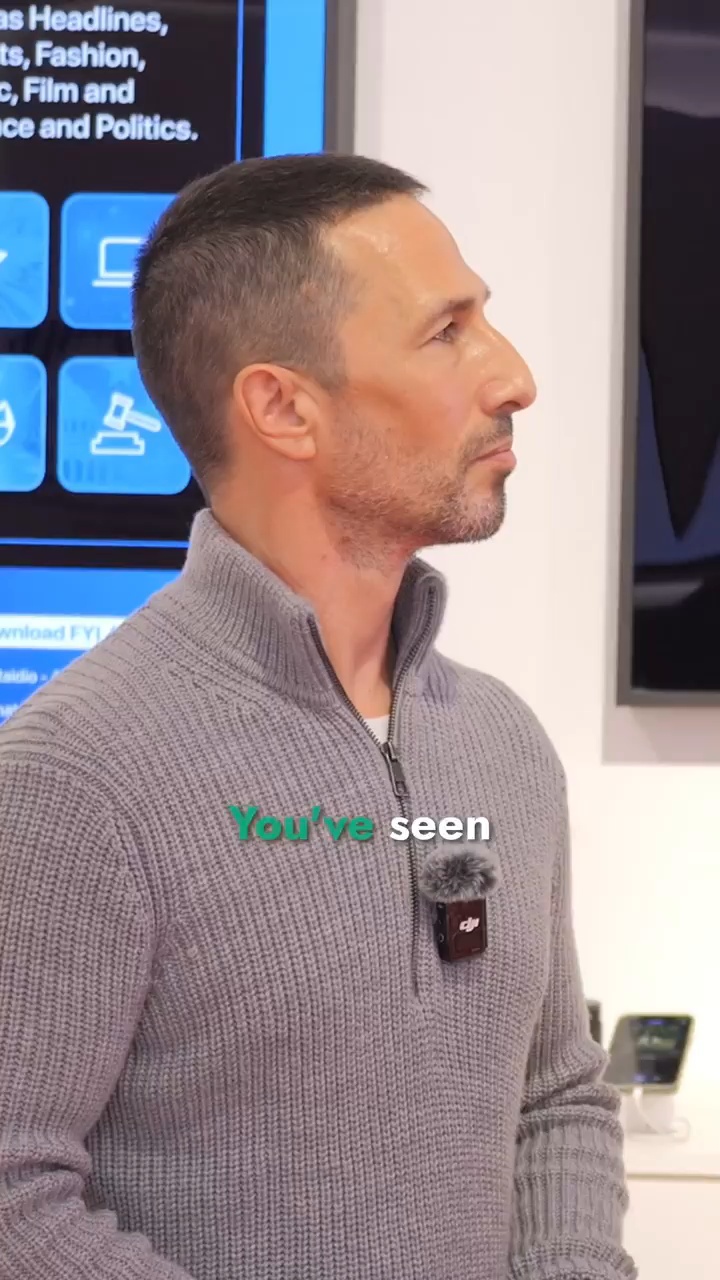
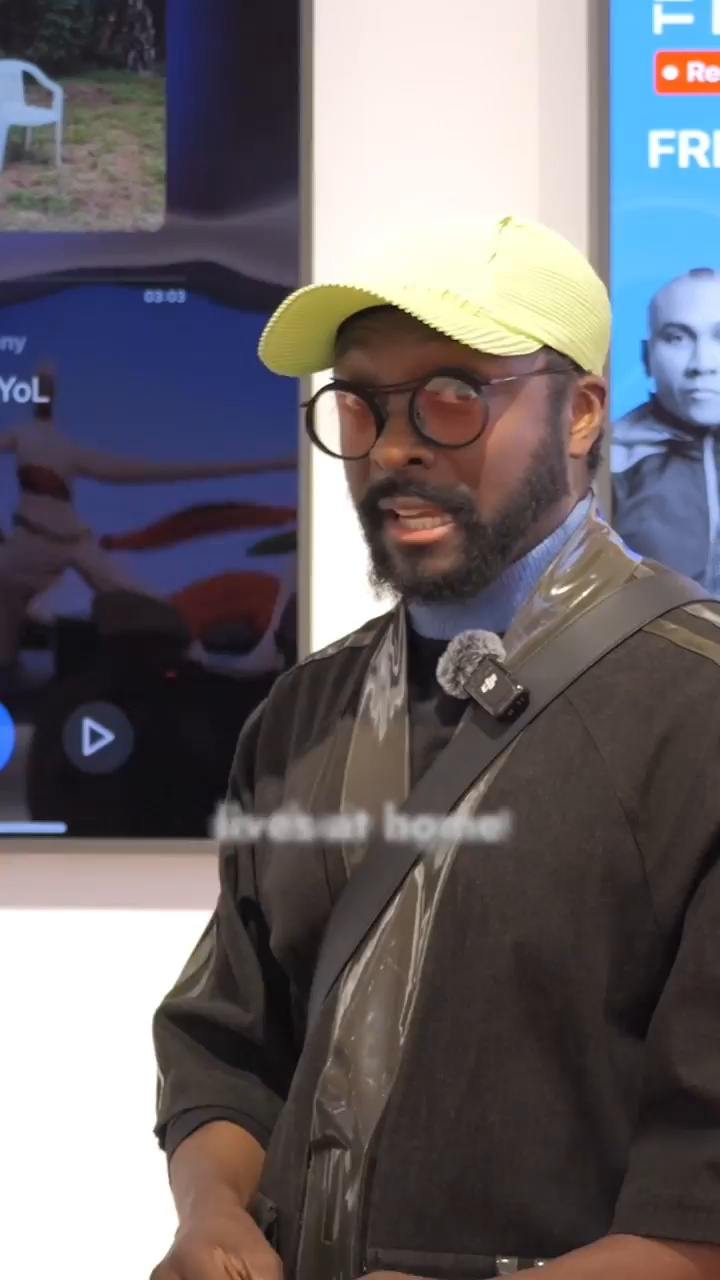
In 2026, Bloch was still working around the moment when technology meets an audience. Venture PR shared his CES conversation with will.i.am about artificial intelligence, human creativity and ethics. The exchange moved beyond a product’s selling points to questions about what people and companies should protect as the technology changes.
In April, he appeared in Audyence’s Demand Innovation series for an episode about rethinking events and attracting an audience. Its emphasis on drawing people in has a pleasing connection to that earlier awards-season business. At an event, getting there and getting noticed are separate logistical problems. Both become easier when someone has considered what the audience actually wants.
His advisory work covers revenue models, positioning and bringing products to market, alongside his writing and mentorship. Seen together, these activities form a career around translating between groups: technical teams and buyers, founders and journalists, a new idea and the person deciding whether to spend time on it.
When the audience needs a new career
His newer venture, Humanarc AI, extends that interest toward people navigating changes in work. Using the name Ben Roc, he is its founder and CEO. The company combines career assessments, AI tools and reskilling programs, with the stated aim of helping people find a way forward as technology changes the demands of employment.
Humanarc’s FuturePath uses U.S. Bureau of Labor Statistics employment projections for 2024-2034 and O*NET occupational data. That makes the project a different kind of communications assignment. The person on the receiving end needs to understand possible work, the skills involved and a plausible route toward it. Reassuring language alone cannot supply those things.
Its ambition also brings an old theme into a new setting. Econation offered customers a different way to make a necessary journey. Humanarc proposes routes through a changing labor market. The comparison has limits, but both begin with people facing a practical decision inside a much larger technological shift.
For Bloch, the next question is larger than how a company introduces itself. His newer work asks how people find a place in the future those introductions keep promising. It is an ambition expressed through a business, with the same obligation his earlier businesses faced: make the proposition useful to the person who has to choose.
The Prius at the curb remains a fitting opening image. It was an ordinary object doing an unexpected job, carrying a message without requiring anyone to memorize a slogan. Across Bloch’s ventures, the interesting work happens at that point of contact: where a new possibility becomes a decision someone can actually make.