Yespress // The Profile
Amrit Rao
A Stanford biologist who picked stocks for a decade, then ran a furniture factory, and now writes the first checks into companies you haven't heard of yet.
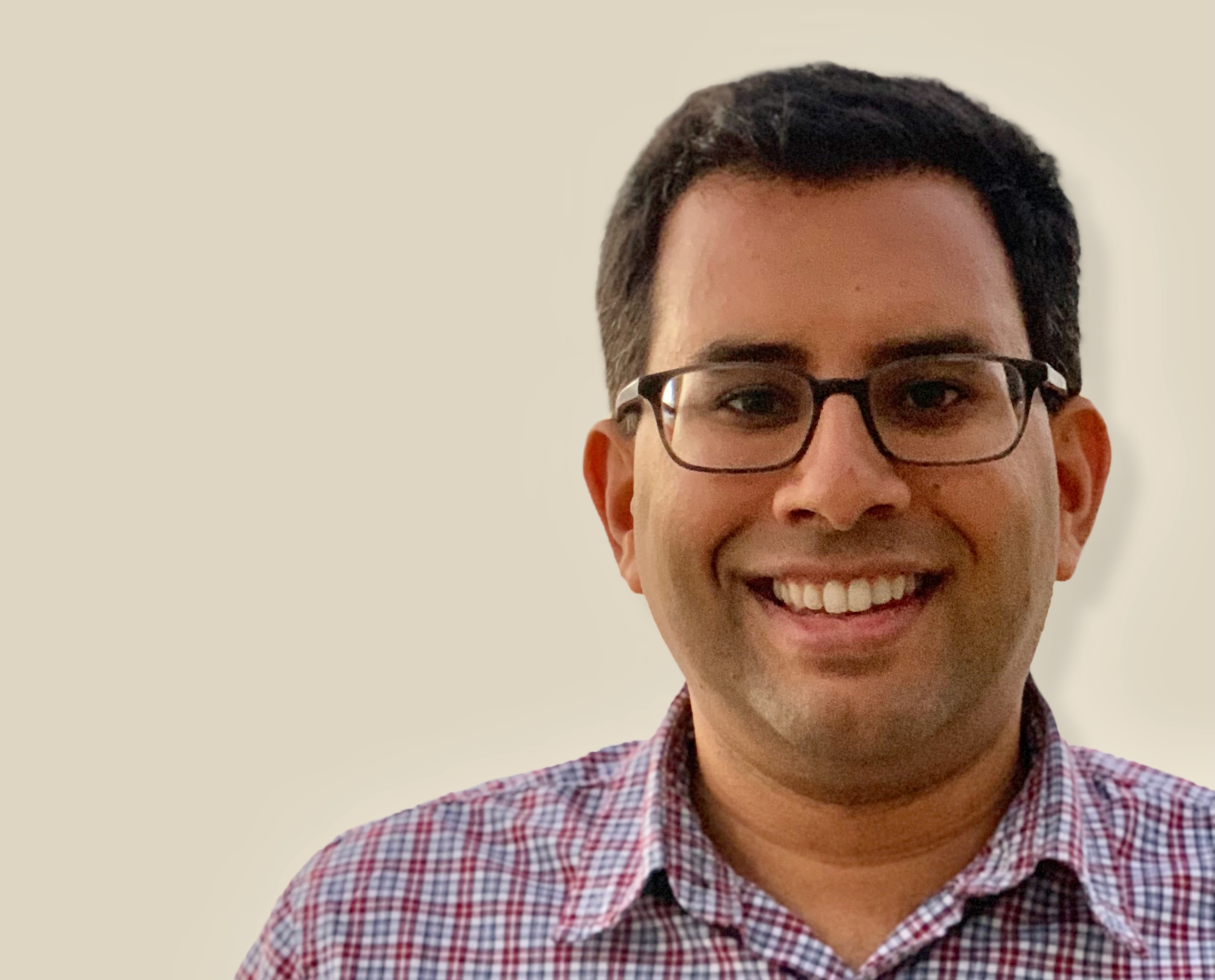
FILE PHOTO // VILLAGE GLOBAL HQ
A Stanford biologist who picked stocks for a decade, then ran a furniture factory, and now writes the first checks into companies you haven't heard of yet.
On a given Tuesday, Amrit Rao might be deconstructing a YC pitch deck, recommending the Bhagavad Gita to a first-time CEO, or telling a furniture story that ends with a lesson about supply chains. He is a General Partner at Village Global, the early-stage venture firm whose limited partners read like a tech-industry guest list - Reid Hoffman as chairman, Jeff Bezos and a network of luminary backers behind it. The firm writes checks of roughly $500K to $3M into pre-seed and seed rounds across consumer, software, fintech and health. Rao does this work the way he has done everything else: by triangulating.
The triangulating started early. As a high schooler and undergraduate, he co-authored research papers in computer graphics and computer-assisted surgery at the Stanford / NASA National Biocomputation Center, the kind of teenage extracurricular that usually sends a person headlong into a PhD. He went the other way. He took his Stanford degree in biological sciences and walked into the CSFB Technology Group as an M&A analyst, where he ended up working on the deal that put YouTube inside Google. Then he spent twelve years on Wall Street, investing across affiliates of Starboard Value, Tiger Management, T. Rowe Price and Golden Gate Capital.
Most career arcs end there. Rao's took a hard left into hardware. He co-founded Made & Modern Furniture and ran it as CEO, building software-driven advanced manufacturing for custom furniture. The work was, by his firm's own admission, the part of his resume that founders care about most. Not the Stanford line. Not the YouTube line. The part where he had to raise money, hire people, ship a physical product and lose sleep about cash. Village Global calls this combination - the analyst brain and the operator's bruises - his most useful asset.
Co-author on research papers in computer graphics and computer-assisted surgery. A teenage entry on the CV most people would put at the top.
Studies biology, prepares for life as a scientist, becomes a Wall Street analyst instead.
Works on the team that advises Google on the YouTube acquisition. Receives a front-row seat to a defining deal of the 2000s internet.
Positions at affiliates of Starboard Value, Tiger Management, T. Rowe Price and Golden Gate Capital, covering tech and consumer.
Builds an advanced-manufacturing startup that uses software to make custom furniture. Raises money, hires, ships product, collects the battle scars he now offers to other founders.
Joins the firm. Embeds into the founder network. Writes early-stage checks alongside Reid Hoffman, Anne Dwane and Ben Casnocha.
Village Global elevates him into the leadership group, citing his analytical intelligence, emotional intelligence and founder battle scars.
Village Global's bet on Rao is a bet on a specific kind of investor: one whose own resume disqualifies easy categorization. Biologist. Banker. Builder. Backer. Each role taught him a different language, and he uses all of them on the same Zoom.
A rough sketch of where Rao has put his hours - science, banking, public markets, founding, and now venture.
He recommends The Bhagavad Gita: A Walkthrough for Westerners and The Power of TED* as transformative reads. Both are about reframing how a person carries themselves under pressure.
By his own description: connecting disparate concepts and genuinely celebrating others' success. Two skills that sound soft until you watch a portfolio CEO need both at once.
A San Francisco Bay Area native funding the next wave of Bay Area founders. The geographic loop runs from Stanford labs to Wall Street to a Mission-adjacent factory and back to a Village Global desk.
Early in his career at CSFB Technology Group, he worked on M&A advisory for Google's acquisition of YouTube - one of the defining tech deals of the 2000s.
Made & Modern Furniture used software and advanced manufacturing to produce custom pieces. Hardware, software, and a supply chain - the trifecta of things that humble investors.
Reading, traveling, running, time with family. Standard, unflashy, and offered without performance.
Village Global, in its own welcome note for Rao's promotion, made the case in plain language: founders found his "battle scars from raising lots of venture money, hiring, shipping product, etc., as an entrepreneur" the thing that translated into practical wisdom. The phrase is doing work. Lots of investors have run a startup. Fewer have run a hardware startup that depended on a real factory and real units sold. Rao did, at Made & Modern. The lessons of that period are less about furniture and more about the gap between a slide that says "we'll scale" and a Monday morning that says "the truck is late."
That gap is where his investing voice lives. Before the furniture company, his twelve years of public-market investing trained him to read companies in spreadsheets - what a P&L hides, what a balance sheet promises, how a story breaks. After Made & Modern, he can read the same companies as operators do - the hiring plan, the founder's exhaustion, the customer who almost churned. The Stanford biology background sits underneath all of it as a reminder that systems are messy and rarely obey first principles. Cells, markets, factories: none of them care about your model.
His investing scope at Village Global tracks the firm's: pre-seed and seed, generalist, global, with checks from roughly $500K to $3M. Sectors include consumer, SaaS, fintech, digital health and emerging tech. Village's edge has always been its founder network - LPs and advisors who are themselves founders, operators and investors at the top of their fields - and Rao's job is to plug new companies into that network early. The firm runs founder retreats, masterclasses, peer groups, curated dinners and roundtables. He is one of the connective tissues in that machine.
A different investor might have built a narrower brand around a single sector. Rao didn't. He built a personal brand around versatility, which is harder to market but easier to be useful at. When a portfolio CEO needs help reading a pitch from a strategic acquirer, the M&A analyst answers. When the same CEO needs to think about hiring a head of operations, the founder answers. When the same CEO needs perspective at midnight before a board meeting, the Bhagavad Gita reader answers. Most investors specialize. Rao stacks.
The stacking has roots. Co-authoring research papers in high school is a particular kind of childhood - one that prizes earnest curiosity over polish. The choice to go to Wall Street after a biology degree is a particular kind of pivot - one that says credentials are tools, not destinations. The choice to leave a comfortable public-market seat to make custom furniture is, by any honest reading, a strange one. It is the kind of move a person makes when they trust their curiosity more than their resume. The fact that he then re-entered venture and made partner inside five years suggests the trust paid off.
What he funds will, over time, define him more than any of this background. The early portfolio sits inside Village Global's broader sheet, which has touched companies across consumer internet, healthtech, fintech and the long tail of SaaS. The interesting question isn't which logo he claims. It's which founder will, five years from now, say that an early call with him changed the slope of their company. Investors are remembered by founders, and founders remember the people who picked up the phone when nobody else did.
Rao's quote about making a dent in the universe is borrowed language, of course. Steve Jobs put it in the culture decades ago. But the borrowing is honest. It signals what he is actually trying to do: spend the second half of a career amplifying other people's swings. The Stanford lab, the YouTube deal, the public-market book, the furniture factory - all of that was the first half. Backing founders is the second. The two halves rhyme more than they look.
There is also a temperamental note worth making. Both phrases he uses about himself - "intellectual curiosity" and "celebrating others' success" - point to the same disposition: low ego, high attention. Investors with that combination tend to age well. They don't burn founders. They don't take credit for wins they didn't underwrite. They get re-upped by LPs because they don't make the firm about themselves. Village Global, which is structured to be about its network rather than its individual stars, suits him perfectly.
Watch for him in the seed rounds of companies that don't fit neatly. He has, after all, never fit neatly himself.