Now Indexing
Alex Hartz - General Partner, Shine Capital Caltech, applied physics Eight years at SciFi VC Seed and Series A, $1M-$10M Fintech, deeptech, applied AI Based in San Francisco Shine Capital - 100 Crosby St, NYC Alex Hartz - General Partner, Shine Capital Caltech, applied physics Eight years at SciFi VC Seed and Series A, $1M-$10M Fintech, deeptech, applied AI Based in San Francisco Shine Capital - 100 Crosby St, NYC
YesPress / Profile / Investor

Alex
Hartz

Reads a balance sheet the way a physicist reads a field equation. A General Partner at Shine Capital, writing seed and Series A checks where hard sciences and hard finance overlap.

Role  General Partner
Firm  Shine Capital
Based  San Francisco
Trained  Caltech
Filed - Profile No. 042
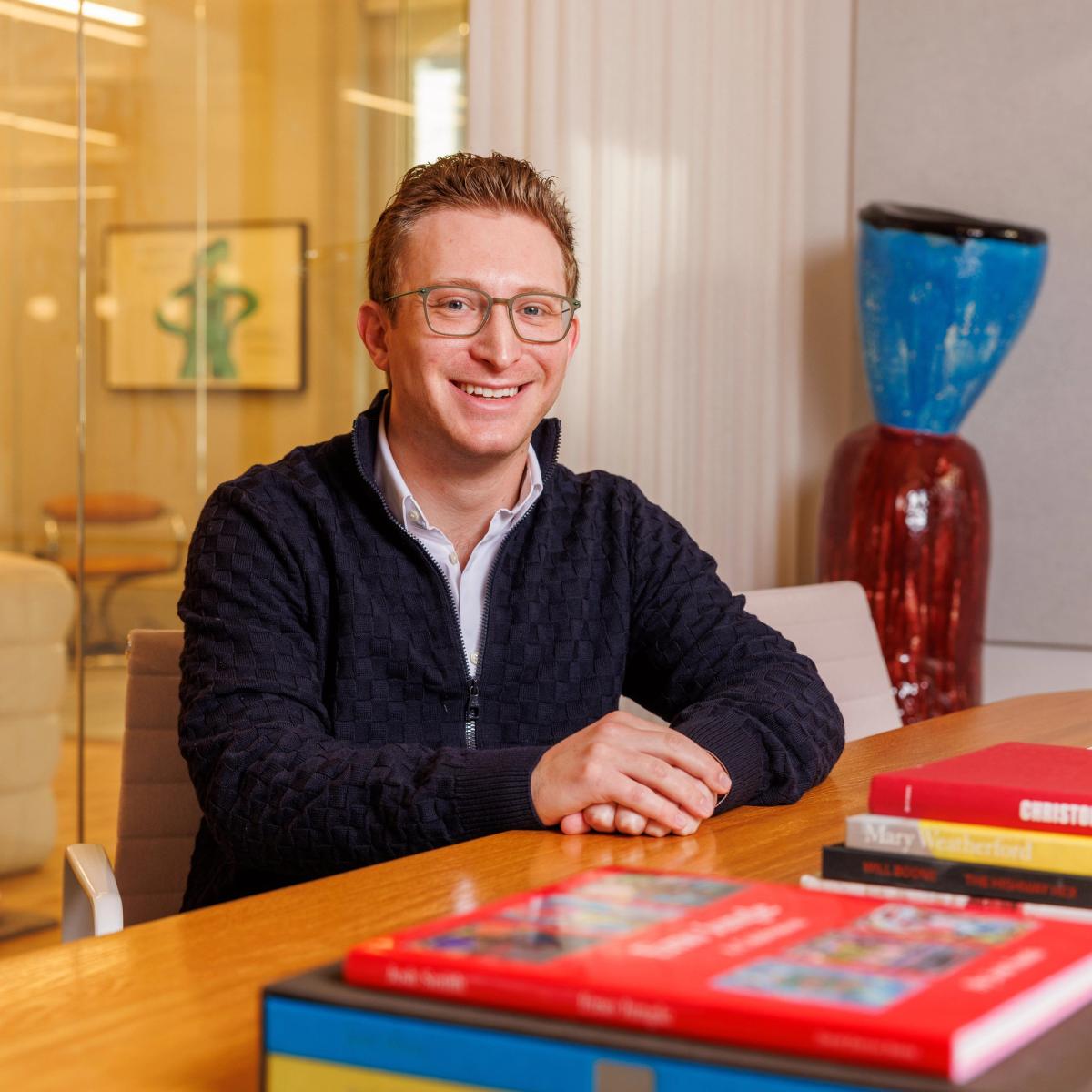
Alex Hartz, General Partner at Shine Capital
"He showed up to a fintech pitch with a photonics textbook in his bag."
The Lead

The applied physicist who decided the next great instrument was a term sheet.

Alex Hartz spends his days underwriting startups that are technically difficult to build and unromantic to explain. Embedded lending. Credit infrastructure. Energy. Biology. Applied AI poking at structured data nobody wanted to clean. He is a General Partner at Shine Capital, the New York seed-stage firm founded by former Spark Capital general partner Mo Koyfman, sitting on roughly $435M across three funds since 2020. Hartz works out of San Francisco. The pitches still find him.

If you have ever raised a round, you know the type of investor who asks the question that exposes how thin your story is. Hartz is closer to the type who asks the question that reorganizes the whole pitch. Founders who have met him describe a quiet, technical patience, equal parts skepticism and curiosity, and an unusual willingness to spend a Tuesday afternoon on a problem most VCs would diligence in twenty minutes.

His firm calls itself a generalist seed practice with an obsession for technology and culture. Hartz fits the technology half with unusual literalness. He came up at SciFi VC, the Max Levchin-founded firm where eight years of doing the work made him a partner. In June 2023 he left to help build Shine's next chapter as a GP. The move was treated, in the small world that pays attention to such moves, as a quiet vote of confidence in the firm's bench.

What does an applied physicist see in a credit memo? The same thing he saw in a photonics paper - signal, noise, and a system that quietly betrays its assumptions. - YesPress, on Alex Hartz
The Numbers

A career measured in funds, years, and small numbers of big bets.

$435MShine AUM (approx)
3Funds since 2020
8Years at SciFi VC
17People at Shine

Shine Capital is small by design. A few partners, an outsized address book, and a willingness to write the first check into companies whose business models are still being invented. Hartz is one of the people responsible for deciding which of those companies are worth being early on.

The Work

Where Hartz spends his checks.

01 - Fintech infrastructure

Embedded lending and credit

Years of pattern-matching at SciFi VC turned into a thesis: legacy credit systems are slower than the software that wants to sit on top of them. He likes the founders rebuilding the plumbing.

02 - Applied AI

Data structuring problems

The unglamorous part of AI - cleaning, structuring, and routing data so models can do something useful with it. Less about chatbots, more about pipelines.

03 - Hard sciences

Energy, biology, deeptech

Caltech instincts die hard. He reads founders building in energy and biology the way an old colleague might read a graduate thesis - line by line, hunting for the load-bearing assumption.

04 - Marketplaces

Earnings and independence

Platforms that let workers earn more and depend on fewer middlemen. Less about the gig economy, more about the wiring underneath it.

05 - Web3, selectively

Useful crypto, not vibes

Open to crypto when the use case stops being self-referential. The bar is high; the curiosity is real.

06 - Enterprise SaaS

Boring, important, sticky

The kind of software a CFO pays for without complaining. Hartz is comfortable with unglamorous categories that compound.

The Arc

From a photonics bench to a Crosby Street fund.

  • Earlier
    Studied applied physics at Caltech. Hands-on photonics research.
  • 2017
    Joined SciFi VC as Partner. Early-stage fintech, marketplaces, science.
  • 2017 - 2023
    Eight years of pattern-matching at SciFi, building a thesis around credit infrastructure and embedded lending.
  • June 2023
    Joined Shine Capital as General Partner. Stayed in San Francisco; firm sits in NYC.
  • Today
    Writing $1M-$10M checks into seed and Series A across fintech, deeptech, AI.
Sector Conviction - estimated mix
FintechHigh
Applied AIHigh
DeeptechMed-Hi
EnterpriseMed
MarketplacesMed
Web3Selective

Editorial estimate based on public investing footprint and stated interests, not a portfolio breakdown.

Stage Focus
Pre-SeedActive
SeedCore
Series AActive
LaterRare
The Thesis

Why technical founders find him first.

Most seed investors approach hard tech by squinting. Hartz approaches it by reading. The Caltech years left him with a usable, slightly unfair advantage. He can sit through a pitch about photonics, materials, or low-level credit decisioning and tell which assumptions are doing all the work. That is the kind of legibility founders building technically complex financial products are quietly desperate for.

His check-writing range, between $1M and $10M, lets him lead seed rounds or anchor Series A's without crowding founders. He is comfortable writing the first check, less comfortable writing it before there is something to look at. Founders describe his diligence as conversational rather than performative - more questions than answers, more curiosity than theatre.

Shine, as a firm, leans into the phrase "technology and culture". Hartz handles the technology end without abandoning the cultural one. He reads the same trends as everyone else but doesn't let the trend tell him what the bet is. The pitch that wins his attention tends to start with a structural problem and end with a small, sharp idea about how to dismantle it.

Notable early bets in his SciFi era included companies like AccessOS and Peach Finance, both of which sit downstream of the same conviction: financial infrastructure is software waiting to be rewritten by people who actually understand what runs on top of it. That conviction did not change when he changed funds. It compounded.

Scrapbook

Things you would only know from being in the room.

Field NoteSpent his entire venture career at exactly two firms. That is rarer than it sounds.
Margin NoteCaltech first. Capital later. Most VCs do this in the opposite order, if at all.
PostcardLives in San Francisco. The fund lives on Crosby Street in NYC. The pitches travel.
The Quiet Part

What gets missed about Alex Hartz.

There is a temptation, when describing a Caltech-trained VC who invests in fintech, to make him sound like a quant in a partner's chair. He is not that. He is closer to a generalist with one usefully specific tool. The applied physics training shows up less as math and more as patience for systems that look messy from the outside and resolve into structure on closer inspection. A credit system. A photonics rig. A founding team's psychology under pressure. The same instincts apply.

He is also, by reputation, a low-key operator in a profession that rewards volume on the internet. He does not run a podcast. He does not run a newsletter. His Twitter handle exists, but the substance lives in private conversations with founders who would rather sit with a hard problem than tweet about it. In a world of investors performing taste, Hartz is closer to one quietly assembling it.

That restraint matters when you understand how Shine works. The firm has built a reputation, fund by fund, on backing companies that look idiosyncratic on entry and structurally important on exit. Plaid was an idiosyncratic bet. Warby Parker was an idiosyncratic bet. Mo Koyfman built the firm on the belief that long-term partnership and unfashionable conviction compound faster than reaction does. Hartz, in temperament, fits that.

If you put the pieces together - Caltech, eight years of repping, partnership-track at SciFi, a GP seat at Shine - what you get is not a profile of a hot investor. It is a profile of a slow, deliberate one, in a category that rewards exactly that. Founders working at the edge of finance and physics will find him. The rest of the venture market will probably notice him second.
The pitch that wins his attention tends to start with a structural problem and end with a small, sharp idea about how to dismantle it. - A working definition of Hartz's filter
The Firm

Shine Capital, in one paragraph.

Shine was founded by Mo Koyfman, formerly a General Partner at Spark Capital, where he led landmark early investments including Plaid and Warby Parker. Since 2020, Shine has raised about $435M across three funds. The firm is small by intention - roughly 17 people - and the pitch to founders is uncomplicated: long-term partnership, conviction at the edges, and a real address book when it is time to introduce you to your next ten hires or your next round's lead. Hartz joined as a General Partner in 2023.

The Index

Where to find him on the internet.

Share the file

Send this to a founder who needs it.

LinkedIn Twitter / X Facebook Instagram

Profile compiled from public sources. Last updated 2026.