He started an oil company obsessed with the part most operators dread - the ending. And then he made the ending the whole point.
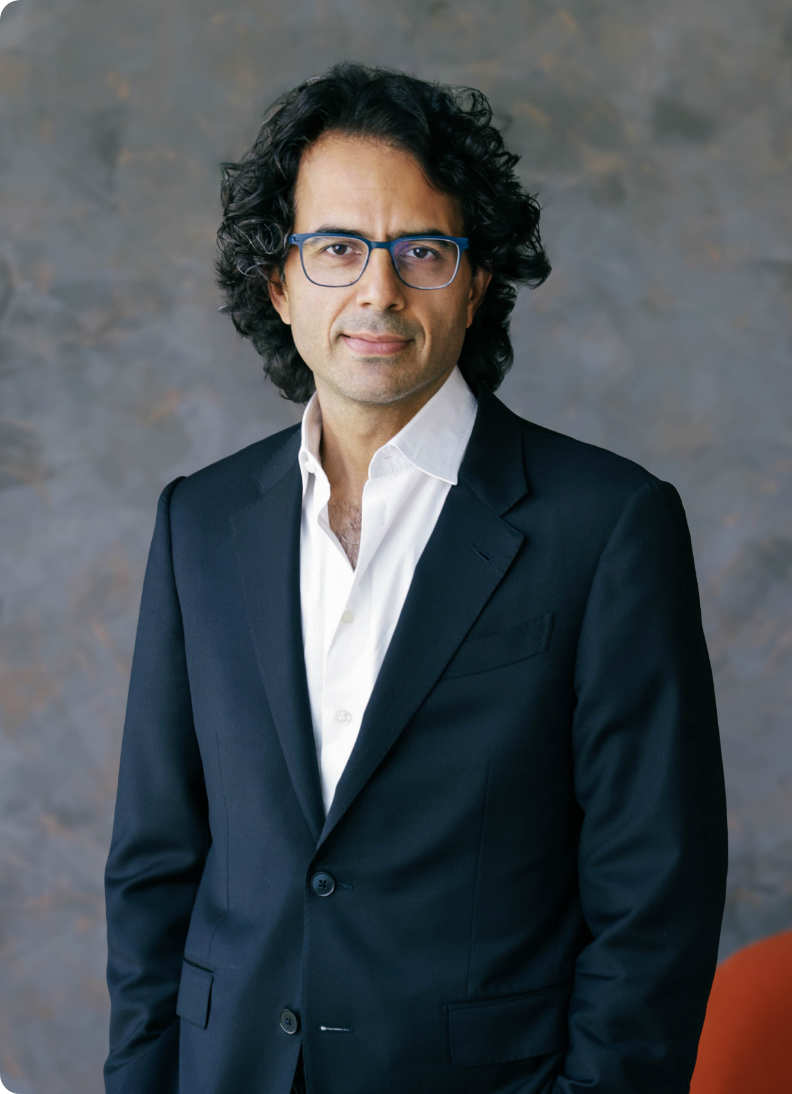
Aditya Singh. The undertaker with a spreadsheet and a conscience.
Most of the oil and gas industry is built around the beginning. The discovery. The first flow. The press release with a number that ends in million. Aditya Singh built Promethean Energy around the other end - the part where a field gets old, the production curve flattens, and somebody has to decide what to do with steel that has been standing in salt water for thirty years.
His answer is unfashionable and oddly logical: do it on purpose, do it well, and charge for it. Promethean is an oil and gas operator with an integrated grip on the full arc of an asset - development, production, and then the unglamorous finale, decommissioning. Singh founded the company to redefine how mature assets are managed, and he runs it from Houston, the city where the industry keeps its head office.
Promethean Decommissioning Company, the business unit doing the heavy lifting, is currently operator of ten leases in the Gulf of Mexico. The pitch to other oil companies is plain - hand us your tired infrastructure and we will retire it on a timeline you can predict, with a smaller environmental footprint and a smaller bill. In an industry that treats cleanup as a cost center, Singh treats it as the product.
Thousands of late-life fields have to be put to bed responsibly - in a safe and cost-effective way - to transition from oil and gas.
There is engineering under the philosophy. Singh came up through process engineering and completion techniques, with stops that include Total, and he holds an MBA from MIT. That combination - someone who can read a completion design and a balance sheet in the same afternoon - shows up in how Promethean picks its work. The company chases producing fields with development upside, subsea tiebacks, and seafloor boosting to existing infrastructure, plus greenfield plays on marginal and stranded resources that bigger operators walk past.
The name is not an accident. Prometheus is the Titan who stole fire and handed it to humanity. Singh built a company around what happens after the fire - and whether the embers can be turned into something cleaner.
Plug and abandon orphaned and late-life wells with drone inspections, diagnostics, and a focus on safety - delivered on a predictable schedule and a minimized emissions footprint.
Take over mature fields others have written down and squeeze remaining value through disciplined operatorship and tight cost control.
Subsea tiebacks and seafloor boosting connect marginal and stranded resources to existing infrastructure - turning skipped barrels into produced ones.
With the University of Houston, repurpose decommissioned platforms for carbon capture, offshore wind, and hydrogen - aiming to be the first operator to do it in the Gulf.
Promethean runs an asset-light model: it builds alliances rather than buying fleets. Strategic agreements with Subsea 7 and Enpro Subsea extend its reach into deepwater Gulf of Mexico work.
Redefining the industry's approach to resource management and environmental stewardship.
Roles spanning process engineering and completion techniques, including time at Total - learning to read field development with precision before learning to finance it. MBA from MIT.
Singh builds an integrated operator to develop, produce, and decommission mid- to late-life assets - cost-effectively and sustainably.
A strategic alliance on deepwater Gulf of Mexico projects signals the asset-light, partnership-driven model.
Jim Christie - the first Head of Decommissioning for the UK's North Sea Transition Authority - and Alex Moody-Stuart, a 30-year Schlumberger veteran, join the PDC advisory board, importing North Sea discipline to the Gulf.
A memorandum of understanding advances the Repurposing Offshore Infrastructure for Clean Energy collaborative - positioning Promethean to be the first ROICE operator of a repurposed Gulf facility.
April: orphaned wells at Matagorda Island decommissioned safely and ahead of budget. May: a $2M seed round closes.
The company is named for Prometheus, who gave humans fire. Singh built his business around what to do after the fire goes out.
His leadership bench reads like a decommissioning all-star team - drawn from Schlumberger, Marathon Oil, and Britain's offshore regulator.
Promethean wants to plant wind turbines, hydrogen plants, and carbon-capture kit on the same platforms it once helped pump oil.