In September 2010, a rock band decided to return for four nights because one night had not been enough. Remy Zero had played together in New Orleans that May, their first performance in eight years, to remember their drummer Gregory Slay. Slay had died on New Year's Day from complications of cystic fibrosis. The concert was meant as a tribute. Instead, it produced something the surviving members had not quite anticipated: joy, healing and a demand for another gathering.
So there would be four more. Portland. Seattle. San Francisco. Los Angeles. At the bottom of the announcement sat the practical machinery behind the story: interview requests, press materials, a phone number and Annissa Lee Mason of A Little Bird Told Me PR.
This is the most useful way to understand the little Los Angeles firm. Not by counting offices or admiring an awards cabinet, but by looking at the assignment. A Little Bird Told Me PR described itself as a boutique entertainment media-relations company, founded in 2010, creating campaigns “of all size and shape.” The phrase could be boilerplate. The Remy Zero announcement shows its more interesting meaning.
The story was already inside the event
A lesser pitch might have led with the obvious line: cult rock band reunites. That is a serviceable fact and a forgettable story. The announcement led instead with the late drummer and the emotional result of the New Orleans show. The additional dates existed because the first gathering had changed the band. Promotion followed motive.
Then came the map. The cities were not a routing spreadsheet disguised as destiny. They were chosen because Slay had family, friends and fans there. Each stop supplied its own answer to the question every editor silently asks: why here? Finally, the release pointed forward. The band expected to offer at least one new or unreleased song. Memory supplied the heart; music supplied the news peg.
A story with four addresses / October 2010
“Tailor-made” matters only when the shape of the campaign could not comfortably belong to somebody else.A Little Bird Told Me PR, translated from positioning into practice
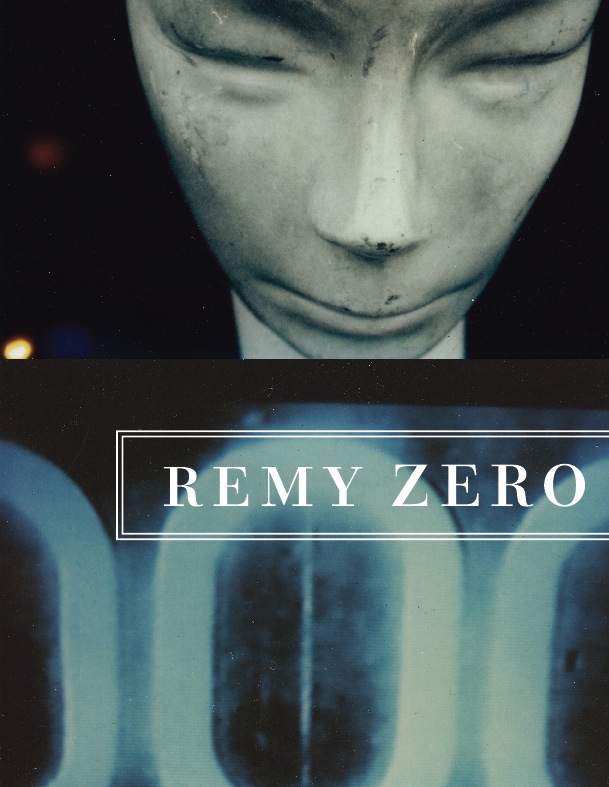
The product was judgment
Public relations is one of those businesses whose visible output makes the invisible work look easy. A press release is a page. An interview is a conversation. A listing is a few lines. Behind them is a sequence of judgments: which fact leads, what language an artist can credibly own, which outlet has a reason to listen, when to pitch and when to leave the story alone.
That is what A Little Bird Told Me PR sold. The firm's public description names media relations, tailor-made campaigns and integrated media strategy. In ordinary language: shape the announcement, coordinate the message, connect the right reporter to the right person and keep the artist recognizable through the process. Its customers were artists and “visionaries,” a slightly foggy word that becomes clearer beside a band reassembling around a lost friend.
The business model was almost certainly the familiar agency one: expertise and labor sold through projects or retainers. There was no public menu and no posted price. That absence is appropriate. A campaign for four memorial concerts is not meaningfully comparable to a release campaign, an awards push or a standing press office. The cost depends on the work, and the work begins with what is actually happening.
Smallness can be a feature
LinkedIn places the company in the two-to-ten employee bracket, although more profiles have become associated with the page over time. Either way, this was not an industrial communications machine. It sat in a market between the artist doing everything alone and the large entertainment agency with departments, reporting layers and a roster that can turn intimacy into a scheduling problem.
The advantage of the boutique is not that it possesses secret journalists. Reporters generally dislike being treated as entries in somebody's proprietary database. The advantage is proximity. Fewer people stand between the publicist and the artist. The language can be adjusted before it hardens. The odd detail that makes a story live is less likely to be sanded off by committee.
The disadvantage is equally plain. A small shop cannot manufacture news, and it cannot promise that feeling will become coverage. The Remy Zero structure works because all three parts were real: loss, a geographically meaningful reunion and music listeners had not heard. Remove that substance and the method becomes theater. No amount of tailoring rescues an event that has no reason to exist.
- Write the human reason for the announcement in one sentence before touching the media list.
- Make every location, collaborator or date answer a genuine “why this?” question.
- Add a present-tense news peg that supports the story instead of competing with it.
- Keep the pitch small enough to remain true when it reaches the headline.
A campaign that survived its agency
There is a final, slightly mischievous lesson here. Agency sites age badly. Social accounts disappear. Staff scatter. Grand claims about “disrupting the conversation” survive mostly as expired domains. Client work has a different half-life. Remy Zero's official press page still carries the firm's name, email and phone number beside the announcement. The artifact outlasted the self-promotion.
That makes A Little Bird Told Me PR both difficult to research and easy to grasp. Its mission was to create an integrated media strategy reflecting each client's commitment and style. The best surviving evidence does exactly that. A band returned because a memorial had opened a door. Four cities gave the feeling somewhere to go. An unreleased song gave the press something new to hear. The publicist made the pieces legible.
For founders, artists and independent teams, this is the copyable part. Do not begin by asking how to get covered. Begin by asking what changed, who felt it and why the next action follows. If the answers connect, publicity has material to work with. If they do not, the campaign is early - or the event is empty. A little bird can carry a story. It cannot invent the reason anyone repeats it.