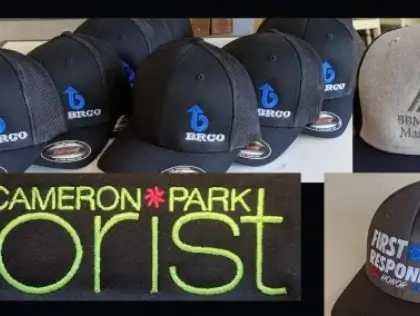
There is a particular kind of order that reveals what a business is really built to do. It is not the glorious thousand-shirt run, with its tidy spreadsheet and forgiving economics. It is the single embroidered cap. The logo arrives as a fuzzy image. The customer needs it soon. The cap must look respectable because it will be worn every Tuesday for years. For a large print-on-demand operation, this is friction wearing a hat. For 5 Star Apparel, it is an invitation.
The company sits in Shingle Springs, in California’s El Dorado County, where the foothills begin east of Sacramento. It started as 5 Star Embroidery in 1995 and later widened its name and its counter: embroidery remained, but screen printing, custom patches, letterman jackets, workwear, bags, and an online apparel catalog joined it. The model now spans the local and the digital. A person can walk in, make an after-hours appointment, upload artwork from somewhere else, request delivery, or have an order shipped.
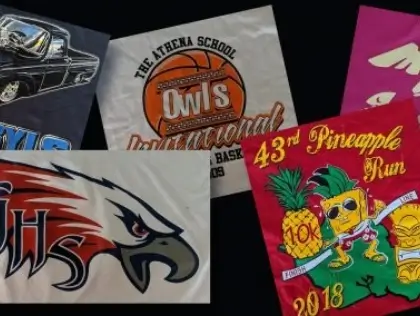
The business sells fewer surprises
A custom shirt appears to be a product. In practice, it is a bundle of decisions. Which garment? Which decoration method? How many colors? How large should the mark be? Will that tiny lettering survive embroidery? Is a patch better than direct stitching? Can it arrive before the tournament? The cloth is the visible object, but uncertainty is the problem being purchased away.
5 Star Apparel’s four-step process is ordinary enough to be useful: send the art, choose materials and details, approve the job, then collect or receive it. The important word is choose. Customers are not only buying machine time. They are borrowing judgment from people who know that a complicated emblem may need digitizing, that screen printing becomes more economical at volume, and that a patch border changes what shapes are possible.
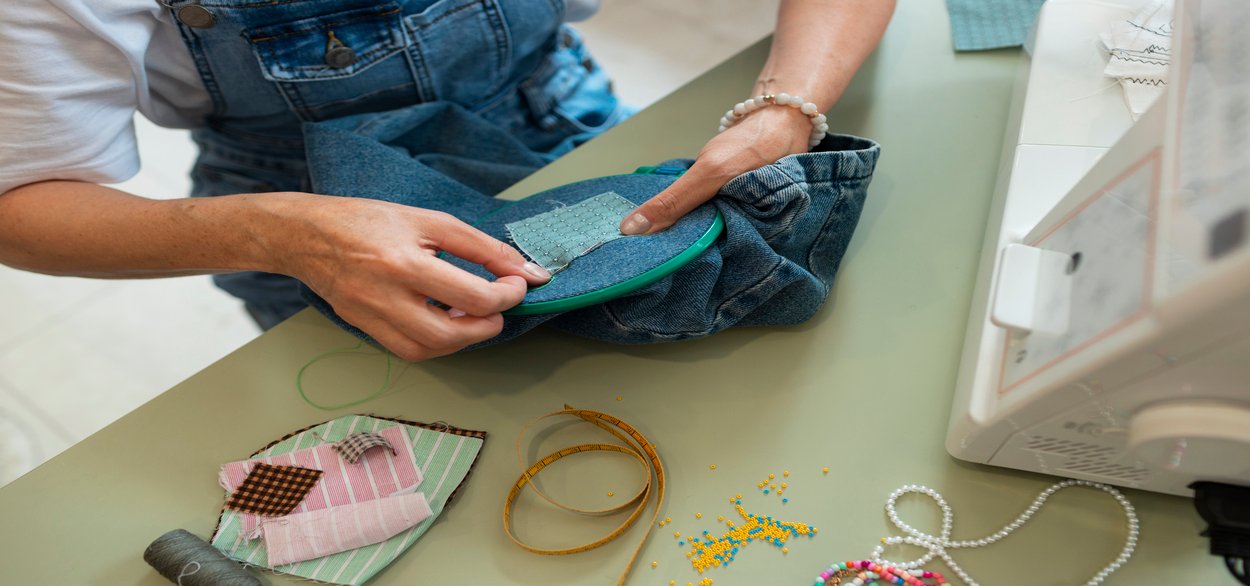
The website does not pretend every cost can be reduced to a cheerful instant total. Its store lists garments, while customization and shipping details may be confirmed with the team. Larger screen-print orders can receive published bulk savings of up to 51 percent. Small orders sacrifice that scale economy but retain access to the service. That trade is legible: quantity buys efficiency; conversation buys confidence.
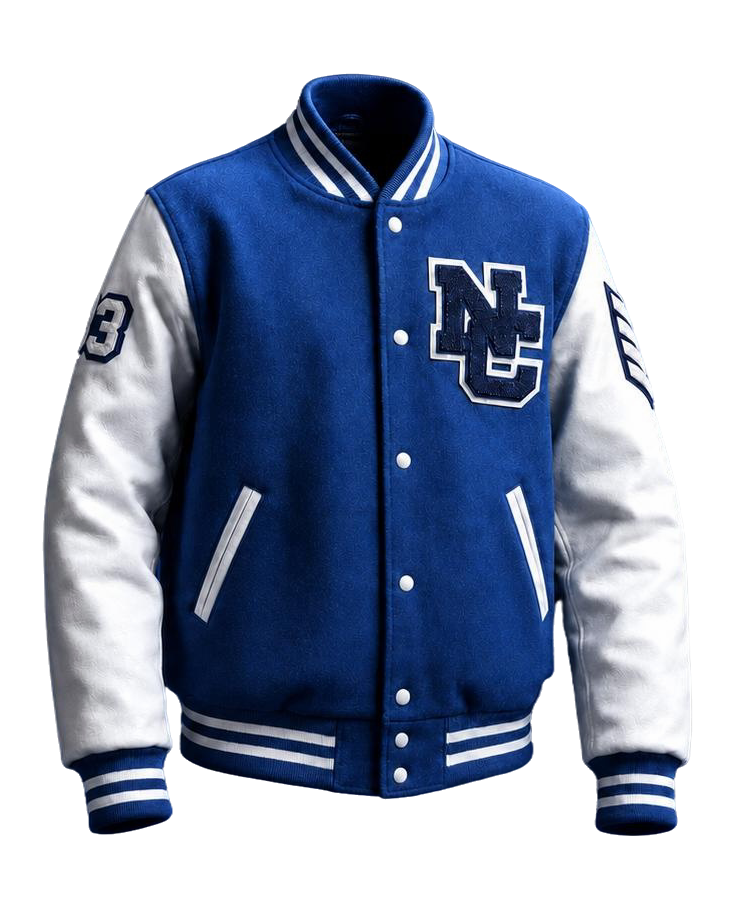
“A letterman jacket tells a story. It represents the time, effort, and commitment a student invested to reach a goal.”Anna Freeman, owner
The jacket outgrew the locker room
The company’s customer list is a sociology lesson written in thread: schools, sports teams, fire departments, law-enforcement units, companies, wellness centers, clubs, nonprofits, event organizers, and individuals. They are different buyers with the same need. A group exists. It needs to become visible.
Consider the letterman jacket. For decades, the object carried a narrow code - varsity sport, school colors, surname on the back. Freeman has argued that schools are widening the code. Academic teams, music programs, robotics clubs, leadership groups, technical education, esports, and community service can now earn a place on the jacket. The garment has not changed much. The definition of achievement has.
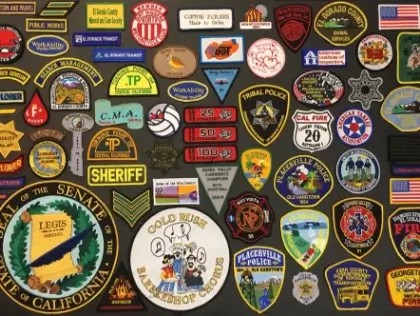
This is where the shop fits in the market. National platforms are convenient when artwork, quantities, and deadlines are clean. A specialist local decorator becomes valuable when they are not. A fire department cares about durability and insignia. A school needs dozens of sizes and a fixed event date. A one-person business may need one polished polo now and twenty later. The same machine could serve all three; the service around it is what changes.
At scale
Standard garments, repeatable artwork, bulk economics, and shipping efficiency do the work.
At 5 Star’s counter
Mixed quantities, imperfect files, local deadlines, material choices, and human advice become the product.
What another small shop can copy
The transferable idea is not “buy an embroidery machine.” It is to connect a broad catalog to a narrow point of accountability. Let the internet provide choice; let a person reduce the choice. Publish the workflow. Show the work. Accept the small order that can become a relationship. Offer a physical handoff for local customers and shipping for everyone else. Most of all, explain the choices customers do not know they are making.
There are limits. A hands-on model works when the buyer values guidance, durability, pickup, unusual quantities, or a deadline enough to pay for service. It is less persuasive when price is the only criterion, when the artwork is already production-ready, or when a giant standardized order can move through an automated national system without interpretation. Flexibility has a cost: every exception consumes attention.
A modest promise, well placed
There is nothing technologically mysterious here. Thread passes through fabric. Ink passes through a screen. A digital file becomes a physical emblem. Yet the distance between the file and the emblem contains dozens of opportunities to disappoint someone. The wrong blue. The cheap polo. The tiny text. The missed Friday.
5 Star Apparel’s distinctiveness is therefore less romantic than craftsmanship and more useful: it keeps the customer close to those decisions. The company has a WooCommerce storefront and thousands of catalog options, but it still publishes a phone number, weekday counter hours, and the possibility of an after-hours appointment. The internet widens the shelf. The shop keeps a human at the edge of it.
That single cap matters because it is not merely a miniature order. It is a test. If the logo comes back clean, the Tuesday uniform may become the staff order, the staff order may become the fundraiser, and the fundraiser may become the annual tradition. One piece and one thousand pieces are not opposite businesses. Sometimes they are the first and last chapters of the same customer.