productivity-tool
(5)
ChatGPT Ate the Blank Page
The chatbot that made prompting a household verb now wants to search, draw, speak, study, code, and finish the errand. Here is how to use its sprawling toolbox without handing it your judgment.
HyperWrite Finishes Your Sentences - Then Opens the Browser
HyperWrite grew from a GPT-3 email trick into a writing desk, research aide and browser operator. Its signature feature is still the least theatrical one: a useful next sentence, waiting where you already type.
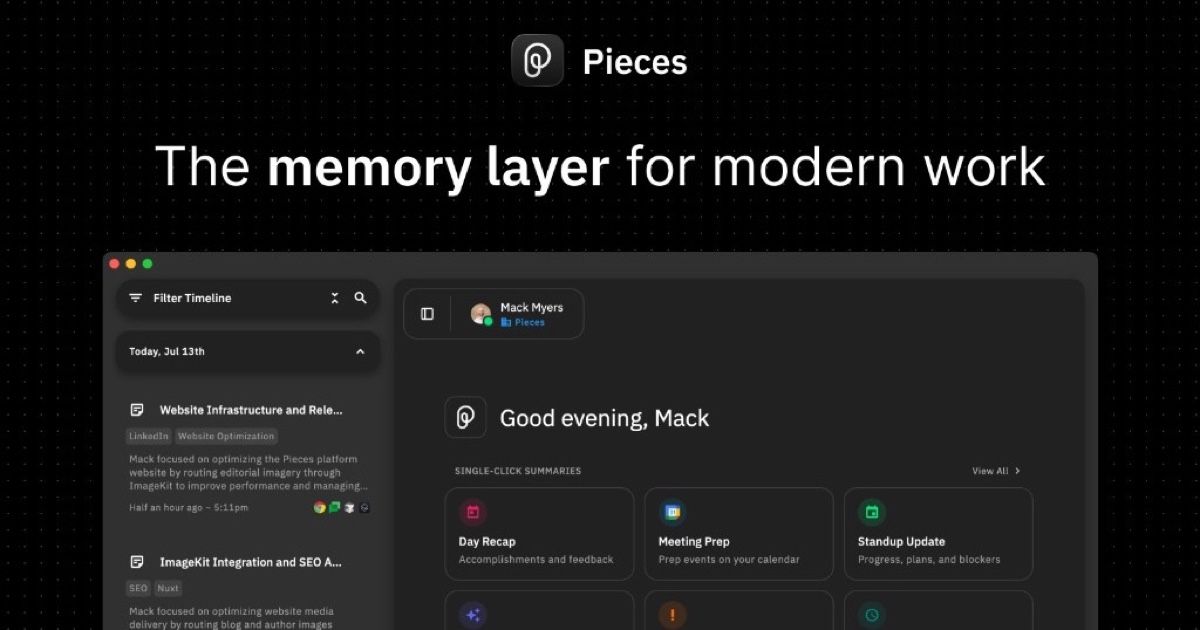
Your AI Forgot Again. Pieces Kept the Receipts.
Pieces watches the workday from your computer, builds a private searchable memory, and lends that context to the AI tools that usually wake up blank. It is clever, occasionally uncanny, and most useful for people whose real job is remembering what happened three tabs, two meetings, and one Tuesday ago.
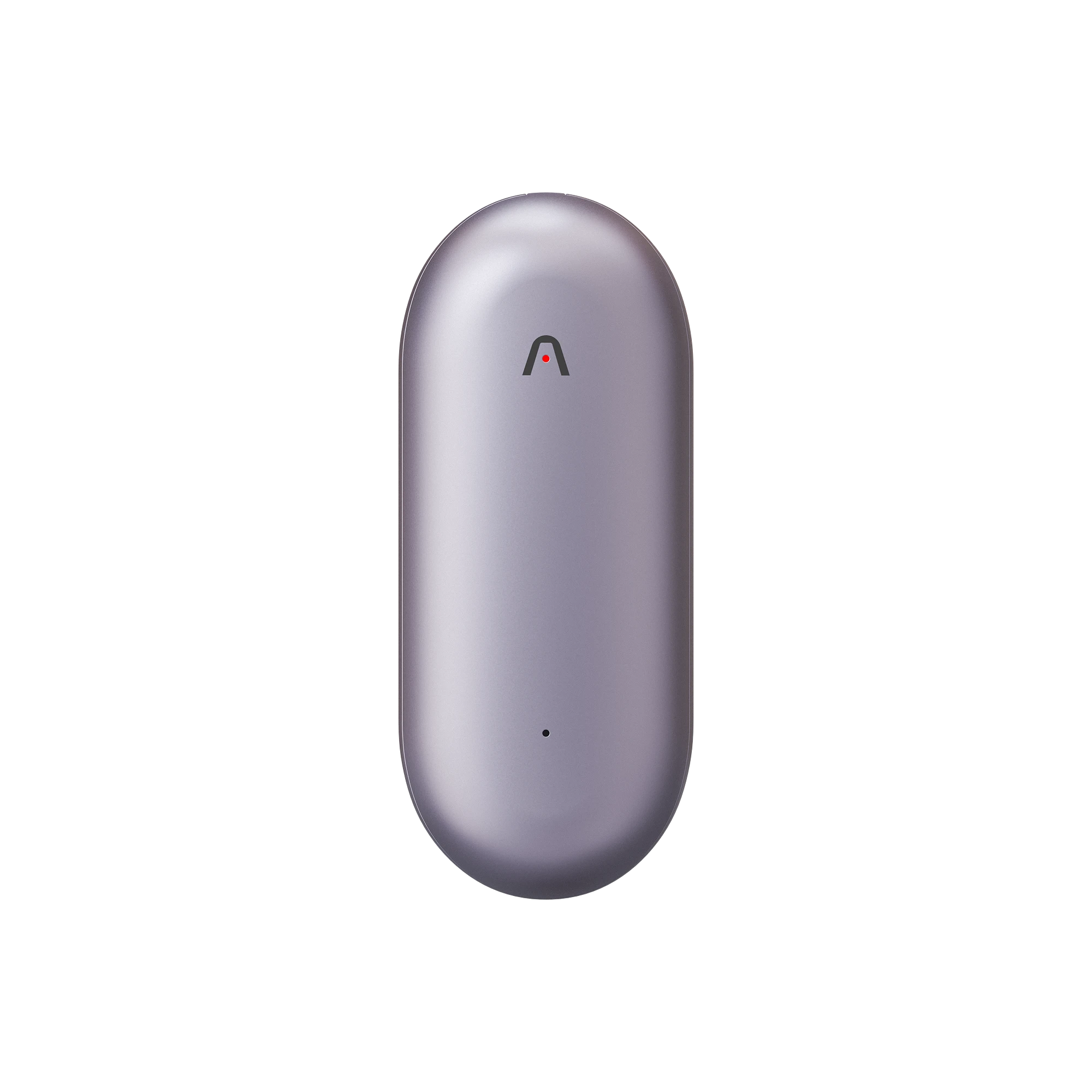
Plaud NotePin Lets Meeting People Listen Again - For $159 Plus Minutes
This 0.59-ounce recorder turns a day of talk into transcripts, summaries and action items. It is built for people whose job happens in rooms, but the subscription math deserves a look before the pin goes on your lapel.
Speechify
Speechify is the world's largest text-to-speech platform, turning any text - PDFs, books, emails, Google Docs, web pages - into natural-sounding audio. Founded by dyslexic Brown University student Cliff Weitzman and his brother Tyler, the company grew from a personal reading aid into an AI voice empire spanning consumer apps, a voice cloning and dubbing studio for creators, and a text-to-speech API for developers. It serves 50+ million users across mobile, Chrome extension, and desktop, offers hundreds of voices in 50+ languages, and won the 2025 Apple Design Award for Inclusivity.