meeting-transcription
(15)
Plaud put a price on forgetting
A small recorder, a paid AI service, and a surprisingly consequential button. Plaud is building a business around the part of work that happens before anyone opens a document.

Talk Now. Voicenotes Will Remember the Rest.
A voice recorder grew into a searchable memory for meetings, stray ideas, and the sentence you invent while walking the dog. The trick is knowing when to trust it, and when to keep a backup.
The Meeting Ends. tl;dv Starts Working.
The German meeting assistant grew up: it now turns calls into CRM updates, follow-ups, clips, and answers across an entire meeting archive. The convenience is real, but so is the homework for teams trusting it with the company memory.
Fathom Remembers the Meeting So You Can Attend It
Fathom has grown from a polite Zoom stowaway into a searchable memory for your working life. The question is no longer whether it can take notes, but whether you are ready to let another app remember the room.

HyNote Built 20 Apps Before It Found the One Million-User Habit: Stop Taking Notes
The small Palo Alto team stopped treating transcription as the product. HyNote's wager is that the winner will own the whole trip from a whispered thought or messy PDF to an action item, quiz, slide deck or shareable page.
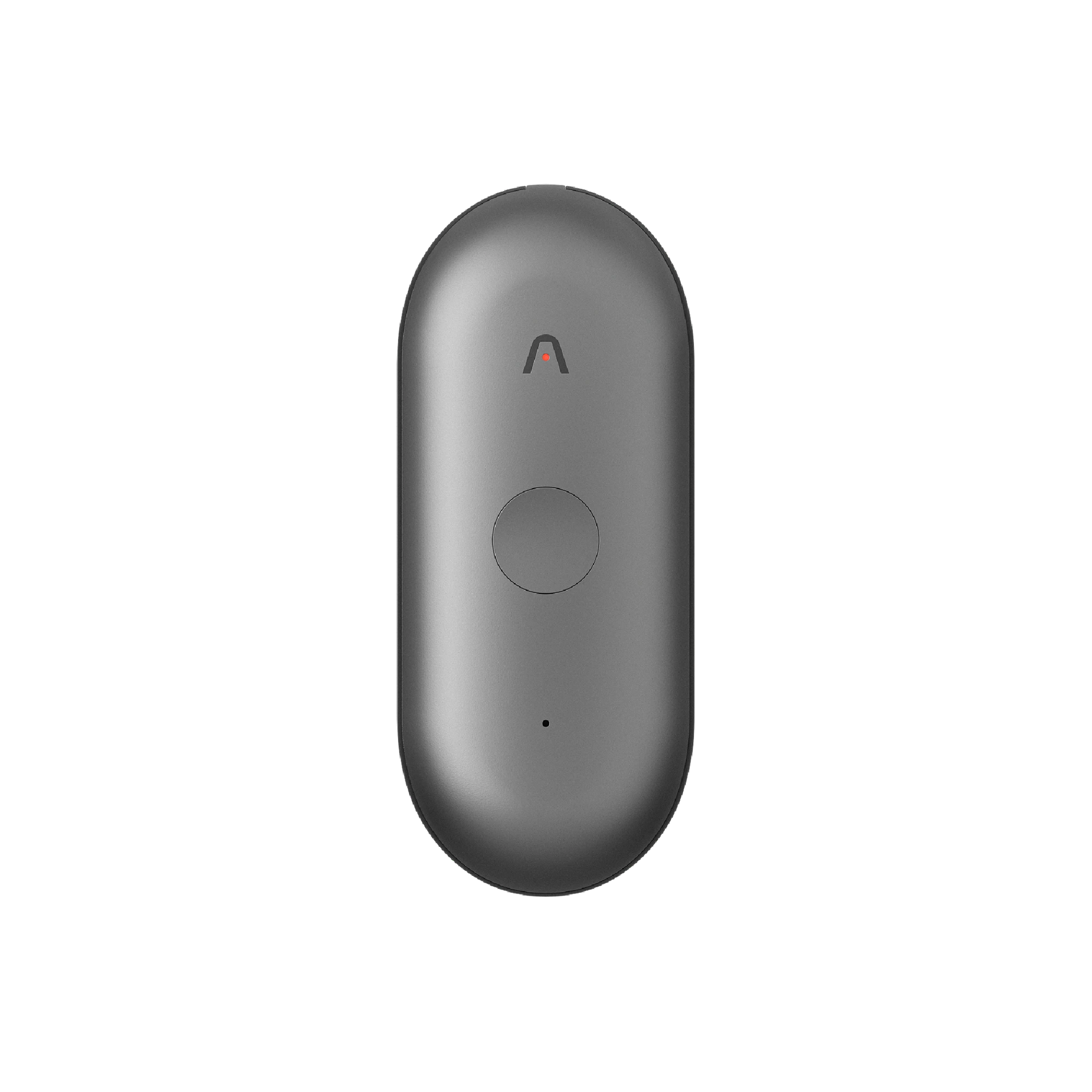
Plaud NotePin S Wants Your Notebook's Job - and Your Subscription
For interviewers, clinicians, students, and meeting-heavy professionals, this tiny recorder can turn a day of talk into usable notes. The catch is deciding whether fewer scribbles are worth a $179 device and an eventual software bill.
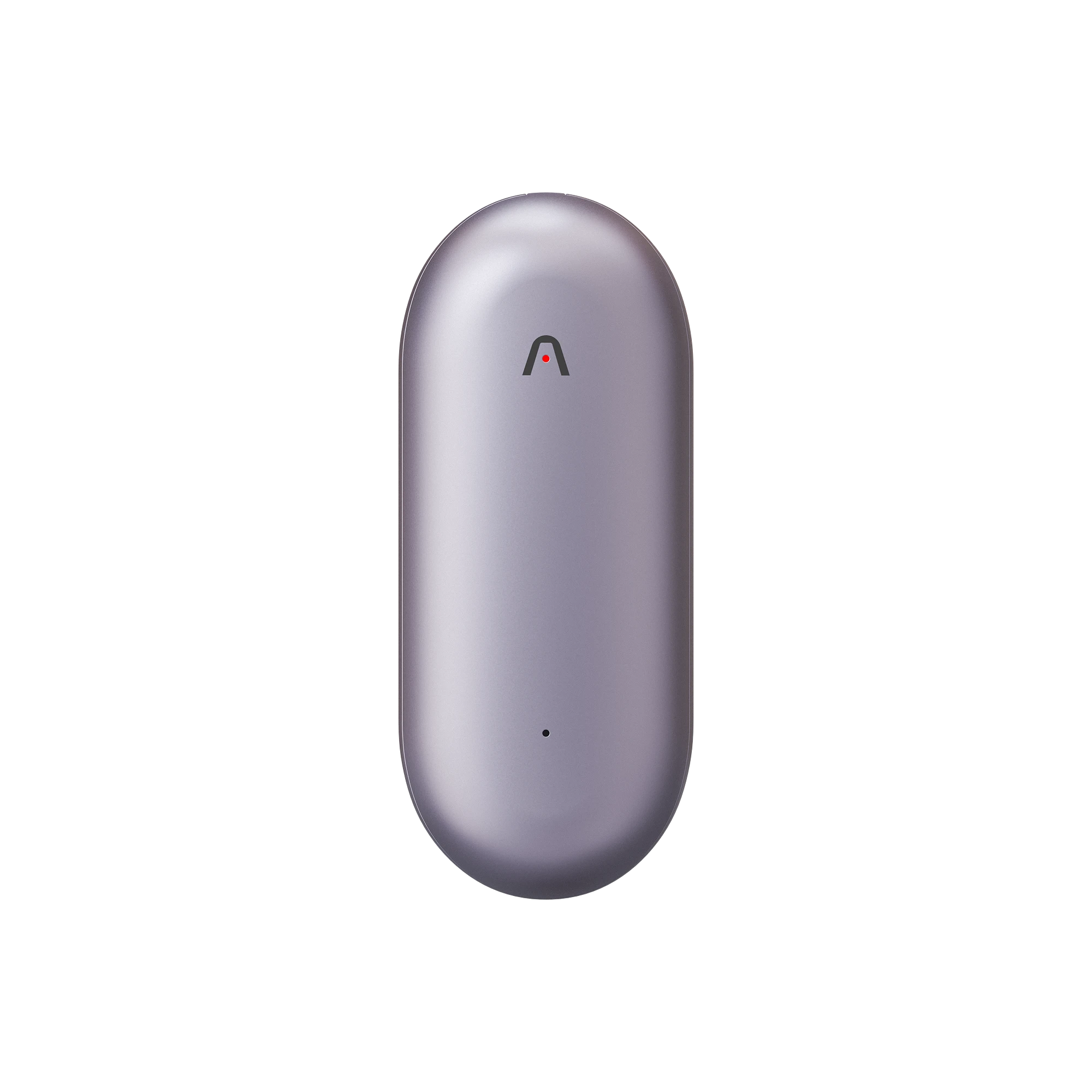
Plaud NotePin Lets Meeting People Listen Again - For $159 Plus Minutes
This 0.59-ounce recorder turns a day of talk into transcripts, summaries and action items. It is built for people whose job happens in rooms, but the subscription math deserves a look before the pin goes on your lapel.
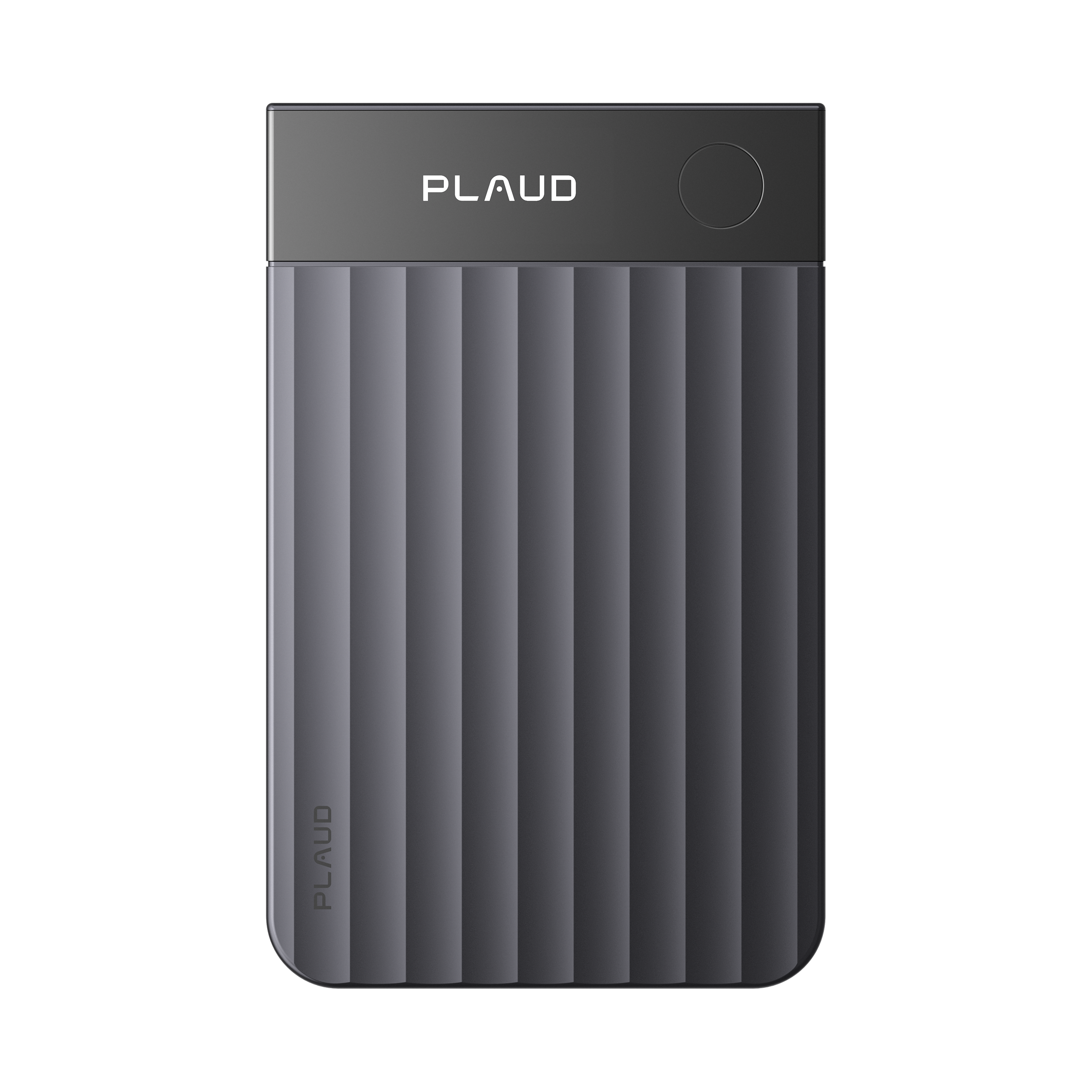
The $189 Meeting Card That Wants Your Notebook's Job
Plaud Note Pro turns phone calls and crowded rooms into searchable notes. The clever bit is the button; the catch is deciding whether another subscription deserves a seat in every meeting.

AI Notetakers: Otter, Fireflies, Granola, Fathom, Read AI, Gumdrop
Six AI notetakers are quietly rewiring the meeting: Otter and Fireflies chase scale, Granola bets on augmenting your own notes without a bot in the room, Fathom wins on a generous free tier, Read AI reads the room's mood, and Gumdrop (from Kayak co-founder Paul English) prepares you before you ever say hello. Together they map an entire category racing from novelty to default.
Tana
Tana is an AI-native workspace that turns messy notes, meetings and voice memos into structured, queryable knowledge. Its signature feature, Supertags, lets any bullet point become a database record with defined fields, so notes double as a living knowledge graph that AI agents can read, summarize and act on. Founded in 2021 by ex-Googlers and productivity builders and based in Palo Alto with an engineering hub in Oslo, Tana raised a $14M Series A in February 2025 (led by Tola Capital), reaching $25M total funding after emerging from a stealth beta with a 160,000+ person waitlist.
Optiverse
Optiverse is a Swiss AI meeting platform that turns everyday conversations into structured, actionable work. Its assistant, OptiAgent, transcribes meetings, writes custom summaries, extracts action items, pushes updates into CRMs, and makes past calls searchable across a company. Founded in Zurich in 2024 by researchers from ETH Zurich, EPFL, MIT and HSG, the company positions itself as the 'digital brain of the enterprise' and reports supporting over 1,000 companies while emphasizing Swiss-hosted, privacy-first data handling.
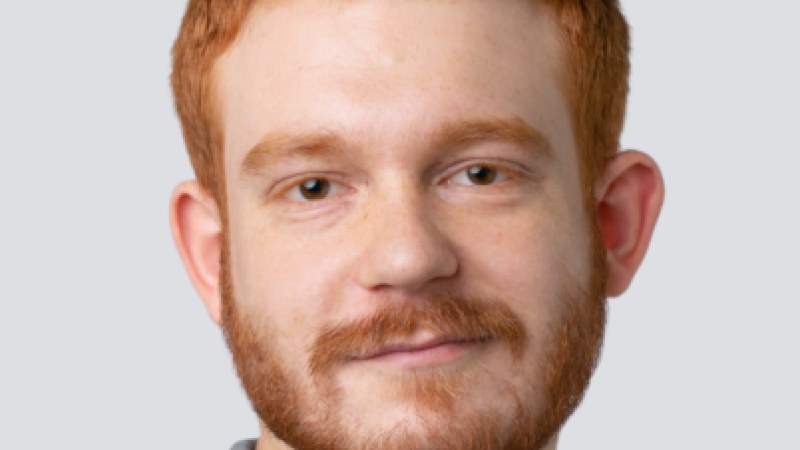
Elio Assaf
Elio Assaf is the Lebanese co-founder and CEO of Optiverse AG, a Zurich-based AI startup building a meeting assistant that turns everyday conversations into structured, operational intelligence - automating notes, summaries, transcriptions and CRM updates. A computer-vision and machine-learning researcher who worked across ETH Zurich, MIT and EPFL and previously engineered AI at Thales, he incorporated Optiverse in June 2024, won a CHF 150,000 Venture Kick award, and grew the platform to serve over 1,000 businesses worldwide while users report saving an average of 6.8 hours a week.
Fireflies.ai
Fireflies.ai is a San Francisco-based AI meeting assistant that joins video and phone calls across Zoom, Google Meet and Microsoft Teams to record, transcribe, summarize and analyze conversations. Its bot captures speaker-labeled notes and action items, its AskFred assistant answers questions about past meetings, and its Perplexity-powered Live Assist offers real-time web answers during calls. Founded in 2016 by Krish Ramineni and Sam Udotong, the company reached a $1 billion valuation in 2025 while staying profitable and is used by teams across more than a million organizations.
Highlight
Highlight is a San Francisco AI company building a shared intelligence layer for teams and AI agents. Its cross-platform desktop app captures on-screen context, meetings, messages, and documents, then weaves them into a unified team memory that drafts next steps across tools like Linear, Slack, Notion, and calendars. Spun out of game-clip company Medal in 2024, Highlight has grown past 500,000 users and raised a $40M Series A led by Khosla Ventures in March 2026, when former Discord product VP Sergei Sorokin became CEO.

Krish Ramineni
Krish Ramineni is the co-founder and CEO of Fireflies.ai, the AI meeting assistant that quietly joins calls, transcribes them, and turns an hour of talk into a five-minute read. He left one of the youngest product manager roles at Microsoft to build it with college friend Sam Udotong, pivoting five or six times before landing on meetings. Today Fireflies serves 20M+ users across 500,000+ organizations - including most of the Fortune 500 - and reached unicorn status on roughly $19M raised while staying profitable. A Forbes 30 Under 30 honoree, he now also lectures at Stanford on building AI products.