industry-4-0
(21)
Karthikeyan Natarajan and the Factory's Missing Hour
After three decades translating engineering into business, the Infinite Uptime CEO is betting that industrial AI will be judged by one plain result: whether the machine keeps running.
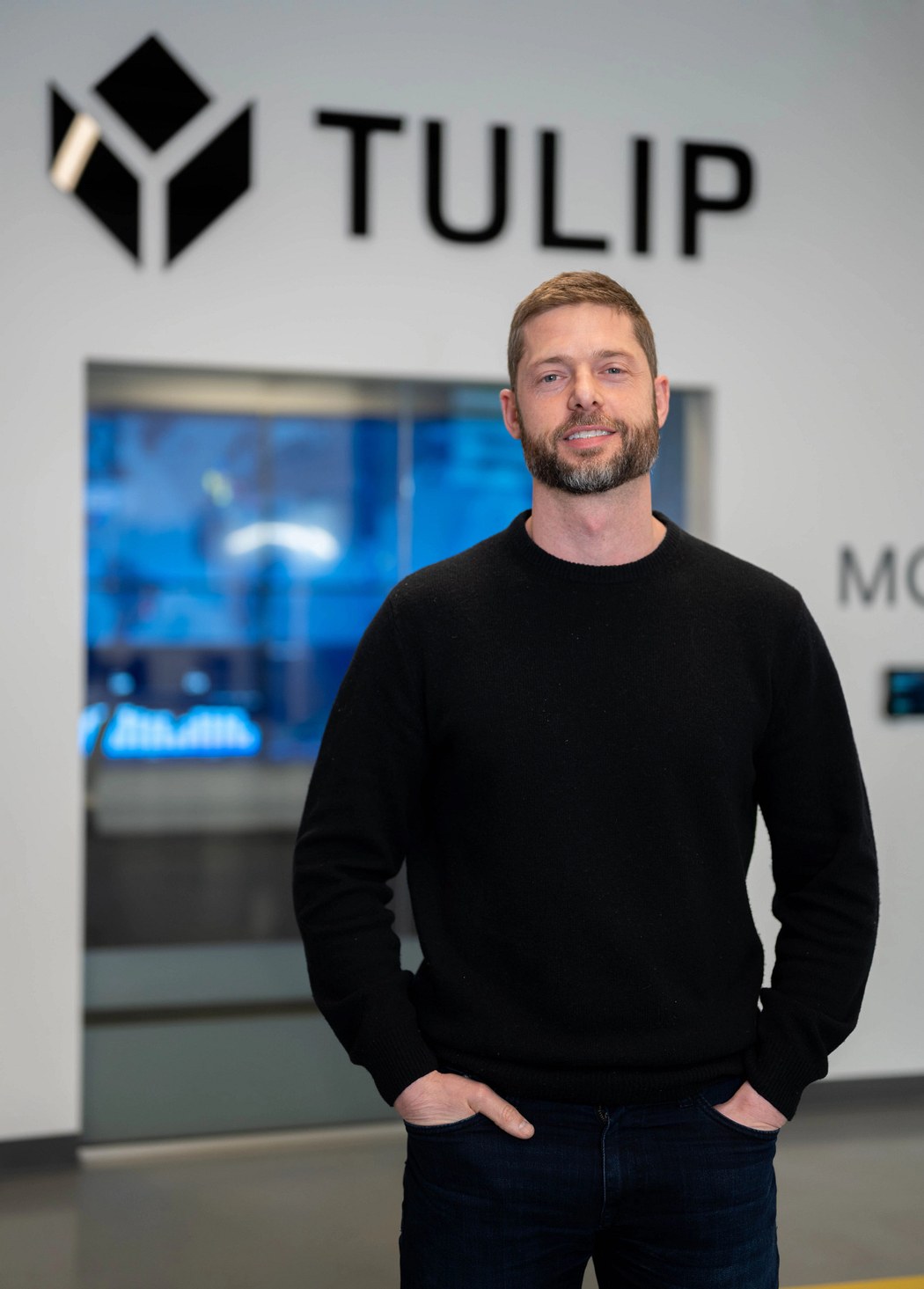
Erik Mirandette and the Long Road to the Factory Floor
Before he helped put software into factories, Erik Mirandette crossed Africa by dirt bike, served in military counterintelligence and learned a durable lesson: useful systems begin with the people closest to the problem.

The Dot puts Tunisia’s startup maze under one roof
In Tunis, The Dot brings founders, advisers and public institutions into the same building. Its next test is making that proximity useful to entrepreneurs far beyond the capital.

Amir Ben-Assa Has Spent 30 Years Teaching Factories to See
Before factories could talk about AI agents, Ben-Assa was helping them locate glass carts, mine equipment and missing minutes. His career is a study in making invisible industrial problems legible - and then useful.
Plataine Wants the Factory to Make the Next Call - Before the Expensive Roll Expires
A roll of carbon fiber can expire, a tool can vanish and one late machine can scramble the week. Plataine built an industrial decision layer for exactly that mess - and its best evidence is measured in saved material, recovered hours and fewer wrong cuts.
Magic Software spent 43 years making old systems talk - then joined a bigger machine
The Israeli software veteran outlasted several computing eras by connecting what companies already owned. Its products carry the story, but services pay most of the bills - and a 2026 merger gives that model a larger engine.
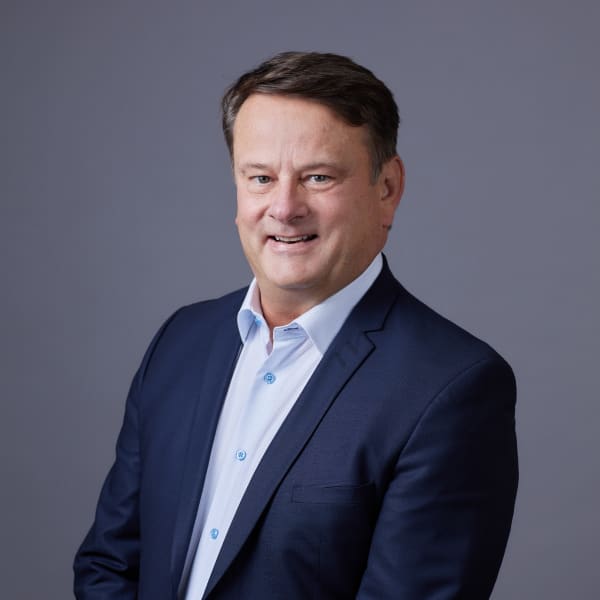
Tom Hennessey Makes the Factory Floor Legible
The iBASEt CMO has spent a career turning factory complexity into plain language. His recurring argument is simple: reliable work begins when the right information reaches the right person at the right moment.
The Factory Software Behind Fighter Jets Has a New Assignment: Make AI Auditable
iBASEt spent four decades turning aerospace shop-floor paperwork into a digital record. Now it is betting that the same governed data can make factory AI useful without asking engineers to trust a black box.
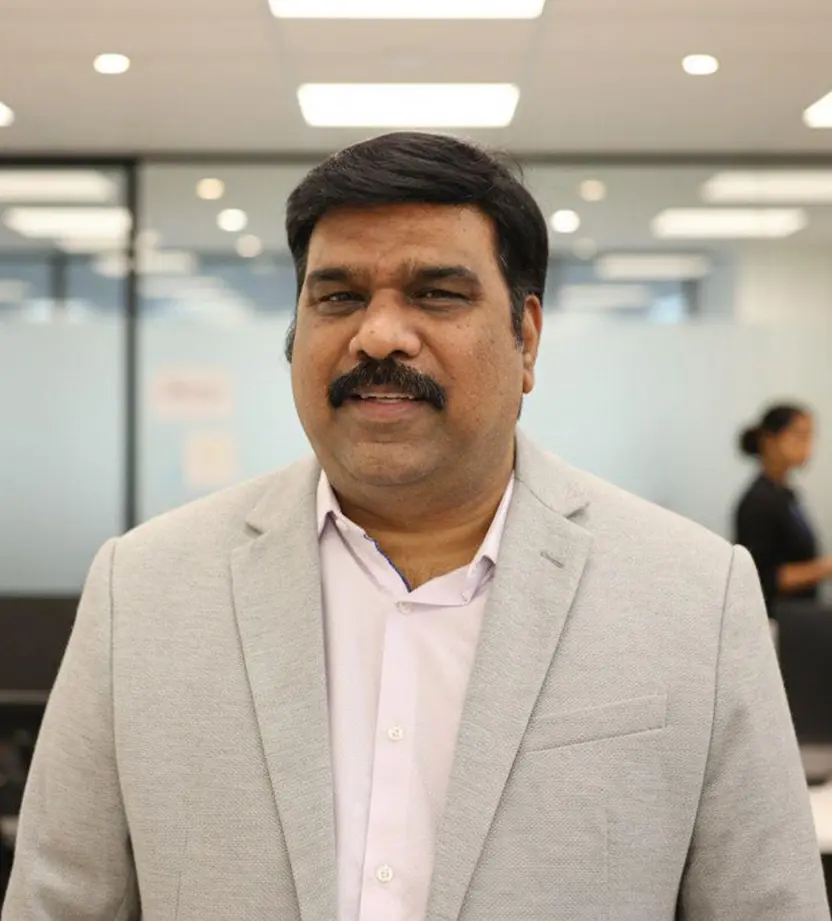
The Factory Floor Has a Memory. Senthil Ranganathan Wants It to Think.
After 25-plus years inside manufacturing systems, the Athena founder is betting that factories need fewer passive dashboards and more useful decisions.

Vinay Nathan Has Spent 13 Years Teaching Factories to Tell the Truth
Before factory AI can sound clever, someone has to connect the old machines, clean up the records and prove the software pays. Vinay Nathan built Altizon around that less glamorous - and more useful - work.

François Séguin Is Building the Factory Behind the Thermostat
The products promise comfort. François Séguin's job is to make the machinery, data and people behind that promise work at industrial scale - from a Saint-Bruno factory floor to a 17-site North American manufacturing network.

Altizon Gave the Factory Floor a Brain That Talks Back
A Princeton-and-Pune software company spent a decade wiring up shop floors. Now it is betting the most useful worker in the plant will be a piece of software you can talk to.
The Tiny Fund Betting the Next Great Software Market Has Factory Floors
REFASHIOND Ventures writes small early checks into the systems that make, move, and remake physical goods. Its edge is not check size - it is a map of industry built before supply chains became dinner-table conversation.
Invio Automation Is Building the Factory Before the Factory Exists
The modern factory has a costly problem: buying a robot is easy, but making the whole line work is not. Invio Automation sells the planning, machinery, integration, and long-haul support that connect the whiteboard to the shop floor.

Athena Technology Solutions
Athena Technology Solutions makes the factory floor legible to the rest of the enterprise - stitching machines, manufacturing software and business systems into one working digital thread. Now the Fremont integrator is testing how far that hard-won context can carry agentic AI.

Cellares
Cellares is the first Integrated Development and Manufacturing Organization (IDMO) for cell therapy. Its Cell Shuttle - a fully automated, high-throughput platform roughly the size of a small conference room - replaces a warren of manual labs with one box that can run 16 patient batches in parallel, cutting labor and facility footprint by about 90 percent.

Sight Machine
Sight Machine is an industrial AI company that turns the messy, unstructured exhaust of factory floors into a single live model of production. Its Manufacturing Data Platform connects machines, lines and plants - then runs AI on top so Global 500 manufacturers can see, decide and act in real time.
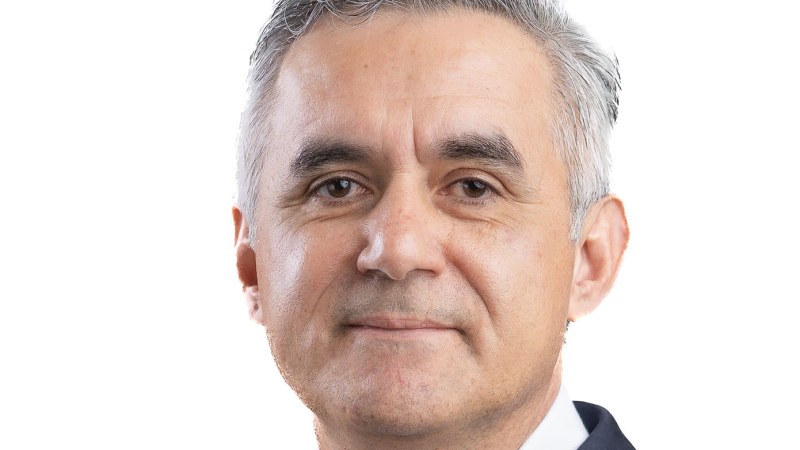
Israel Felix
Israel Felix is the CEO and Founder of CBQA Solutions Inc., a Pleasanton, California-based technology services firm specializing in QA automation, software development, cybersecurity, and cloud migrations. With 30+ years of experience spanning Nortel Networks, Cisco Systems, and Veeva Systems, Felix built CBQA from scratch in 2015 into an 80-person operation with offices in the US, Mexico, and Colombia, serving Fortune 500 clients including Honda, Toyota, Bio-Rad, iRhythm, and United Airlines. He is also co-founder and CTO of Auditate, a fixed asset management platform, and a member of LBAN (Latino Business Action Network) Cohort 16.

John Kibarian
John Kibarian is the co-founder, President, and CEO of PDF Solutions (NASDAQ: PDFS), a Santa Clara-based semiconductor analytics company he has helmed for over 35 years. Armed with a Ph.D. in Computer Engineering from Carnegie Mellon, Kibarian started building yield-improvement algorithms while still a researcher at SEMATECH - then turned those algorithms into a company. Today PDF Solutions generates $219 million in annual revenue helping chipmakers, test facilities, and battery manufacturers squeeze more quality out of every wafer, with flagship products like the Exensio Analytics Platform and the Sapience Manufacturing Hub driving AI-powered collaboration across global semiconductor supply chains.

Neschae Fernando
Neschae Fernando is the CEO of Zone24x7, a 22-year-old technology engineering company headquartered in San Jose, California, with a major hub in Sri Lanka. With a dual background in electrical engineering (MS and BS from UCLA) and enterprise IT delivery at Cisco, Fernando leads a 270-person team that sits at a rare intersection: companies capable of integrating hardware and software end-to-end. Under his leadership since June 2022, Zone24x7 has won seven industry awards in 2025 alone, including Gold at NBQSA and the IoT Technology of the Year Award, while expanding its AI, RFID, and cognitive vision platforms across 50+ enterprise clients globally.
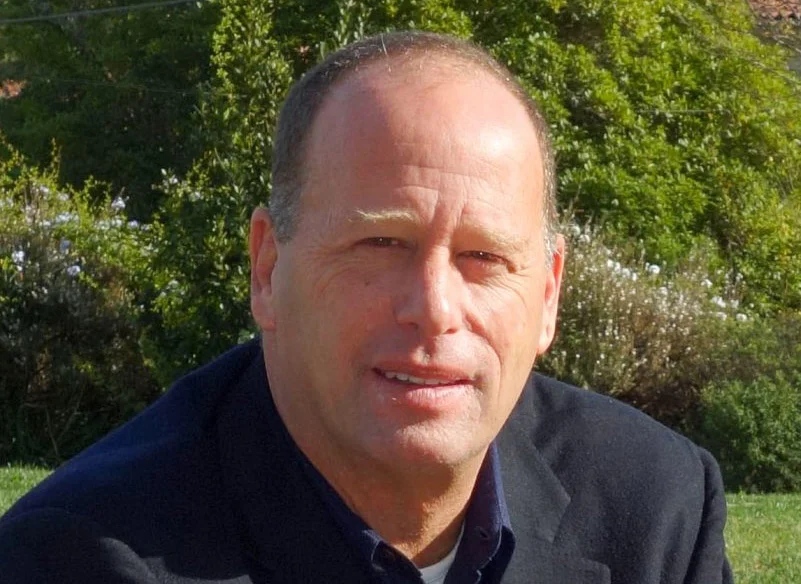
Jon Sobel
Jon Sobel is the co-founder and CEO of Sight Machine, the industrial AI company he built from scratch in 2011 after a career spanning the law departments of Yahoo and Tesla and executive roles at CBS Digital and SourceForge. A Princeton and Wharton graduate who also holds a Michigan law degree, Sobel spent over a decade as one of Silicon Valley's most senior in-house lawyers before betting his career on a hunch: that factory floors, drowning in data they could not use, were the biggest missed opportunity in enterprise software. Sight Machine has since raised over $124M, operates in 20+ industries across 20+ countries, and in 2025 closed an equity investment from NVIDIA's venture arm — proving that a former general counsel with a journalism fellowship can, in fact, build a category-defining AI company.