exposure-management
(22)
Claroty for Healthcare: The hospital's missing map
A hospital can own thousands of connected devices and still struggle to know what talks to what. Claroty turns that missing map into security decisions - and, occasionally, a better maintenance deal.
Discern Security and the expensive art of leaving protection switched off
Companies buy security tools, then leave useful controls idle. Discern Security wants to turn that overlooked investment into a working defense, one verified fix at a time.
The Security Company That Moves the Target
Morphisec changes the memory an attacker expects to find. Its bet is that the best time to stop ransomware is before the first malicious instruction lands.

The Security Scanner’s Most Awkward Question: Who Actually Fixes This?
Scanners became very good at finding vulnerabilities. Cogent raised $53 million on the premise that the valuable part begins one minute later - when somebody has to decide what matters, persuade an owner to fix it, and prove the danger is gone.
Claroty Secures the Machines You Can’t Just Reboot
Factories, hospitals, and airports need cybersecurity that respects the machinery. Claroty has built its business around a difficult promise: find the risk without stopping the work.
Prevalent AI spent nine years fixing the data. Then came $22 million.
The London company built its business untangling enterprise security data. Now it is betting that the same knowledge graph can give AI agents a more reliable picture of the world they work in.

The £250 Million Bet on Making Insurance Less Like Email
Verisk bought Sequel for £250 million to digitise the stubbornly human London insurance market. The result is a software suite built to remove rekeying and spreadsheet drift - while leaving judgment to brokers and underwriters.

Patricia Tantow Built a Career Translating Technical Risk Into Business Momentum
A civil-engineering graduate with a finance credential became the marketer called when infrastructure software needed a plain-English case. Her career has run through IPOs, acquisitions and, most recently, PlexTrac’s sale to Brinqa.

Meg O'Leary Has Spent a Career Finding the One Thing That Matters
From a yellow-pages launch on a Times Square screen to Tenable's campaign against cyber noise, O'Leary has built her working life around a deceptively difficult question: what is the one thing people should remember?
Tenable Found 336,000 Ways In. Its Next Trick Is Telling Security Teams Which Door to Close First
Nessus made Tenable famous for finding weaknesses. Tenable One is the nearly $1 billion-revenue company’s bet that the real product is judgment: connecting IT, cloud, identity, OT and AI risk, then showing an overworked security team what to fix first.
The Firewall Grew Up. Now Check Point Wants It to Police AI
Check Point built a $2.7 billion business by remembering what crossed the network. Its next act is harder: governing prompts, agents and cloud traffic without making security teams buy another pile of tools.
Rapid7 Built a Security Empire on Hacker Tools. Now It Has to Make the Whole Stack Feel Like One Product.
Rapid7 spent 25 years learning how attackers think, then assembled scanners, SIEM, cloud security and managed response around that knowledge. The hard part now is subtraction: turning a crowded toolbox into one coherent operating system for security teams.
Axonius Bet Every Security Team Had the Same Blind Spot - Then Turned Inventory Into a $200 Million ARR Business
The clever part was not finding one more signal. It was making hundreds of tools compare notes - and turning the discrepancies into a product security teams could act on.
Qualys Wants to Turn the World's Vulnerability Backlog Into a To-Do List
The 27-year-old security company helped put vulnerability scanning in the cloud. Now it is selling a harder idea: that one agent and one risk score can tell sprawling enterprises what to fix first - and help fix it.
PlexTrac Turned the 300-Page Pentest Report Into a Living Workflow - Then Sold the Loop to Brinqa
Dan DeCloss hated polishing security reports that went stale on delivery. A decade later, the software born from that irritation became Brinqa’s missing link between finding a vulnerability and proving the fix held.

Pentera Turned a 12-Attack Beta Into a $100M ARR Business by Making Security Prove Itself
Security teams had plenty of alerts and too little proof. Pentera built a machine that attacks safely, shows what is actually exploitable, and turns an annual pentest into a repeatable operating habit.
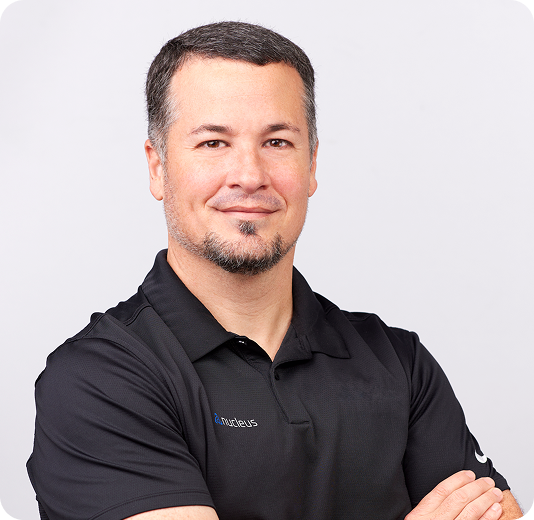
Steve Carter Turned Vulnerability Chaos Into a Company
Before Nucleus Security became an enterprise platform, it was a working answer to a federal problem: too many findings, too many handoffs, and too little time. Steve Carter has spent his career closing that gap between knowing and doing.
The Company Betting That Scanning Was Never the Hard Part
Every enterprise already owns a dozen scanners that find problems. Nucleus Security built a business on the boring, unglamorous job nobody else wanted: figuring out which of the millions of findings actually matter.
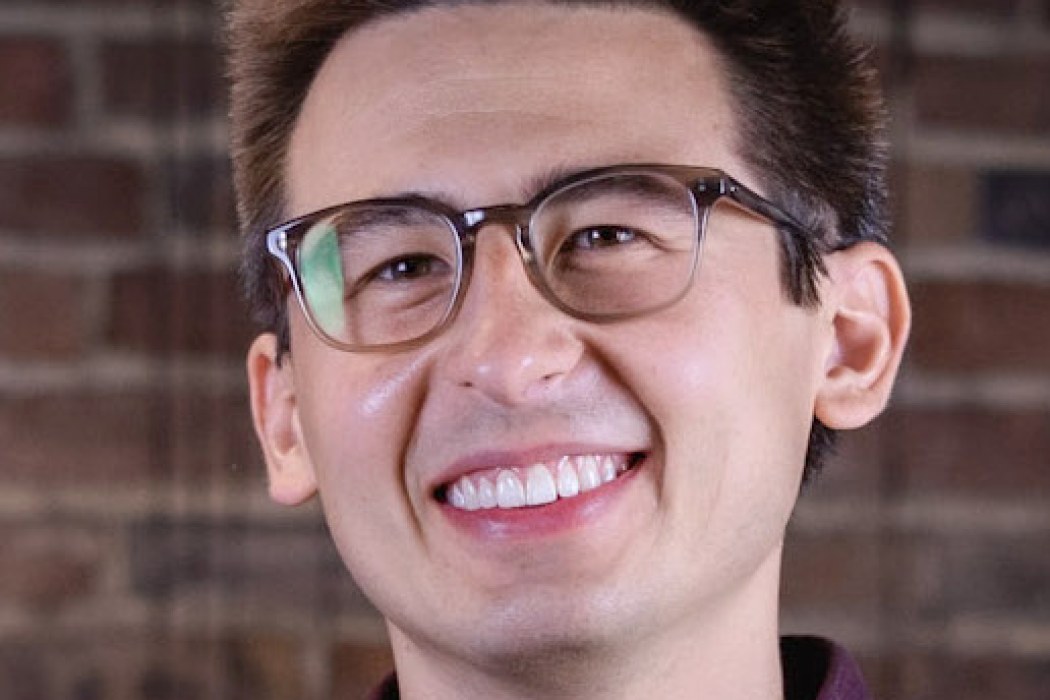
Zakir Durumeric
Zakir Durumeric is a computer security researcher, Stanford assistant professor, and co-founder and CEO of Censys. As a University of Michigan PhD student he built ZMap, a scanner that can survey the entire public IPv4 internet in minutes rather than weeks, then turned that research into Censys, an internet intelligence platform used for threat hunting and exposure management. His work mapping the internet at scale helped expose the reach of vulnerabilities like Heartbleed and earned him a spot on MIT Technology Review's 35 Innovators Under 35.
watchTowr
watchTowr is a Singapore-based cybersecurity company that builds a real-time attacker's view of an organization's external attack surface, then continuously discovers and validates exploitable vulnerabilities before adversaries can use them. Founded in 2021 by offensive-security specialist Benjamin Harris, its platform blends external attack surface management, continuous automated red teaming, AI-driven rapid reaction to emerging threats, and autonomous edge mitigation. watchTowr is also known for watchTowr Labs, a research team whose public disclosures on Citrix, Fortinet, Ivanti, SonicWall and other enterprise software regularly make headlines. The company serves Fortune 500 firms and critical-infrastructure operators and has raised roughly $29-30 million, including a $19M Series A led by Peak XV.
Forescout Technologies Inc.
Forescout Technologies is a San Jose-based cybersecurity company that gives organizations agentless visibility and control over every connected device on their networks - from laptops and phones to industrial controllers, medical equipment and IoT sensors that cannot run traditional security agents. Its platform, now branded Forescout Vistaro, spans IT, OT, IoT and IoMT environments and combines asset discovery, network access control, segmentation, threat detection and exposure management, backed by the Vedere Labs threat-research team. Serving roughly 3,200 customers including one in five Fortune 500 companies and numerous government agencies, Forescout competes in the fast-growing market for securing the sprawling, mixed device estates of modern enterprises and critical infrastructure.
Censys
Censys is a cybersecurity company that runs one of the most comprehensive real-time maps of the public internet. Born from the ZMap internet-scanning project at the University of Michigan, its Internet Intelligence Platform scans billions of IP addresses and certificates to power attack surface management, threat hunting, and exposure management. Trusted by more than half of the Fortune 500 and by U.S. intelligence agencies, Censys helps defenders see what attackers can see - unknown assets, exposed services, and adversary infrastructure - so they can find and fix risk before it is exploited.