english-learning
(10)
Akshay Sanghai Is Building an English Classroom That Talks Back
The MySivi co-founder left large-company engineering for a harder systems problem: giving millions of learners a patient place to practise, make mistakes and speak again.
The Caracas Startup That Turned English Into a Subscription
It started with $700, a sofa in San Francisco, and a bet that people learning English still want a human on the other end of the line. Two million students later, Open English is the accent Latin America practices in.

Praktika.ai
Praktika.ai is an AI-powered language learning app that lets people practice speaking through conversations with personalized AI avatar tutors. Instead of the tap-and-match drills common to language apps, Praktika simulates the responsive, spoken back-and-forth of a private tutor - complete with realistic voices, accents and emotional inflection - at roughly $8 a month versus hundreds for a human tutor. Founded by the team behind AI service firm Cleverbots, the company reports over 30 million learners, 1.2 million monthly active users across 100 countries, and raised a $35.5M Series A led by Blossom Capital in May 2024.
Slang
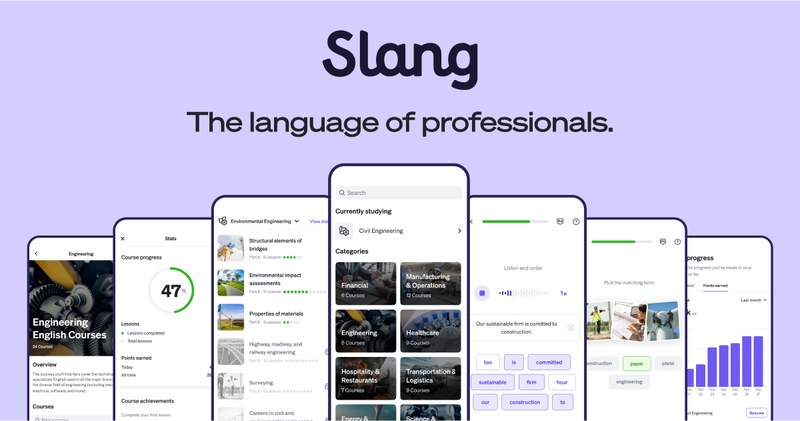
Slang is a B2B edtech company that teaches professional, industry-specific English to the global workforce. Born as an MIT research project on using AI and NLP to accelerate language learning, Slang now runs the largest catalog of specialized professional English courses in the world - 200+ paths spanning fields from engineering and finance to healthcare and logistics - delivered through a mobile-first platform used by companies and universities to build hyper-personalized learning journeys by role and industry.

Diego Villegas
Diego Villegas is the co-founder and CEO of Slang, an MIT-born edtech startup that uses machine learning and NLP to teach industry-specific professional English to the global workforce. A serial entrepreneur, he first built MASA, a Colombian oil-and-gas technical-services firm that grew to roughly $200M in revenue and 5,000+ employees before its acquisition by Stork. The pain of watching capable employees stall - and get laid off - for lack of business English became the seed of Slang, which now offers 150+ career-focused courses to companies including Nestle, Banco Santander, and Hyatt across more than a dozen countries.
Yi Wang
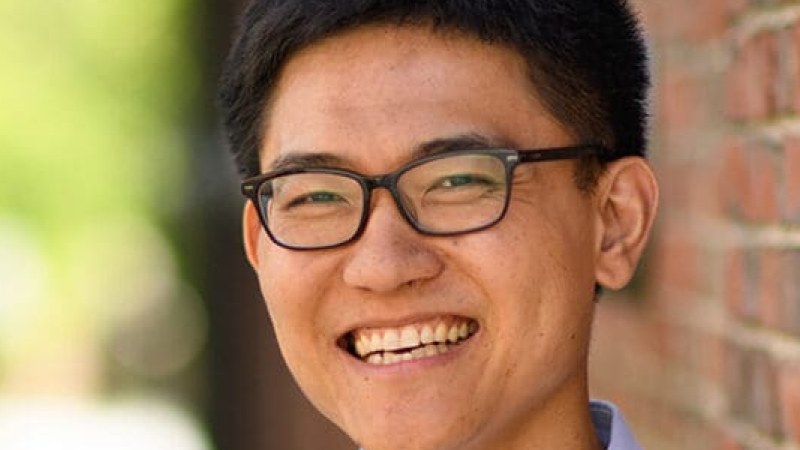
Yi Wang is the co-founder and CEO of Liulishuo (LingoChamp / LAIX), the Shanghai-based company that built one of the world's first AI-powered English teachers. A Princeton PhD and ex-Google product manager, he returned to China in 2011 and shipped an app that climbed to the top of China's App Store within months, eventually serving tens of millions of learners and taking the company public on the NYSE in 2018.
VIPKid
VIPKid is an online education platform that pairs young learners with native English-speaking teachers for live, one-on-one video classes. Founded in Beijing in 2013 by Cindy Mi, it grew into one of the world's largest live-tutoring marketplaces before pivoting to international markets after China's 2021 'double reduction' policy reshaped private tutoring.
Speak
Speak is an AI-powered language learning app that gets users speaking out loud from day one. Backed by OpenAI's Startup Fund, Accel, Khosla Ventures and Y Combinator, the San Francisco company reached unicorn status in December 2024 after raising a $78M Series C at a $1B valuation. Its AI tutor offers unlimited conversational practice and instant feedback to over 10 million learners.
Connor Zwick
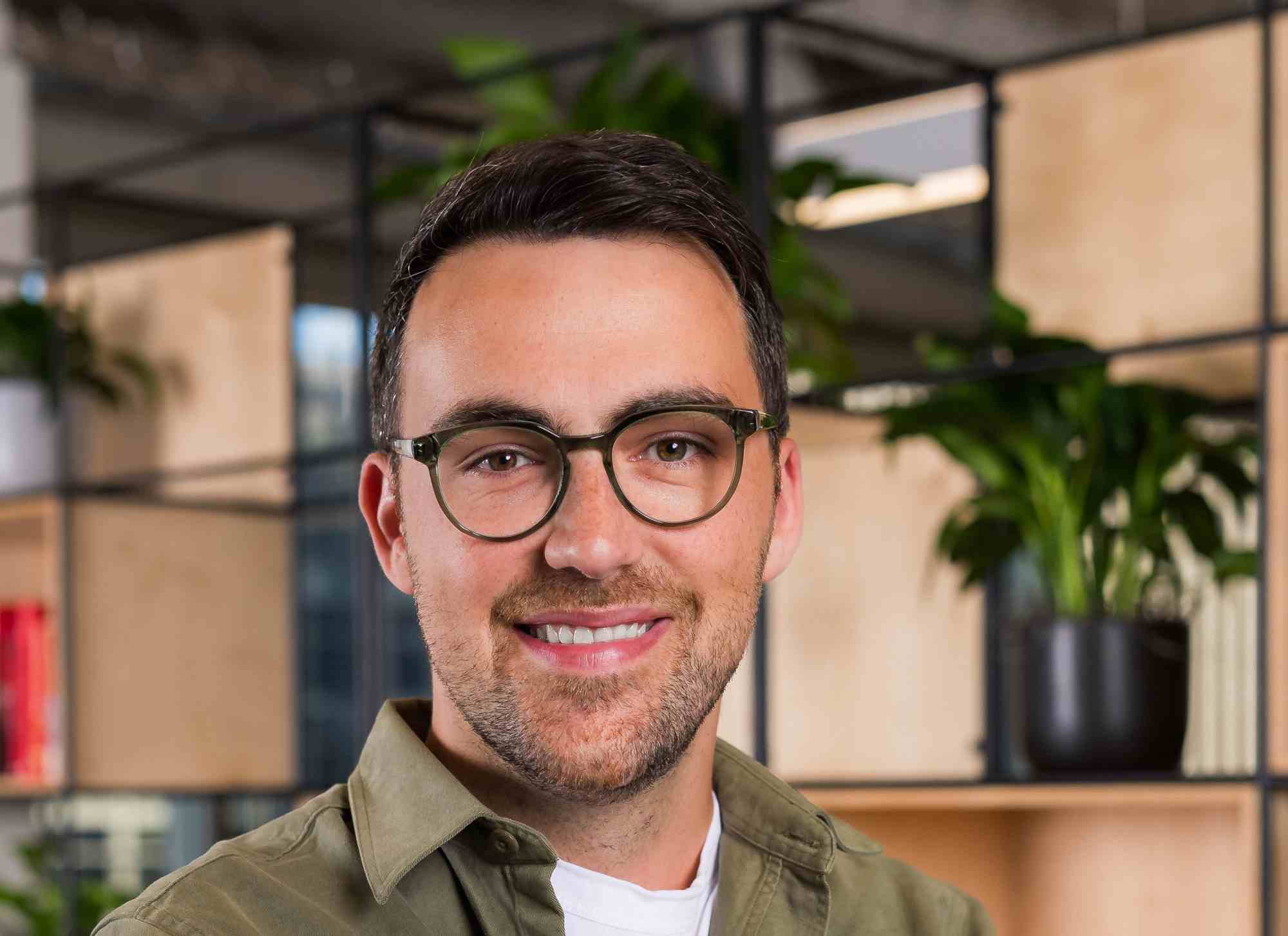
Connor Zwick is the CEO and co-founder of Speak, an AI-powered language learning platform that crossed $1 billion in valuation and $100 million in annualized revenue in 2024. A Thiel Fellow who dropped out of Harvard, Zwick built his first app at age 13 and sold Flashcards+ to Chegg as a teenager. He founded Speak in 2016 with Andrew Hsu, and spent years living between San Francisco and Seoul to perfect AI conversation technology for English learners. Today Speak counts over 15 million downloads, backing from OpenAI and Accel, and enterprise customers including KPMG and HD Hyundai.
Sameer Shariff
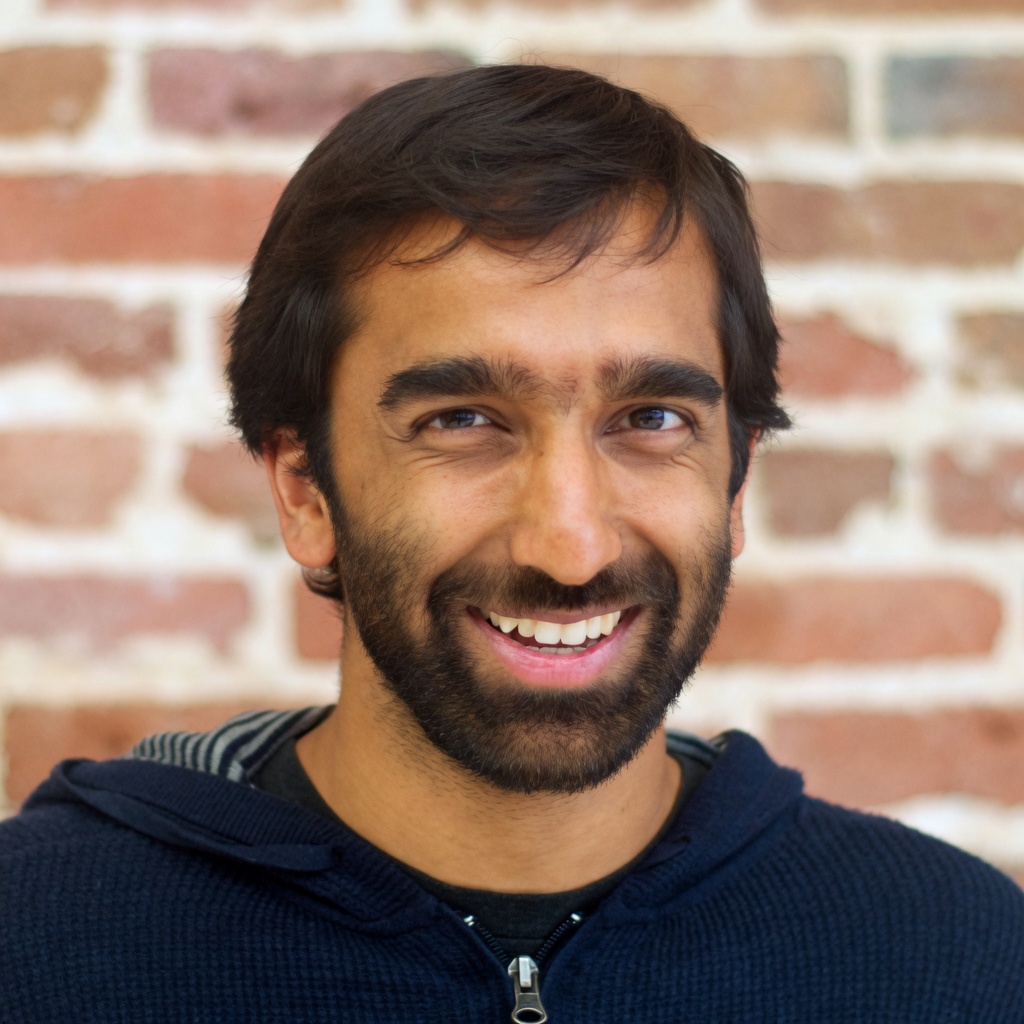
Sameer Shariff is the co-founder and CEO of Cambly, a San Francisco-based edtech platform that connects English learners worldwide with native-speaking tutors via on-demand video chat. A Princeton and Stanford-educated engineer who spent five years at Google, Shariff co-founded Cambly in 2012 after a trip to Argentina revealed how dramatically conversation practice accelerates language fluency. After a failed Series A attempt, he drove Cambly to cash-flow positivity without touching raised capital - then raised $60M from Benchmark, Bessemer, and others once the company no longer needed it. Cambly has ranked #1 in app stores across 150 countries and reaches an addressable market of 1.5 billion people seeking English fluency.