digital-services
(8)
Banglalink wants more than your phone bill
The Bangladesh operator has turned live sport, everyday apps and a coming payments service into a bid for more of daily life. Its hardest job is making those new habits pay.
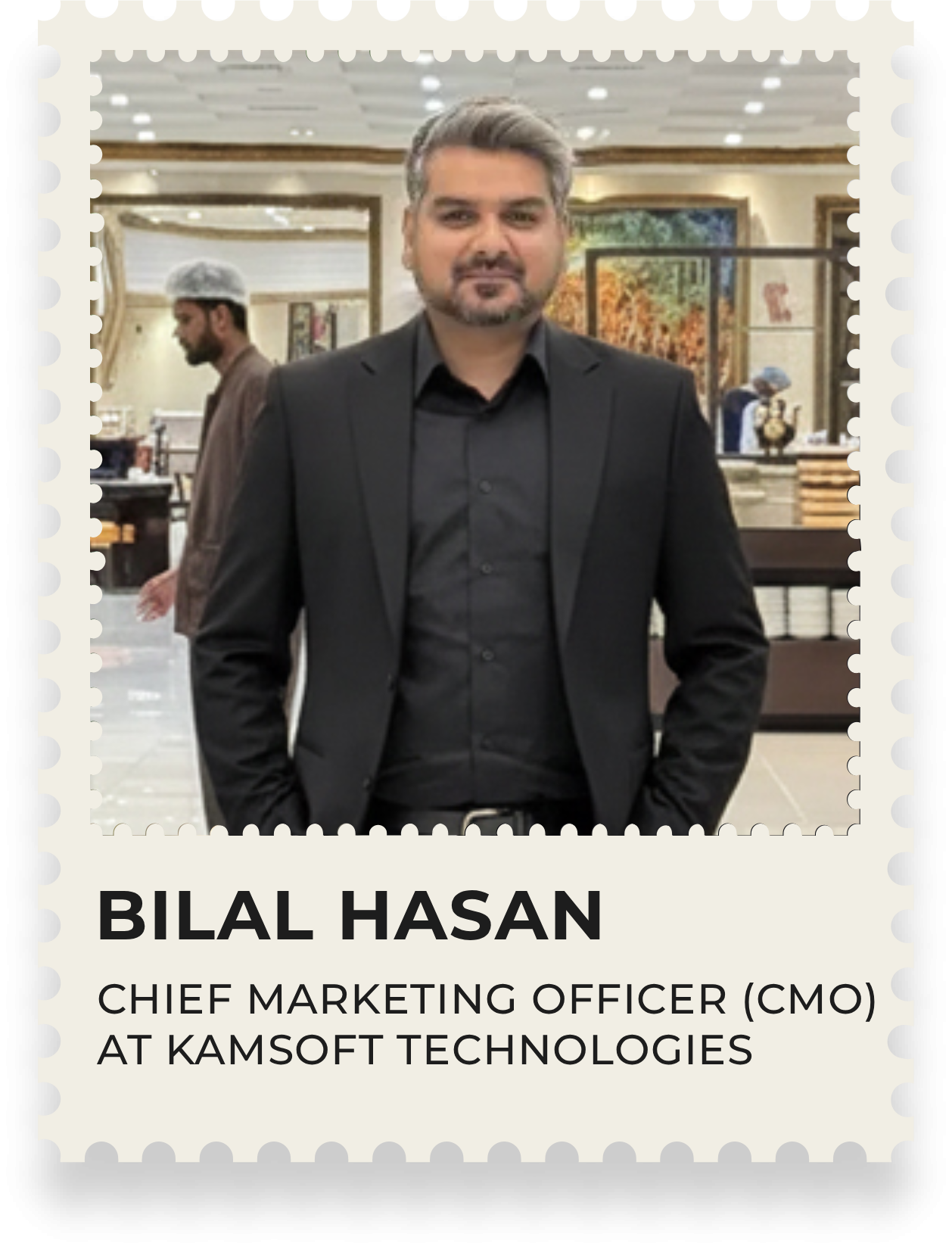
Bilal Hasan Is Marketing a Karachi Tech Company by Building the Room Around It
Kamsoft’s chief marketing officer has turned a broad brief into a public practice of team-building, student access and industry diplomacy. His most revealing metric is not a campaign number, but a workforce that he says grew from 23 people to more than 120 in four years.

CivicPlus Wants to Be the Operating System for City Hall
It began with four cities that were tired of calling a webmaster. Twenty-eight years later, CivicPlus is stitching websites, permits, potholes, public records and AI into one sprawling bet: that city hall would rather buy a connected system than babysit a dozen vendors.

The Turkish Word for Owner Became a Verb
Turkey's biggest marketplace started with 2,700 classified ads in 2000. A quarter century later, 'sahibinden' is how the country buys a house, sells a car, and rents an apartment - so much so that the name stopped being a website and started being a habit.

The Quiet Machine Room Behind Wall Street's Trades and Your Favorite Brand's Homepage
Two Wharton classmates started a "virtual" outsourcing shop in a small South Mumbai office in 2000. Twenty-five years later, eClerx settles trades, cleans data, and builds e-commerce pages for the Fortune 500 - and is betting its next chapter on AI that reshapes work instead of replacing people.

The $5 Gig Grew Up. Now It's Teaching the Robots to Ask Permission.
A marketplace born on a $5 promise now sits at the center of the AI-and-work fight - and it is trying to hand the paintbrush to the people, not the machine.

Informa Built a £4 Billion Business by Owning the Room
The FTSE 100 group does not sell one product. It builds the places - physical, academic and digital - where specialists find one another, learn what changed and decide what to buy next.
Jio Platforms
How a telecom upstart turned cheap data into an operating system for daily life in India - and why the world's biggest investors bought in.