cybersecurity-founder
(25)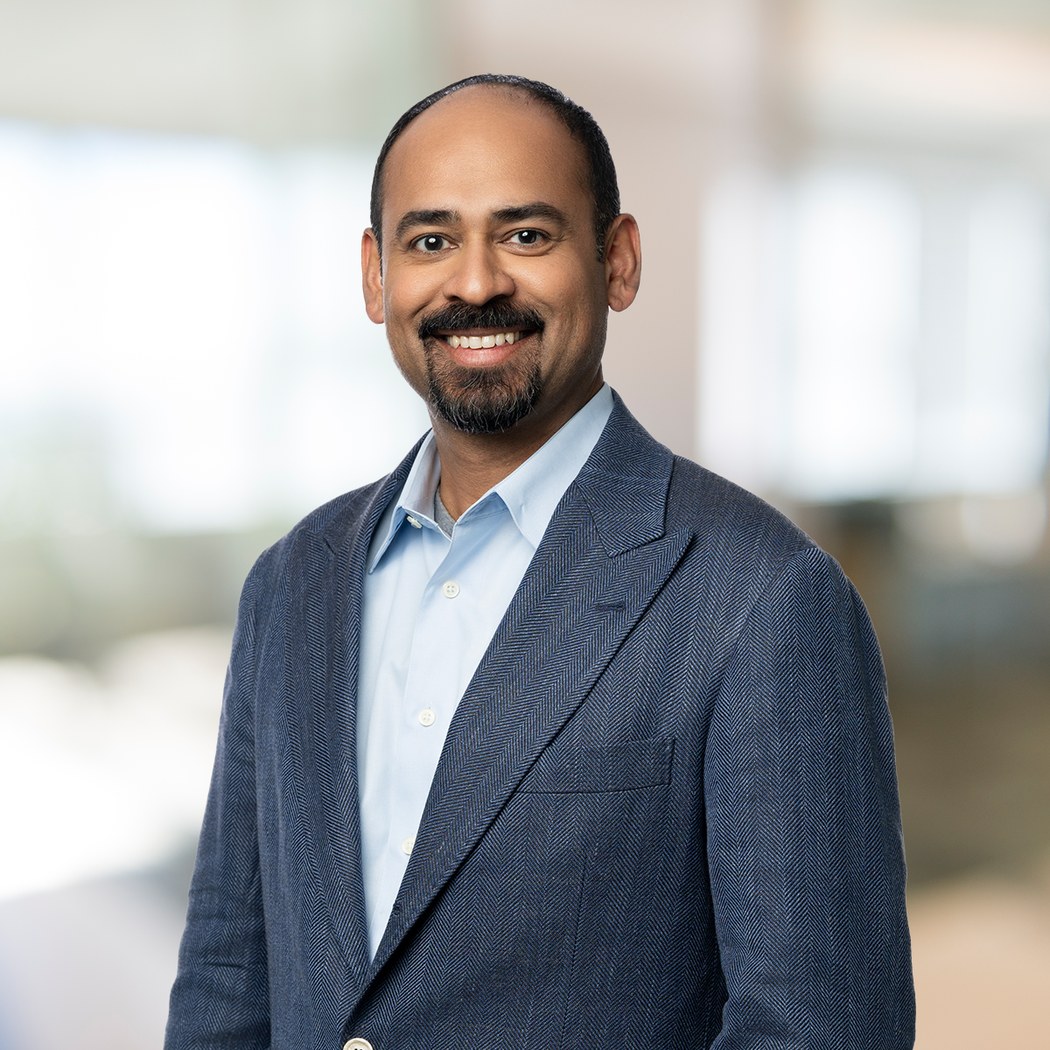
Yanek Korff Took the Job He Never Wanted - Then Built a Company Around What He Learned
He studied computer science to avoid working with people. An unexpected promotion, two bruising years, and one industry rant later, Yanek Korff became the operator teaching cybersecurity to show its work.
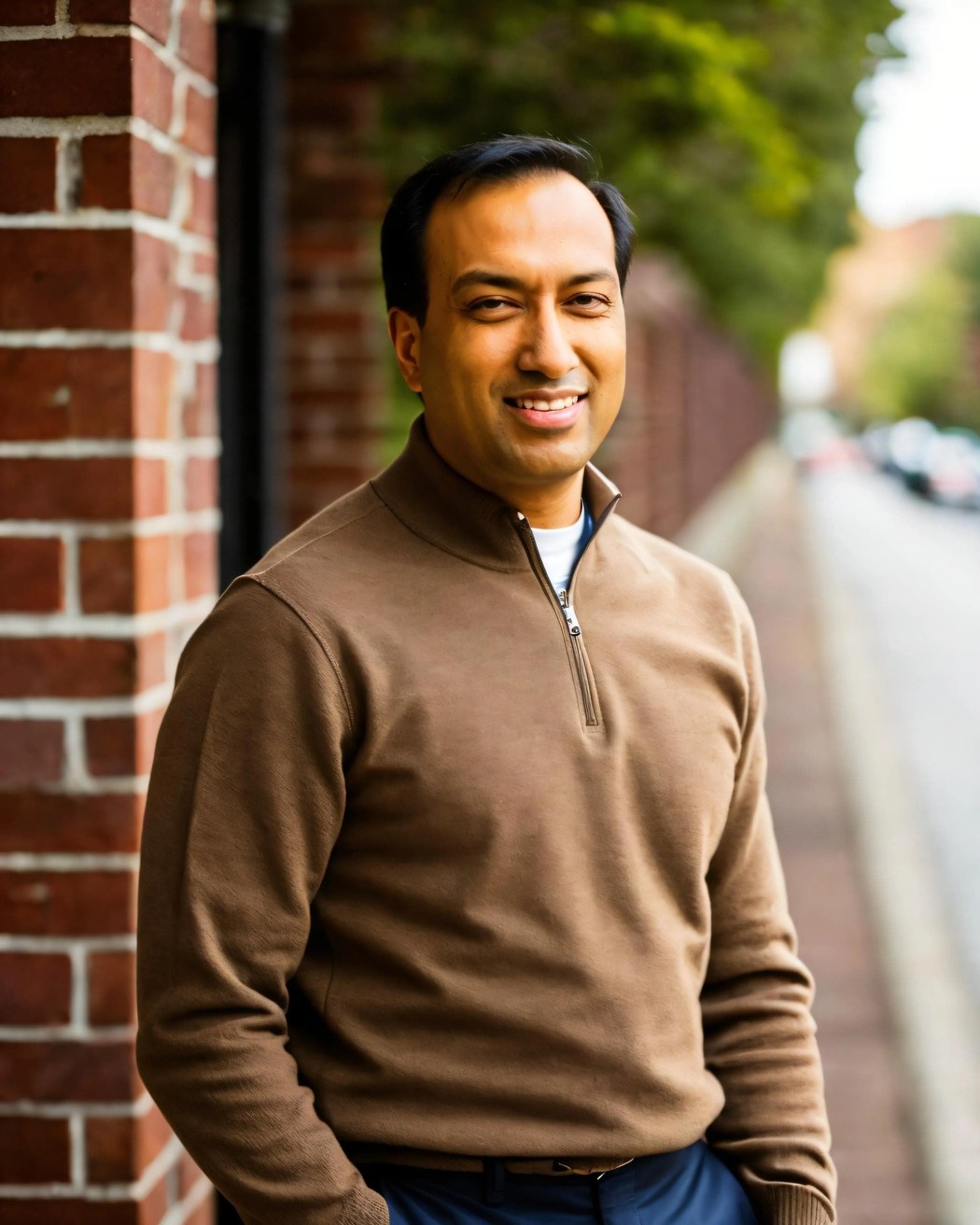
Anuj Goel and the Last Mile of Cyber Defense
At Citi, he watched valuable threat intelligence stall between teams and tools. Cyware is his attempt to close that stubborn gap between knowing and doing.
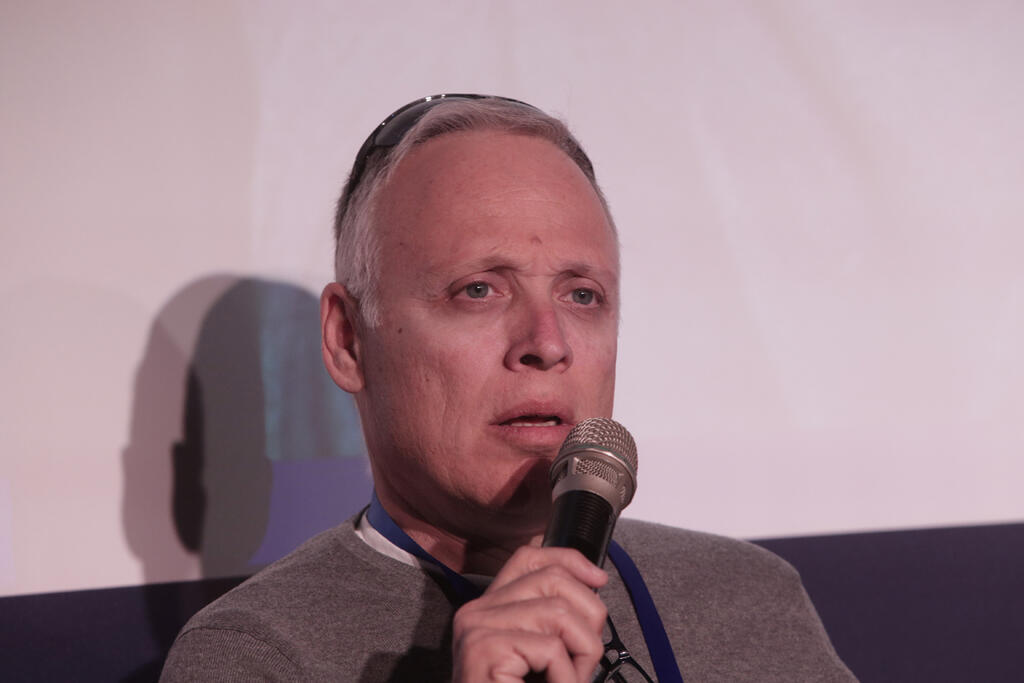
Ron Rymon Turned One Miserable Code Audit Into a Company
A punishing due-diligence exercise showed a computer scientist that open-source security was working against developers. His answer became WhiteSource, now Mend.io - and the clearest expression of a career spent turning technical friction into companies.
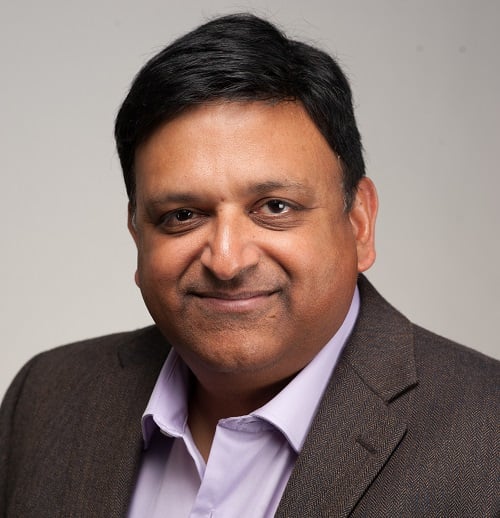
Satya Gupta Bet That Good Software Could Police Itself
A childhood in India, a short stay at General Motors and one consequential coffee led the Virsec founder to a deceptively plain question: why chase every attacker when software can be held to its own rules?
Jon Murchison Came Back to the Keyboard
After twelve years thinking like an adversary at the NSA, Blackpoint Cyber's founder built a defense company around decisive action. Then he gave up the CEO title to get closer to the product, the security operations center and the partners who use both.
Pankit Desai Left the Corporate Ladder to Make Security Less Complicated
After learning turnarounds, offshoring and the rude mathematics of a downturn, Pankit Desai made one late-career wager: serious cybersecurity should not be reserved for companies with serious money.
Kevin Gosschalk Changed the Question the Internet Asks
A game designer looked at the web's ugliest security ritual and saw an economic contest. A decade later, Kevin Gosschalk is asking what happens when the helpful shopper and the thief arrive wearing the same machine-made face.

Ganesh Pai Put the Cloud on the Witness Stand
The Uptycs founder has spent a career turning unruly infrastructure into questions a machine can answer. His latest wager is that security teams need evidence more than another black box.

Jason Martin Built for the Breach - Then AI Gave Every Machine a Badge
After 25 years in cybersecurity, Martin stopped treating identity as a login problem and started following what every human, machine, and AI agent did next. That bet took Permiso from 100 interviews before code to an acquisition by Okta.

Christopher Lambert Built a Career by Following the Clues Everyone Else Ignored
Before BitPatrol became part of Snyk’s security stack, Lambert spent years building odd, useful software and hunting the credentials that conventional scanners missed. The through-line is simple: notice the overlooked detail, then make it operational.
Kareem Selim Spent Years Breaking Apps. Now He Wants to Secure One in a Click.
The RASPIRE co-founder turned a decade of CTFs, audits and broken mobile apps into a simple proposition: upload the build, harden it, and keep shipping.
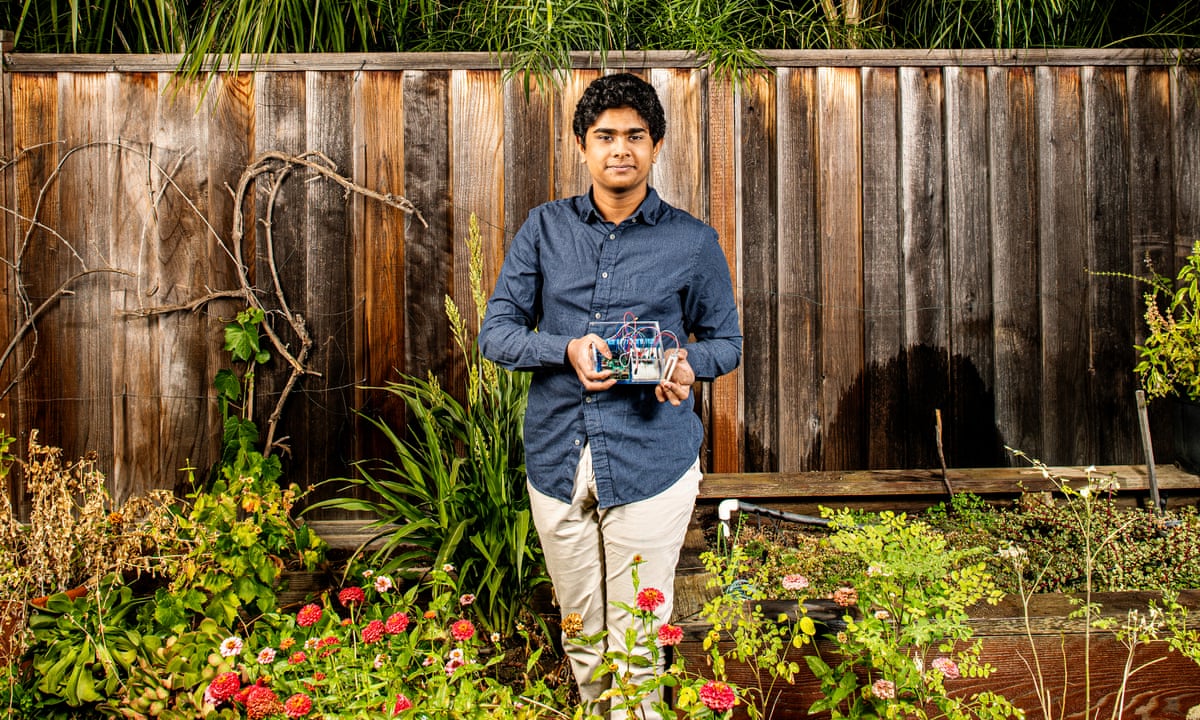
From Smart Sprinklers to Insider Risk, Adarsh Ambati Follows the Signal
Before Candor began stitching together the clues behind insider risk, its founder spent years studying another kind of waste: sprinklers watering California lawns at the wrong time. The domains changed. His habit of following overlooked signals did not.
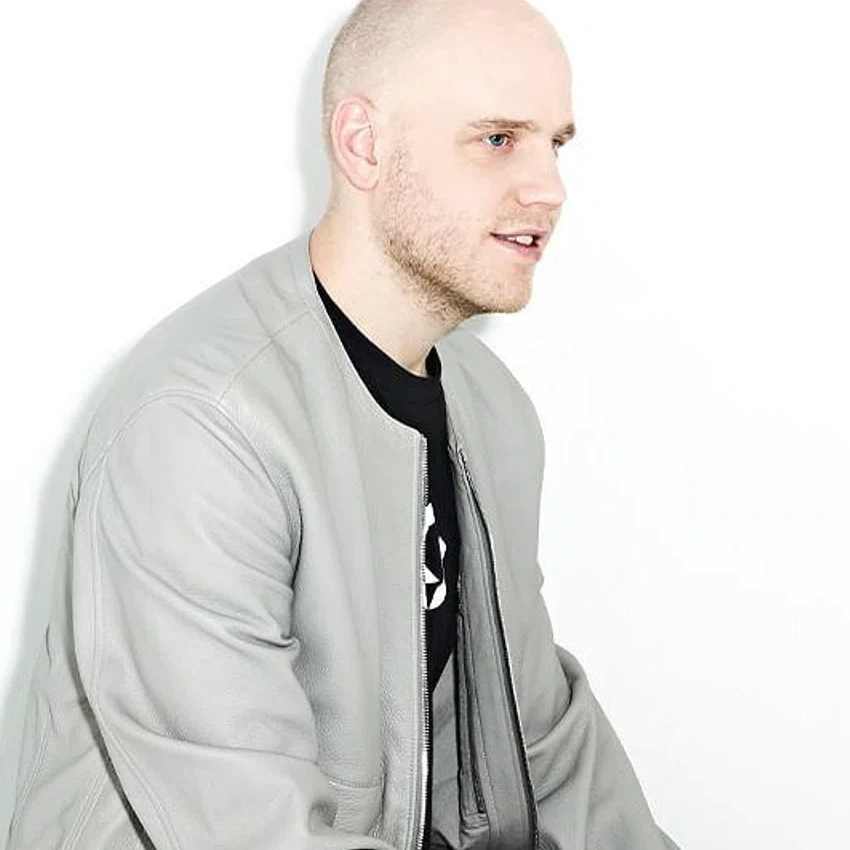
Benjamin Harris Got Expelled for Hacking. Then He Built a Company Around the Attacker's View.
A school expulsion, a two-week ultimatum and a one-way ticket to Singapore became the unlikely operating system for watchTowr - a security company built to see what attackers see before they act.

Andy Smith Bet the Breach Would Happen. Then He Hid the Alarm.
The Tracebit co-founder is turning a decades-old cybersecurity decoy into cloud infrastructure - and betting that an attacker, human or artificial, only needs to touch the wrong thing once.
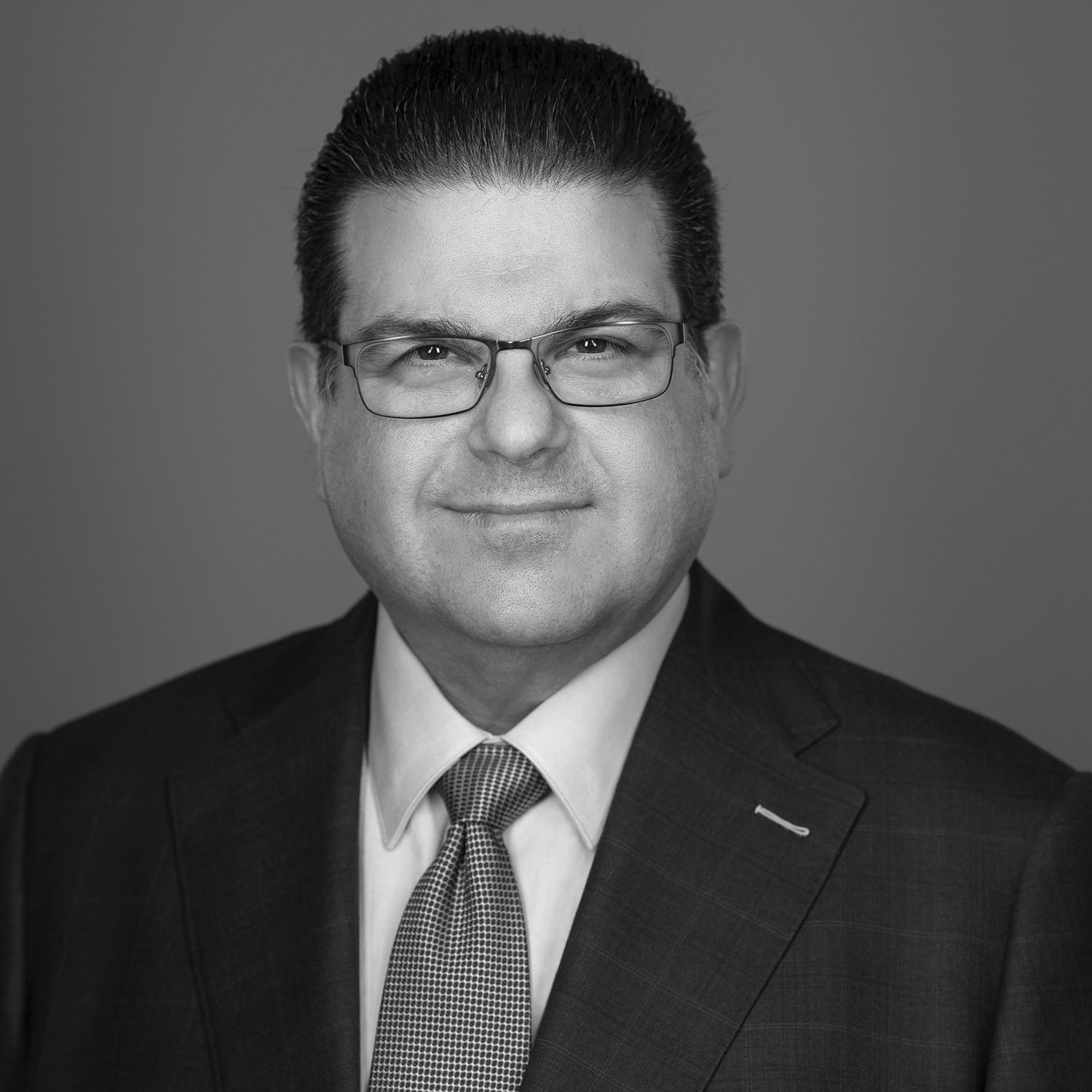
Nicholas Stamos Has Spent a Career Teaching Sensitive Files Some Manners
From clinical-trial software to Digital Guardian to eSHARE, the Tufts-trained engineer keeps returning to one stubborn question: how can important information move without slipping out of its owner’s control?
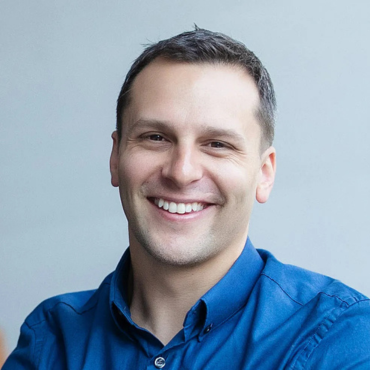
The Hacker Who Put the Annual Pentest on a Permanent Shift
Casey Cammilleri spent years being paid to break into companies. Then he found the more stubborn vulnerability: an industry still treating security like an annual appointment.
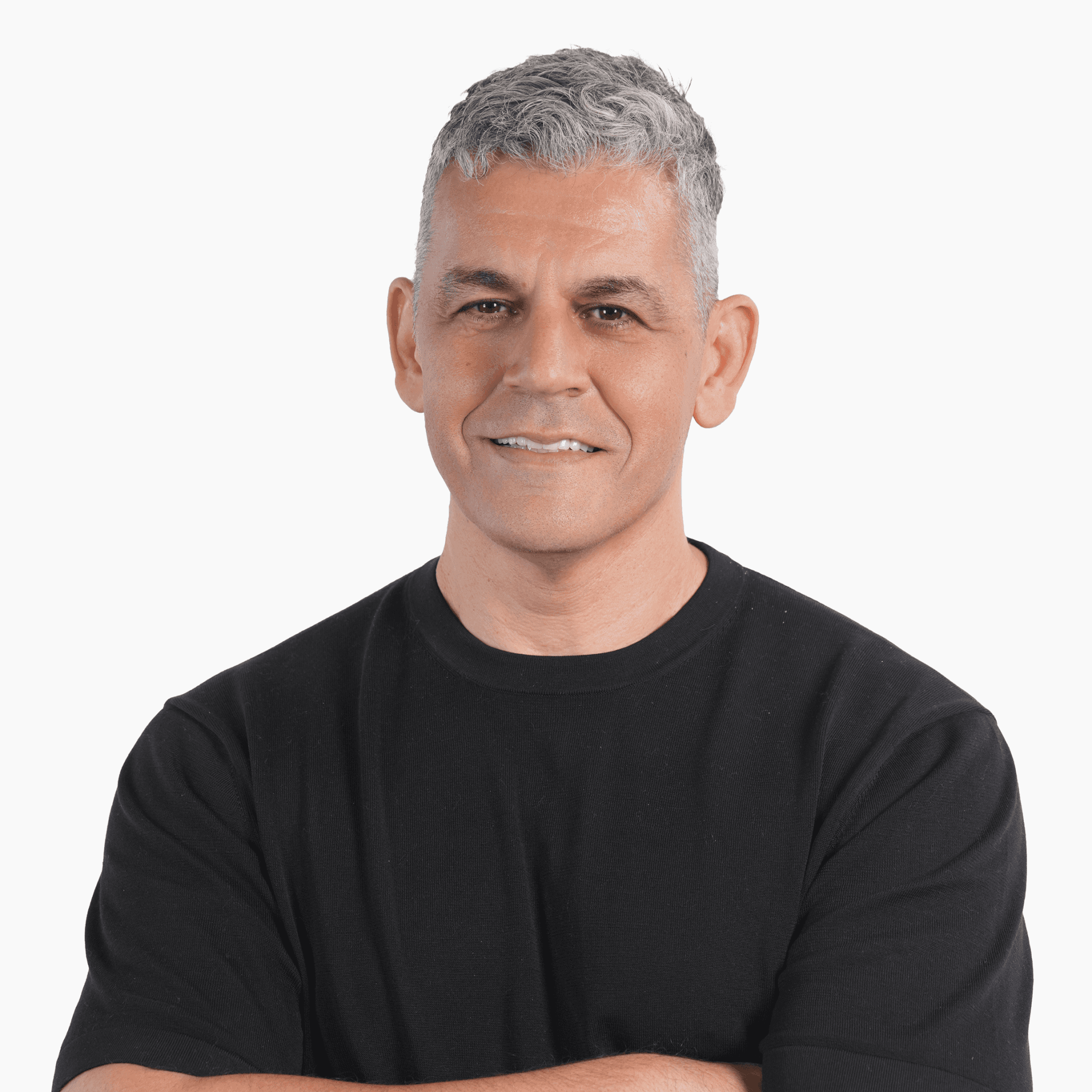
Benny Czarny Built a Cybersecurity Company Around One Annoying Question
He began by translating the unruly dialects of antivirus software. Twenty-four years later, Benny Czarny is still asking an unfashionable question: why let a suspicious file in at all?

Rita Gurevich Built a Cybersecurity Company From the Mess Nobody Wanted to Clean Up
After Lehman Brothers collapsed, Rita Gurevich learned that the hardest technology problem was often the least glamorous: working out who owned what and who should have access. She turned that lesson into SPHERE, then spent eleven years bootstrapping before taking outside capital.
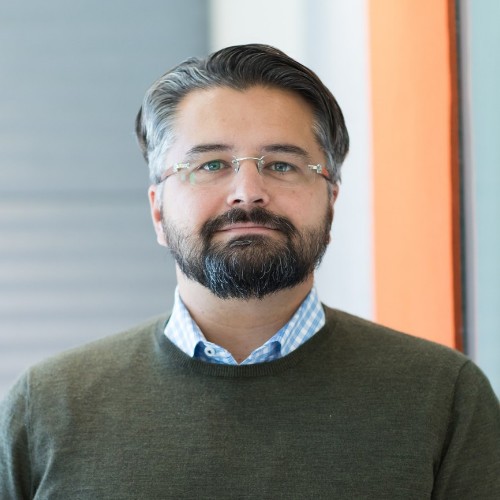
Dylan Ayrey Went Looking for Bug Bounties. He Found a Company in the Commit History.
A weekend security tool escaped its creator's laptop, found a global community, and became Truffle Security. Ayrey's real trick was learning that the history developers delete can be more revealing than the code they keep.

Steve Carter Turned Vulnerability Chaos Into a Company
Before Nucleus Security became an enterprise platform, it was a working answer to a federal problem: too many findings, too many handoffs, and too little time. Steve Carter has spent his career closing that gap between knowing and doing.
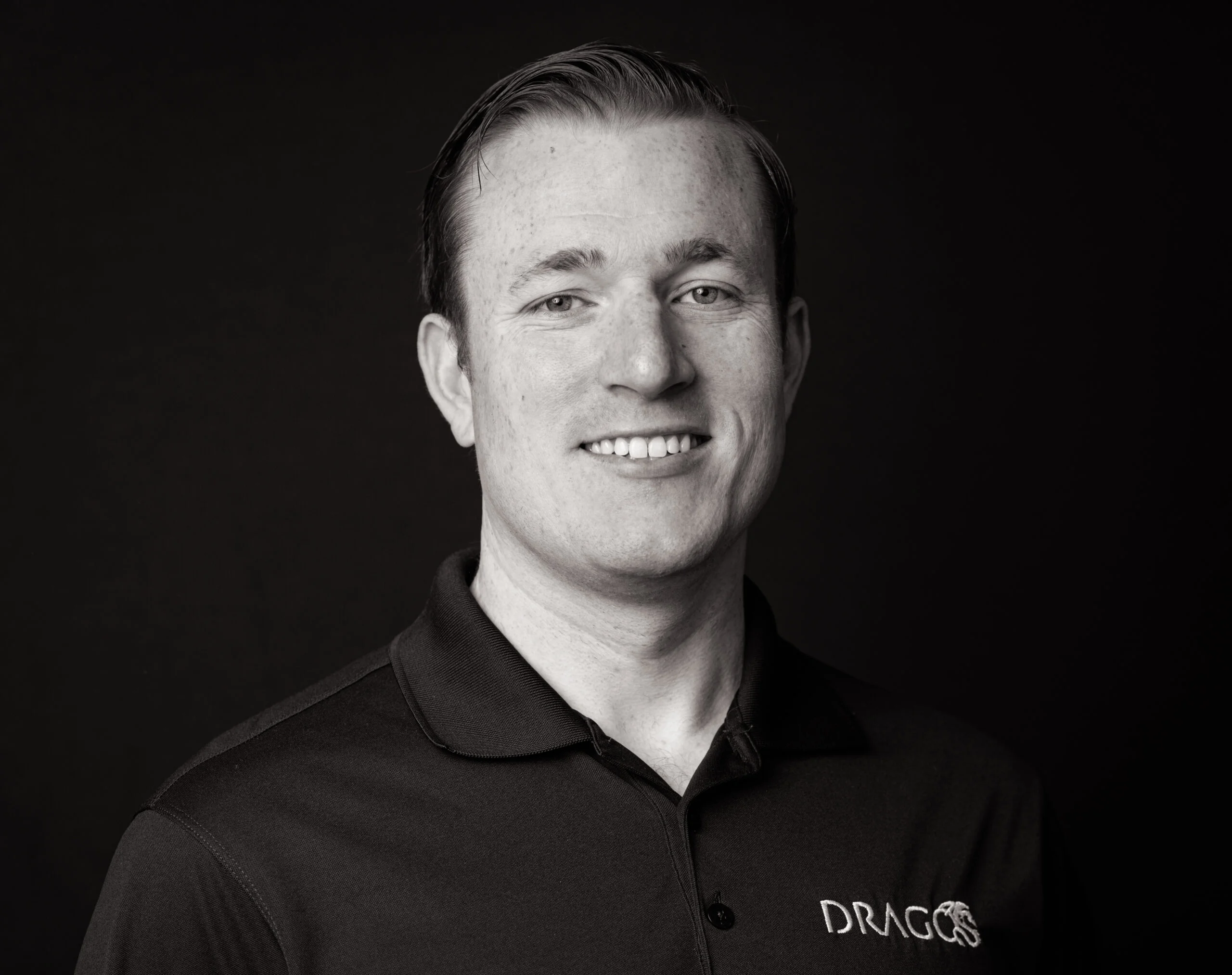
Robert M. Lee Is Building Cybersecurity for the Machines That Keep Civilization Running
Before industrial cybersecurity had a common language, Lee was helping invent one. Now the Dragos co-founder is trying to turn hard-won lessons from grids, pipelines and factory floors into a durable system of defense.

Brooke Motta Built a Security Company From a Hike - Then Taught It to Watch Behavior
A career spent selling security taught Brooke Motta to listen for the gap between a new technology and the tools meant to protect it. RAD Security began on a Flagstaff trail and now follows behavior across cloud workloads and AI agents.
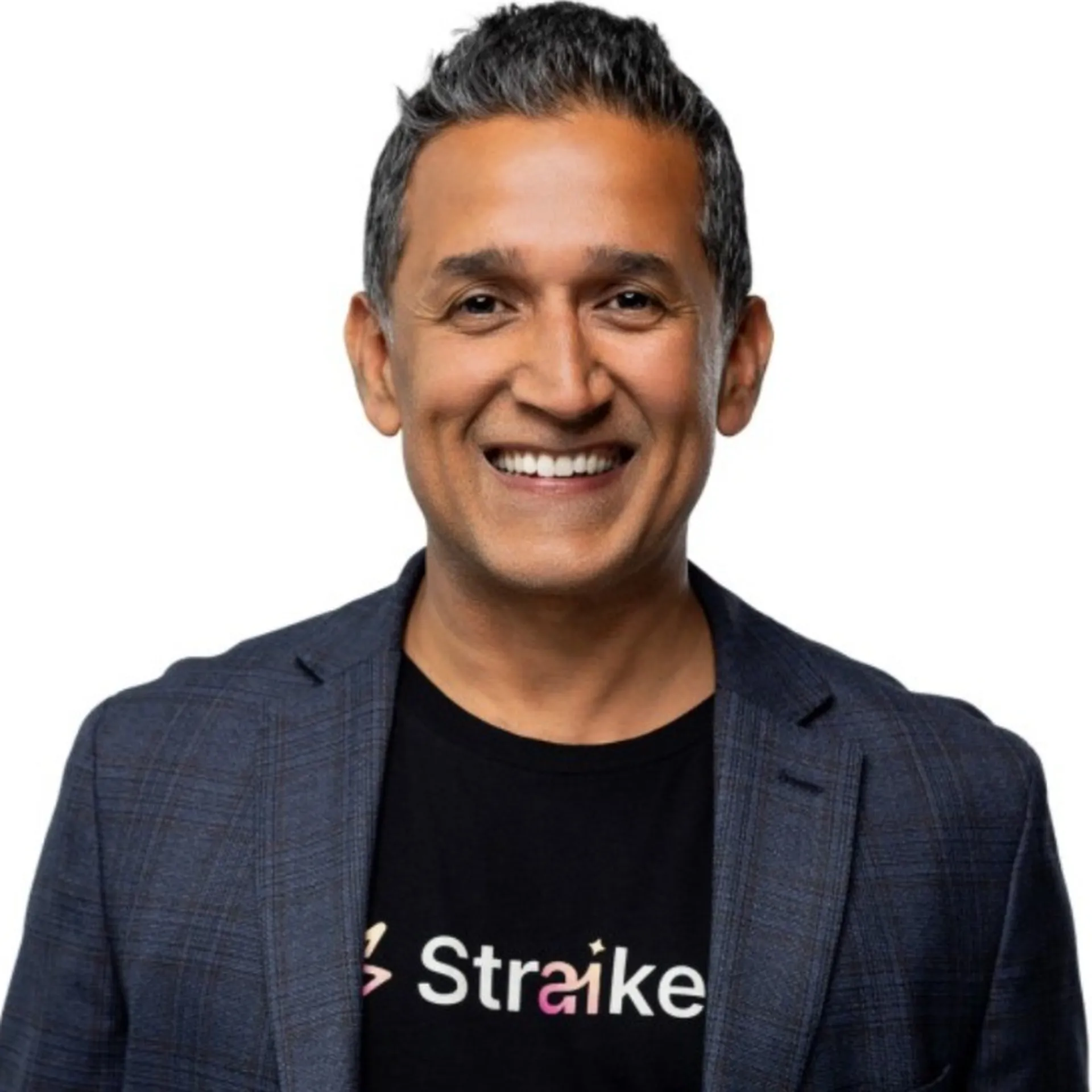
Ankur Shah Is Building Security for Software That Can Act
After helping scale cloud security into a platform, Ankur Shah saw the next boundary move again. At Straiker, he is designing defenses for AI agents that can reason, reach into company systems and act on their own.
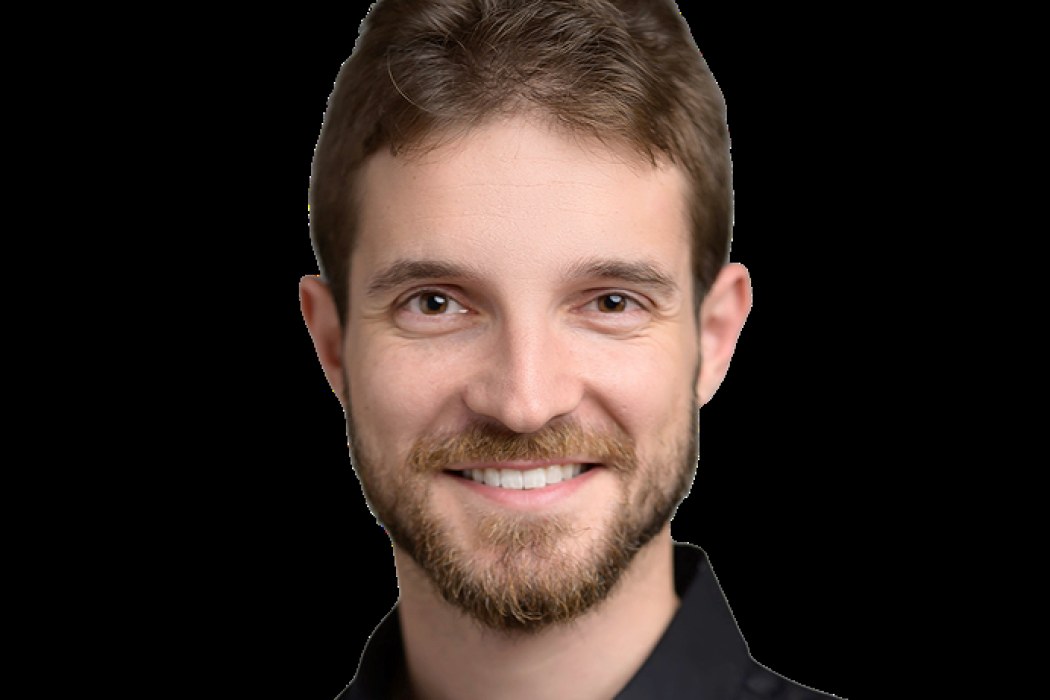
David Lazerson
David Lazerson is the co-founder and CEO of Briya, a healthcare technology company that connects hospitals, research institutions, and life sciences organizations so they can share de-identified, real-world patient data securely and in compliance with U.S. and European privacy rules. A physicist and cognitive scientist by training and a former Israeli military cyber operations officer, Lazerson built Briya on cryptography, federated learning, and zero-knowledge proofs, and in 2025 launched Briya AIRE, a clinical-grade AI research assistant that lets researchers ask questions in plain language instead of writing code.
Brian Silverstein
Brian Silverstein is the founder and CEO of MirrorTab, a San Francisco cybersecurity company that treats the browser as the new battleground and tries to take it off the table entirely. Using server-side isolation, MirrorTab strips the client-side attack surface so malware, malicious extensions, and bots never touch the real code, data, or APIs behind a web session. Before MirrorTab he was an early co-founder and CTO of Honey, the shopping-rewards browser extension acquired by PayPal, and an engineer at Apple, Nest, Broadcom, and Freescale. A Cornell-trained electrical engineer with eight patents, he raised an $8.5M seed in 2025 led by Valley Capital Partners with GV and others.