clinical-informatics
(5)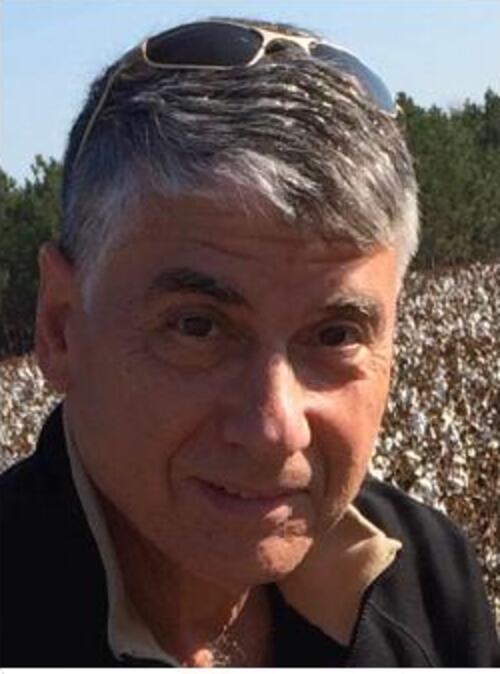
Andy Schuyler Spent a Career Turning Health Data Into Decisions
Long before healthcare software learned to say “AI,” the physician executive was arguing for a humbler achievement: weave scattered information together, put it where decisions happen, and make it useful.
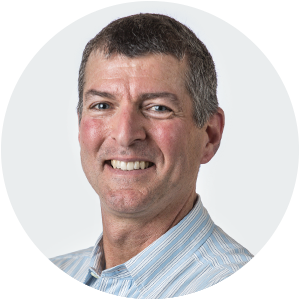
Henry DePhillips Put the House Call on a Screen - Then Followed the Data
Before virtual care became ordinary, Henry DePhillips was arguing that convenience still needed clinical discipline. His career traces healthcare's long migration from the exam room to the screen, and from the screen to the spreadsheet.
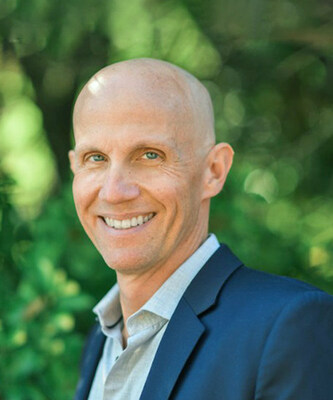
Darren Schulte Is Building the Operating System Between the Appointment and the Crisis
The physician-executive spent two decades teaching software to read the chart. At Vynca, he is tackling the harder problem: turning those signals into coordinated action before a routine gap becomes a costly crisis.
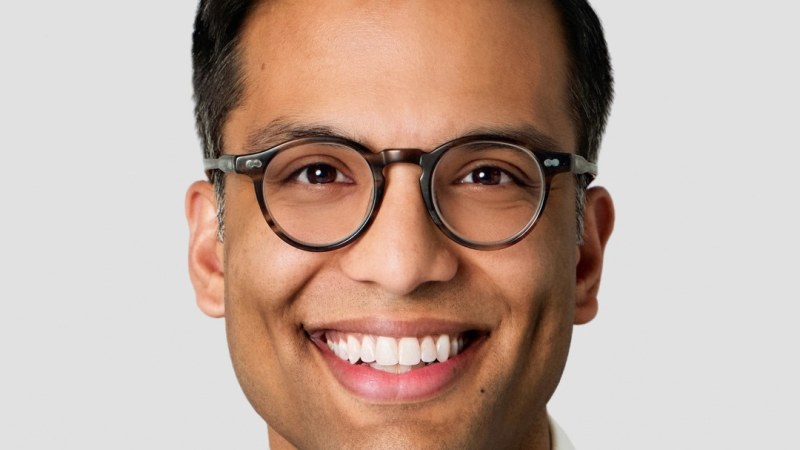
Vish Srivastava
Vish Srivastava is the co-founder and CEO of Century Health, a New York based AI company turning the messy, unstructured clinical notes buried inside electronic health records into structured, analyzable real-world evidence. Century's abstraction engine, CHARM, reads doctors' notes and pathology reports and pulls out clinical variables with 97% validated accuracy while keeping traceability back to the source document. The company focuses on therapeutic areas like gastroenterology, neurology, and rheumatology, and raised an oversubscribed $5M seed round in May 2026 led by Origin Ventures. Srivastava's pitch is simple and stubborn: the data needed to accelerate medical breakthroughs has already been collected during patient care; it just needs to be made accessible and actionable.
Dan Riskin
Dan Riskin is a physician-entrepreneur, trauma surgeon, and healthcare AI executive who founded Verantos in 2015 to generate high-validity real-world evidence from messy clinical data. A serial innovator who began coding at age 5 and sold software at 12, Riskin holds an MD from Boston University and an MBA from MIT, is board-certified in four specialties, and serves as Clinical Professor of Surgery at Stanford. His prior company Health Fidelity was acquired for more than $150 million. Today, Verantos powers regulatory and reimbursement decisions for major pharmaceutical companies by turning fragmented EHR data into research-grade evidence at scale.