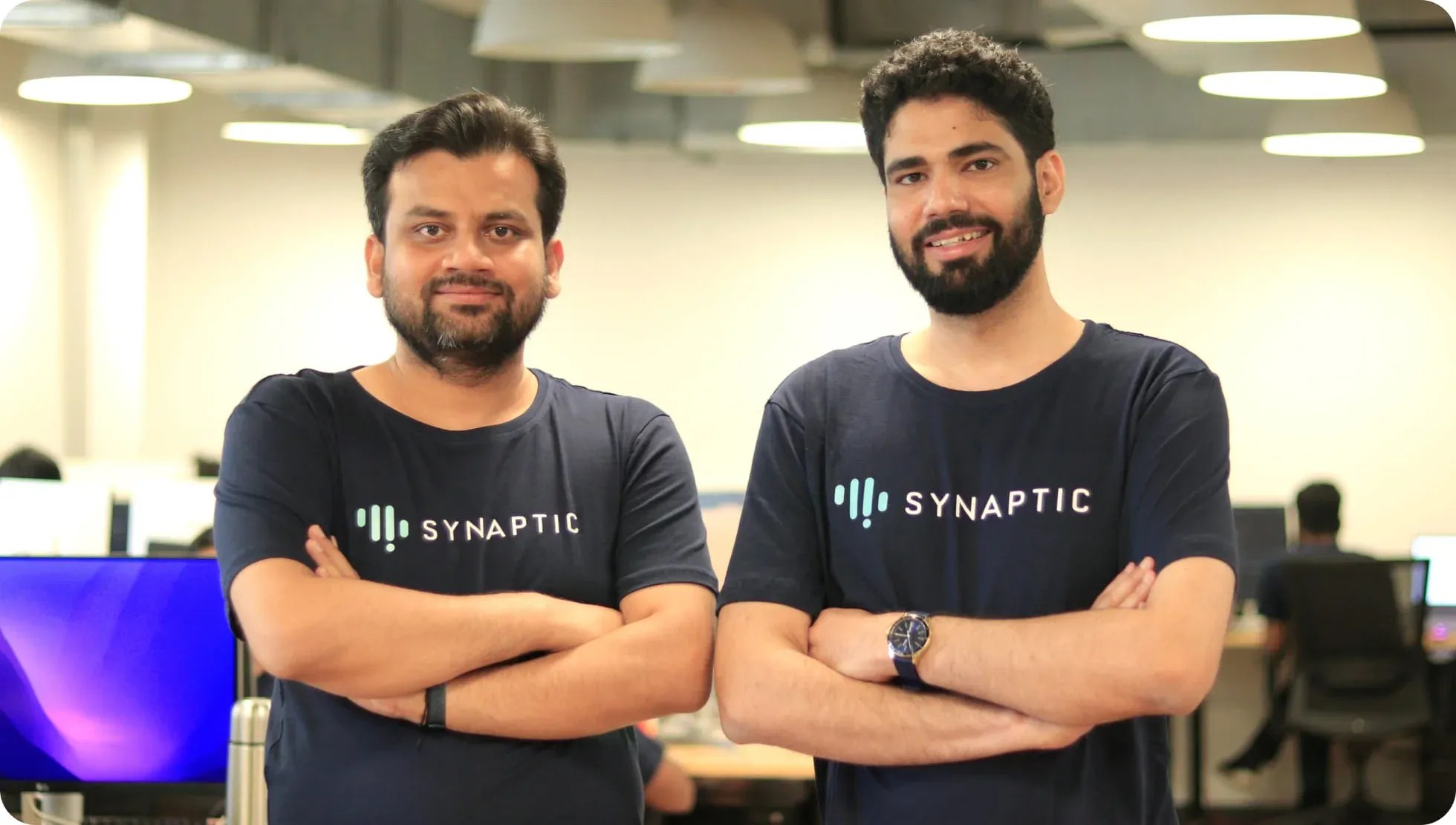
In 2014, the first version of Synaptic listened to earnings calls. Alexander Tamas, the investor behind Vy Capital, wanted better tools for seeing what the market might be missing. He brought in engineers Anurag Abbott and Rohit Razdan. Their experiment read the mood of company executives. It was a modest beginning for a company that would eventually promise to map the far murkier world of private businesses.
The short version
- Synaptic helps investors find companies and founders, compare signals, and keep watchlists current.
- It was built inside Vy Capital, then spun out by Abbott and Razdan in 2016.
- Its second act, PortfolioIQ, came from clients struggling to organize their own portfolio data.
The change in scope makes sense once you notice what an investor is actually buying. A transcript is useful only if it helps answer a question: Which company deserves a closer look? Hiring speed, app performance, product reviews and website traction can all be another clue. Synaptic’s founders moved from reading one kind of evidence to assembling many kinds under a company name. The hard part was making the clues agree on which company they described.
A thesis needs legs
Most investment firms already have a thesis. Some write it on a whiteboard; others fit it into a splendid slide deck. The weakness is that a thesis does not walk around the internet looking for companies that satisfy it. Someone has to search, sort, revisit and notice when a quiet business starts to move.
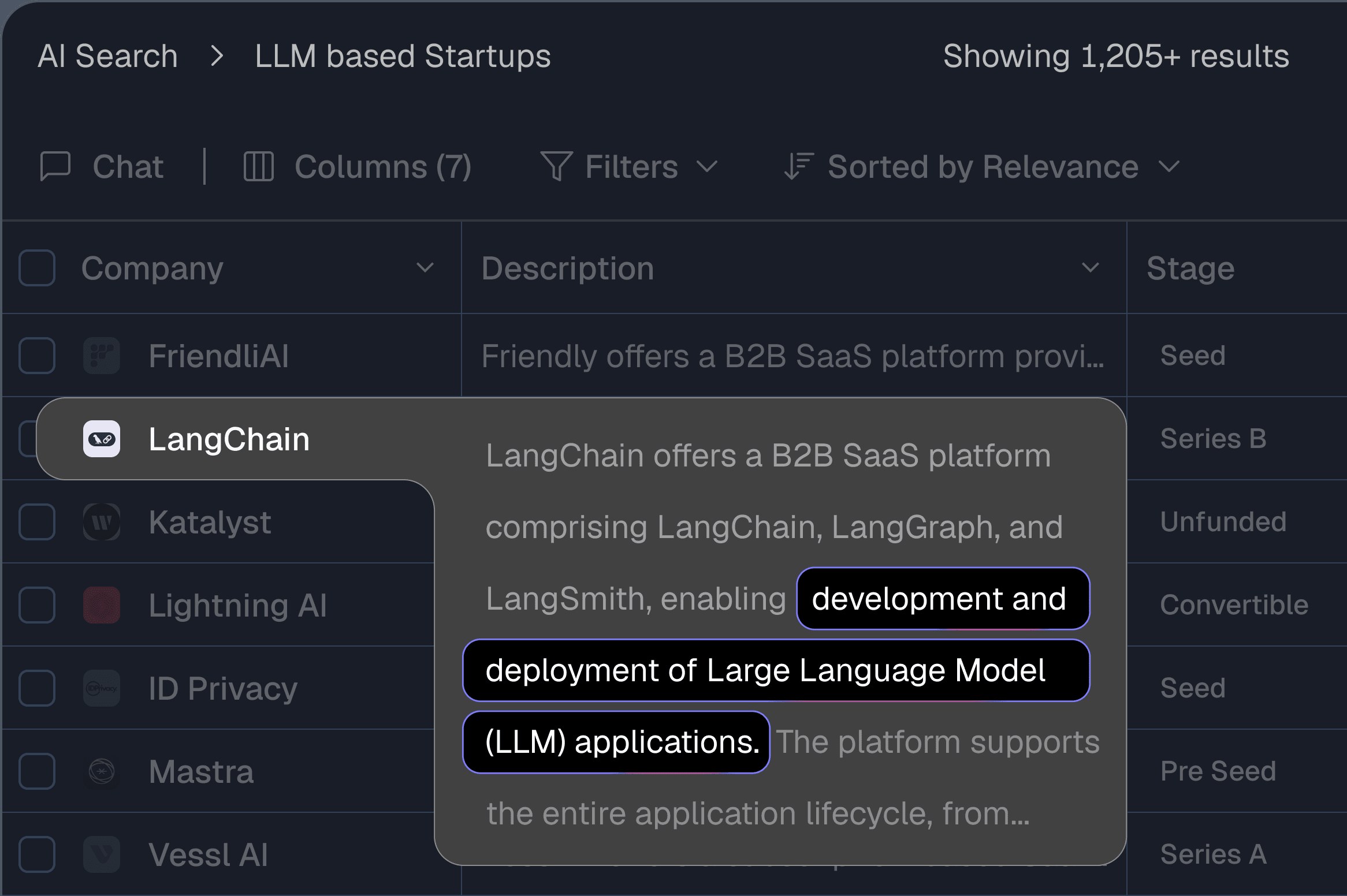
Synaptic sells that routine as software. Its current sourcing product lets investors describe a target in natural language, search for founders by background and experience, examine team composition, and set alerts when new companies match a saved search. The company’s site presents a path from discovery to analysis to monitoring. Its integrations bring customer relationship management systems and third-party data into the same workflow. This is why the product is more than a list of startups: a list goes stale the moment it is exported.
An investor’s loop
Consider a small fund looking for climate startups with a very particular technical focus. Its partners can ask colleagues and wait for an introduction. They can also build an outbound search. Transition Global, a London venture firm, says it used Synaptic’s deep industry classifications and an Affinity integration to do the latter. In the company’s published case study, Transition reports an 87% increase in its outbound sourcing pipeline. That number measures a pipeline, not investment returns. Still, it captures the practical appeal: more candidates that fit the brief, found without asking the network to deliver them.
The invisible work is the product
Synaptic competes in a crowded corner of finance technology. PitchBook and Crunchbase help investors search company records; newer sourcing systems compete to surface emerging firms; alternative-data specialists sell narrower streams of evidence. Synaptic’s argument is that an investment team should be able to move from a thesis to a company, from a company to its people and signals, and then into the team’s own process. Its edge, where it has one, lies in connecting records from different sources and keeping them usable for the next question.
Avenir offers a revealing example. The growth investor says Synaptic data feeds its investment committee materials and its internal analytics platform, Savoir. It also uses the data for proprietary scores, including a “grind score” combining employee sentiment about work-life balance with belief in the mission. Avenir partner Jared Sleeper says he built a presentation of that score in three minutes with Synaptic data and Sigma. It is a charming detail, though the point is not the stopwatch. Clean company identifiers and reusable data let a lean team invent its own questions without rebuilding the pipes each time.
“Synaptic is the core of our data architecture here. It is the beating heart of the rest of what we built.”Jared Sleeper / Avenir
Avenir also says the same data helps it find potential customers for portfolio companies. This is a useful test of any intelligence platform: can its information leave the investment committee deck and do something else? A list of possible buyers for a founder is less grand than a market prophecy and considerably easier to act on.
The spreadsheet talks back
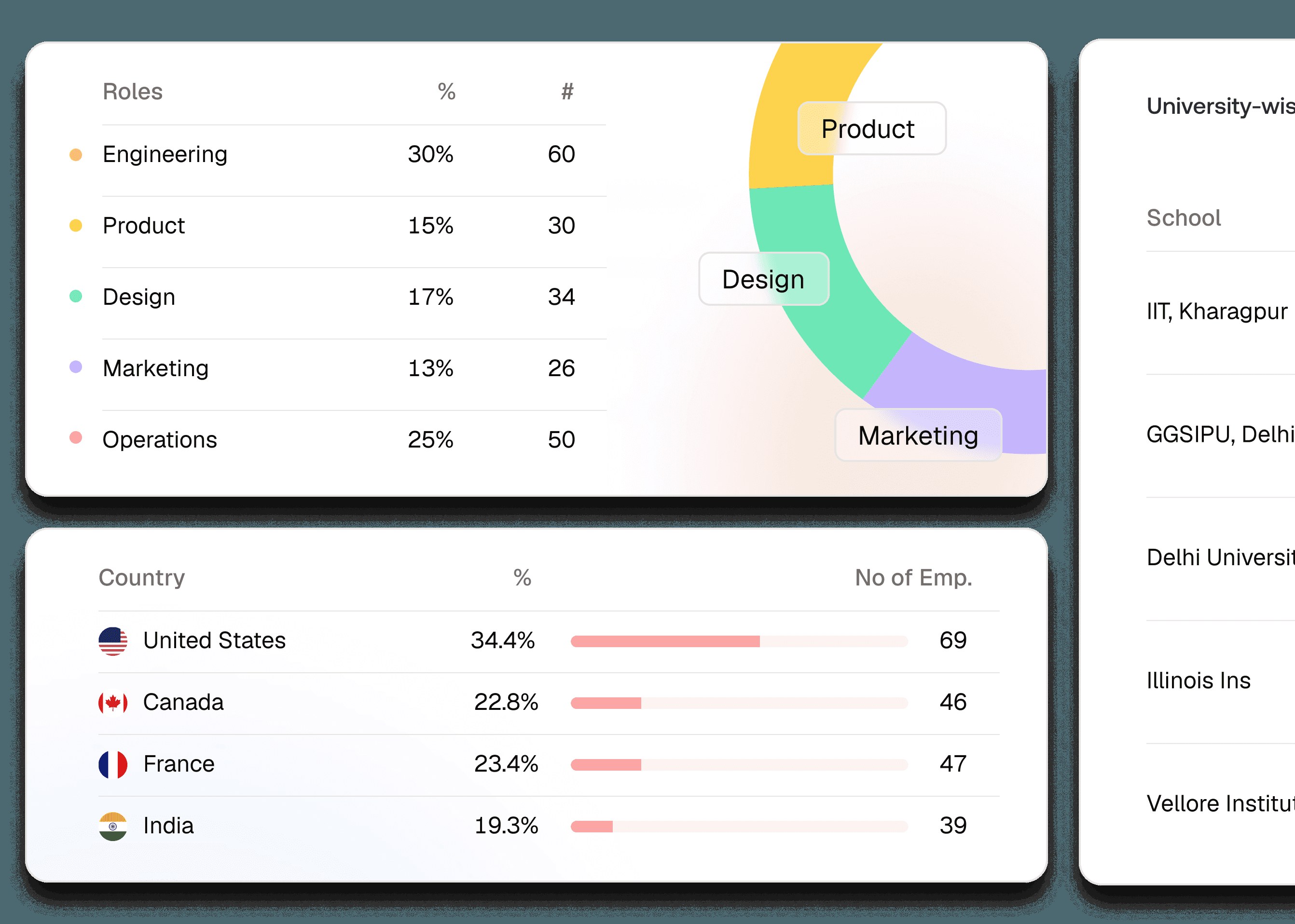
The company’s next product came from a different irritation. Customers told Synaptic how difficult it was to manage the information coming from companies they already owned. The firm surveyed more than 120 fund managers in 2024 and reported that only about 15% were satisfied with their portfolio-monitoring solution. It introduced PortfolioIQ that year, moving from the search for a future investment into the housekeeping of existing ones. Pinegrove, Greenoaks and Sequoia Heritage are among the firms Synaptic names in connection with the product.
That expansion says something about the company’s business model. Synaptic sells software and data services to professional investment teams; it invites prospective customers to request a trial or demo, and does not publish a standard price. In a 2022 Series B announcement, it said the $20 million round led by Valor Equity Partners would support product development, data science, vendor partnerships and sales. The cost of building the platform is therefore visible only in broad strokes. A buyer’s actual bill remains a private conversation.
For another investor, there is a copyable method here, even without Synaptic. Write down a narrow thesis. Decide which observable changes would make a company worth calling. Save the search, check it on a schedule, and record why a signal led to a meeting or did not. The discipline matters more than the dashboard. If the market is too small, the data too sparse, or the decisive evidence hidden in customer calls and financial statements, alerts will be thin help. Website visits are a clue, not revenue; hiring is a clue, not product-market fit.
Synaptic’s own history is a reminder of that distinction. The earnings-call experiment did not become a grand machine by proving that sentiment alone could pick winners. Its makers kept adding the evidence investors asked for, then followed customers into the less glamorous work of portfolio reporting. In private markets, where every confident story arrives with missing numbers, a good radar does not replace judgment. It tells you where to look next.