Consider the apparently simple act of renting an Nvidia H100. The chip has a name. The provider has a price. A spreadsheet can make the purchase look wonderfully tidy. Then the workload starts, and the tidy comparison becomes a mess: networking, configuration and the surrounding cluster affect what those rented hours actually produce. Silicon Data has built a business around that awkward interval between the specification and the result.
- Daily GPU indices give buyers and financial institutions a common pricing reference.
- SiliconMark tests the system’s performance, including the connections between machines.
- CME plans H100 and B200 compute futures for October 5, 2026, subject to regulatory review.
The New York company supplies market intelligence for the AI compute economy. Its audience includes AI builders trying to control costs, data-center operators trying to price capacity, and institutions trying to value or finance infrastructure. These parties have different incentives. They share a need for numbers that can survive a conversation with someone on the other side of a contract.
A trader notices the missing number
Carmen Li’s route into this problem ran through financial markets. She worked at DRW, later held roles at American Express and Citi, and managed data partnerships at Bloomberg. That background matters: a benchmark is a piece of machinery that lets people with competing interests discuss the same thing.
In a May 2026 interview with former Bloomberg colleague Ted Merz, Li described a March 2024 conversation with DRW founder Don Wilson in Boca Raton. The issue was a commercial mismatch: AI services could be sold at fixed prices while the cost of providing their calculations moved around. Wilson agreed to provide seed capital. Li started Silicon Data the following month.
The origin makes its ambitions legible. A cloud-pricing page helps a buyer shop. A published reference price can help a buyer budget, a lender value collateral and an exchange design a contract. Silicon Data wants its measurements to travel across those decisions. It occupies the junction where infrastructure engineering meets market data.

Same chip. Different bargain.
By May 2025, Silicon Data reported aggregating 3.5 million market data points across 50 GPU chipsets and platforms. Volume, however, is only the beginning. Quotes must be made comparable. In December 2025, the company revised its A100 and H100 rental indices with expanded provider coverage and normalization accounting for interconnects, cluster scale, geography and performance variation.
That revision reveals the practical difficulty. An hourly number looks standardized before the underlying product is. Separating large-cloud benchmarks from specialist-provider markets helps expose differences that a single average could hide. Distribution through Bloomberg and, with dxFeed integration, Refinitiv puts these measurements into existing financial workflows.
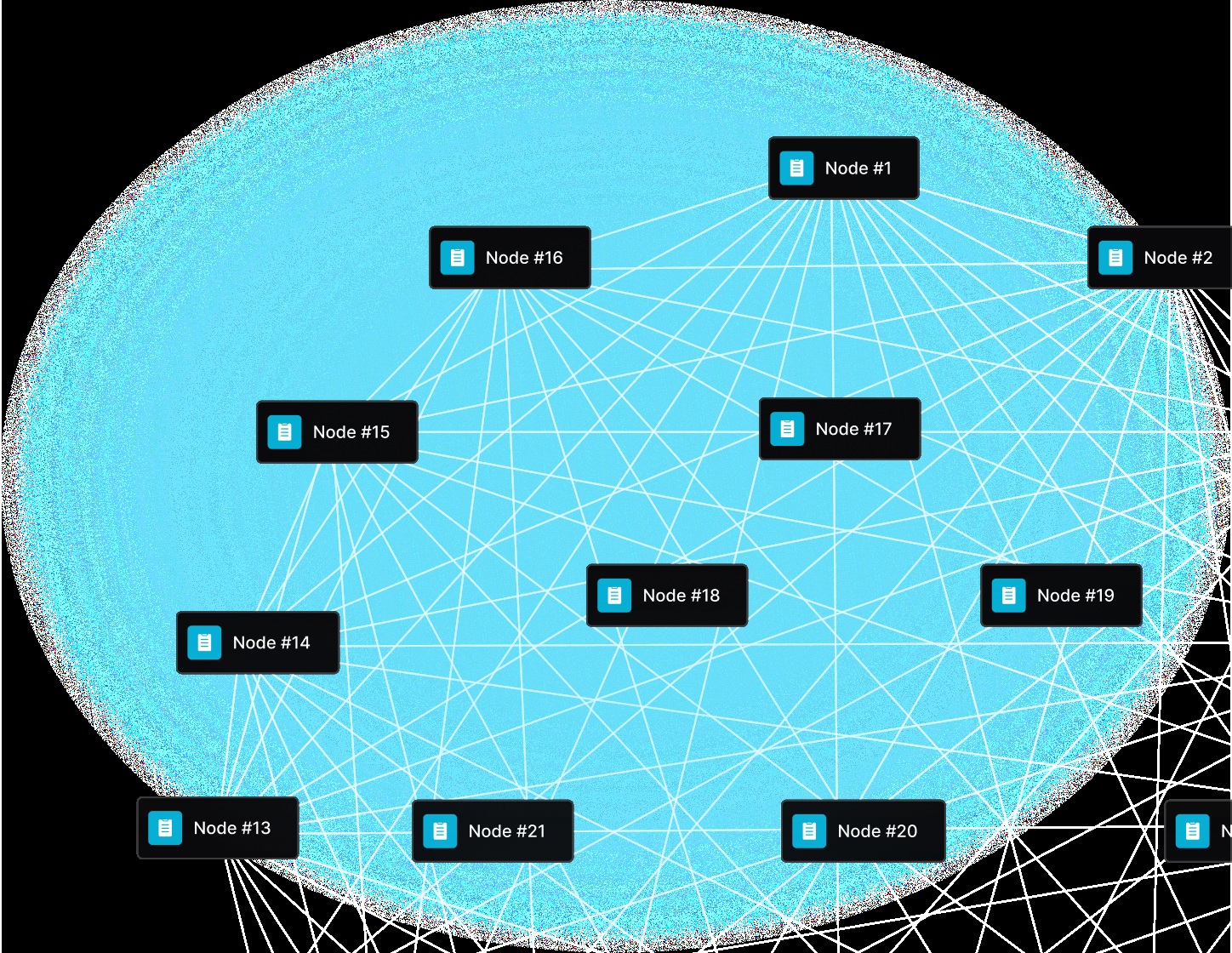
SiliconMark tackles the other side of the bargain: delivery. It evaluates GPU and cluster performance, adding inter-node bandwidth and latency measurements for multi-node systems. The distinction is useful for distributed AI workloads, where individual chips can be waiting for their neighbors. A chip specification alone cannot describe that conversation.
A buyer can compare market pricing, then test whether the proposed infrastructure performs adequately. An operator can use benchmark results to demonstrate what a cluster offers. SiliconNavigator supplies hardware and pricing information; PriceIQ adds pricing analytics; SiliconCarbon estimates emissions using hardware, usage and location. Together, the tools turn a purchasing question into several measurable questions.
The megawatt illusion
SiliconSiteIQ, introduced in 2026, extends the argument to the building. Its product page illustrates a facility advertised at 10 megawatts with only 6.5 megawatts deployable for GPUs after cooling-related efficiency, networking and base infrastructure are considered. This is an illustrative scenario, not a survey of every data center.
Illustrative SiteIQ scenario. Cooling, networking and infrastructure consume part of the envelope.
SiteIQ takes inputs such as power, space, location and GPU preferences, then models deployable capacity and financial outcomes, including break-even utilization. The attraction for an investor is plain: the revenue model should begin with machines that can operate, rather than the largest number on a brochure. Engineering assumptions still decide how useful the answer is.
A rental bill enters the trading floor
The GPU Forward Curve, launched in April 2026, adds time to the comparison. It organizes rental rates by contract duration and derives implied forward rates across horizons up to 36 months. A term rate describes the cost of a commitment today; an implied rate is a mathematical reading of that structure. It is not a promise about a future invoice.
“Every mature market eventually develops independent referees”
Carmen Li / August 2026
CME’s planned H100 and B200 futures bring the reference-price idea into sharper focus. Scheduled for October 5, subject to regulatory review, they track specialist-cloud rental indices. The proposed contracts are financially settled and represent 730 GPU-hours each. They offer exposure to rental-price movements rather than delivery of a particular machine.
Silicon Data announced a $30.5 million initial Series A closing in August 2026, led by the Valor Atreides AI Fund. Added to its $4.7 million seed round, that is $35.2 million of announced financing. The new money is earmarked for pricing, performance measurement, institutional datasets and risk infrastructure. The company reported over 1,000 registered users and nine financial-grade indices at the time.
Start with the unit, then test the machine
The business sells subscriptions and enterprise packages. Basic access is free; Pro is advertised at $998 monthly with a seven-day trial. Enterprise data feeds and benchmarking deployments are quoted separately, while redistribution or financial-product reference use requires an index licence. Access to a dashboard and permission to build a financial instrument are distinct purchases.
The approach is worth copying even before buying anything: compare equivalent rental terms, test actual performance, and subtract overhead before forecasting capacity. The limits follow the same logic. A broad index may not match your location or contract; a benchmark must resemble your workload. Silicon Data’s proposition becomes useful when its numbers improve a real decision. The expensive chip deserves a less credulous spreadsheet.