Consider a child who gets a subtraction problem right. The teacher sees the answer. The family sees a mark on a worksheet. But how did the child get there? Counting backwards? Remembering a pattern? A lucky guess? Those are different kinds of understanding, dressed in the same correct answer. A classroom needs a way to tell them apart.
Seesaw Learning builds around that gap. A student can photograph work, draw over it, record an explanation, or make a video. The teacher can inspect the result and the reasoning. Families can see the work shared with them. The company calls this a learning experience platform; the less ceremonious description is a place where schoolwork acquires a voice.
- For young learners: several ways to show understanding, including speech, drawing, photographs, and video.
- For teachers: activities, portfolios, feedback, assessment, and curriculum in a connected workflow.
- For schools: paid subscriptions add coordination, reporting, and broader instructional tools.
- The useful question: does collecting the work change what someone teaches next?
The answer is only half the story
Imagine asking a student to photograph a model built with blocks and explain why it stands up. This is an illustrative classroom task, not a reported experiment. The photograph preserves the construction. The recording preserves the explanation. A teacher can now distinguish a well-built model from a well-understood principle. A family gets something more interesting than “we did science today.”
That is Seesaw’s particular expertise: making different forms of expression usable within a classroom routine. The student portfolio is the organizing device. Work does not have to begin on a screen to end up there. Paper, objects, performances, and spoken reflections can become evidence a teacher revisits. The screen serves as a notebook with a camera and microphone attached.
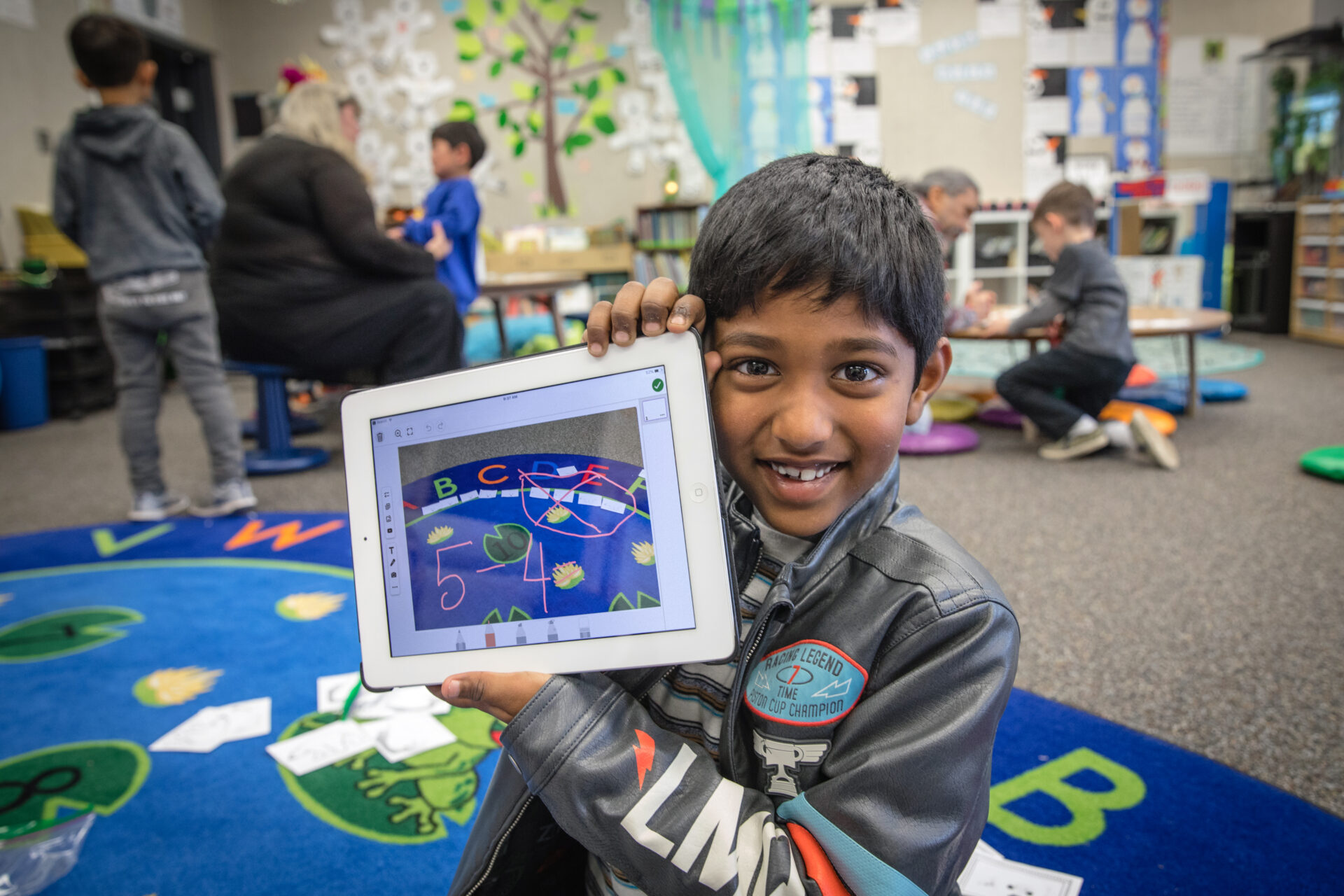
The family connection follows from the work. Instead of sending a general announcement about a class topic, an educator can share a particular child’s artifact. It supplies a starting point for a conversation: explain this drawing; show me how you worked that out. Messaging and learning evidence sit close enough together that communication can have something concrete to discuss.
This is a meaningful position in a crowded market, though it is not an exclusive invention. ClassDojo also offers student portfolios and family communication. Schools may already use Google Classroom, Canvas, or Schoology. Seesaw lists integrations with those systems, making the competitive picture pleasantly untidy: the alternative can also be a neighbor.
A classroom found the use for it
Seesaw’s founders, Adrian Graham and Carl Sjogreen, came from product development and engineering. Their earlier storytelling app attracted teachers after disappointing consumer uptake. Seesaw launched in 2015. That brief origin contains a useful business lesson: an audience can discover a product’s purpose before its creators give that purpose a name.
By the time Providence Equity Partners announced its investment in October 2021, Seesaw had become a classroom software business used internationally. The investor described organic growth driven by an active teacher community and word-of-mouth referrals. It also pointed to widespread adoption during the pandemic. Teachers were both users and a route into more classrooms.
A child-friendly interface helps that route, but so does compatibility with the devices already in a school. On Seesaw’s partnerships page, Beaverton School District’s Steve Simpson says, “The ease of implementation was really attractive.” He also singles out the Clever connection and support across Chromebooks and iPads. Getting through the classroom door involves some distinctly unromantic plumbing.
The portfolio becomes useful when its contents alter the next conversation, the next question, or the next lesson.
YesPress analysis
The teacher starts. The district pays.
The commercial model follows the route of adoption. Seesaw Starter provides a free entry point for teachers. Paid institutional plans expand what schools can coordinate and what teachers can access. A teacher can explore the core workflow; a school or district purchases the broader arrangement.
Current packages include Seesaw LMS, Instruction & Insights, and Seesaw AI. The distinction is more consequential than the names suggest. The institutional buyer needs school administration and progress monitoring. Premium instructional offerings add deeper assessment and content capabilities. The AI tier broadens the creation and adaptation tools available to educators.
Free teacher entry
Administration + instruction
Content, alignment, training
There is no universal school price on Seesaw’s current pricing page. Institutional buyers request a quote, and paid licenses are offered to schools or districts rather than individual teachers. Supplemental curriculum and professional development can add to the purchase. For a buyer, the sensible comparison is the complete package required for the intended teaching routine, including support.
The same restraint applies to corporate finance. Providence’s 2021 announcement did not disclose transaction terms. A large user count cannot settle questions about revenue or valuation. Students, educators, and family members are different participants in the system; they are not interchangeable with paying school contracts.
A microphone joins the assessment
Seesaw has expanded beyond preserving student work. Instruction & Insights includes engagement and learning dashboards, standards-related progress views, and reading fluency assessment. These tools give educators a route from individual artifacts to broader patterns. The promise is that evidence collected in ordinary teaching becomes usable for planning.
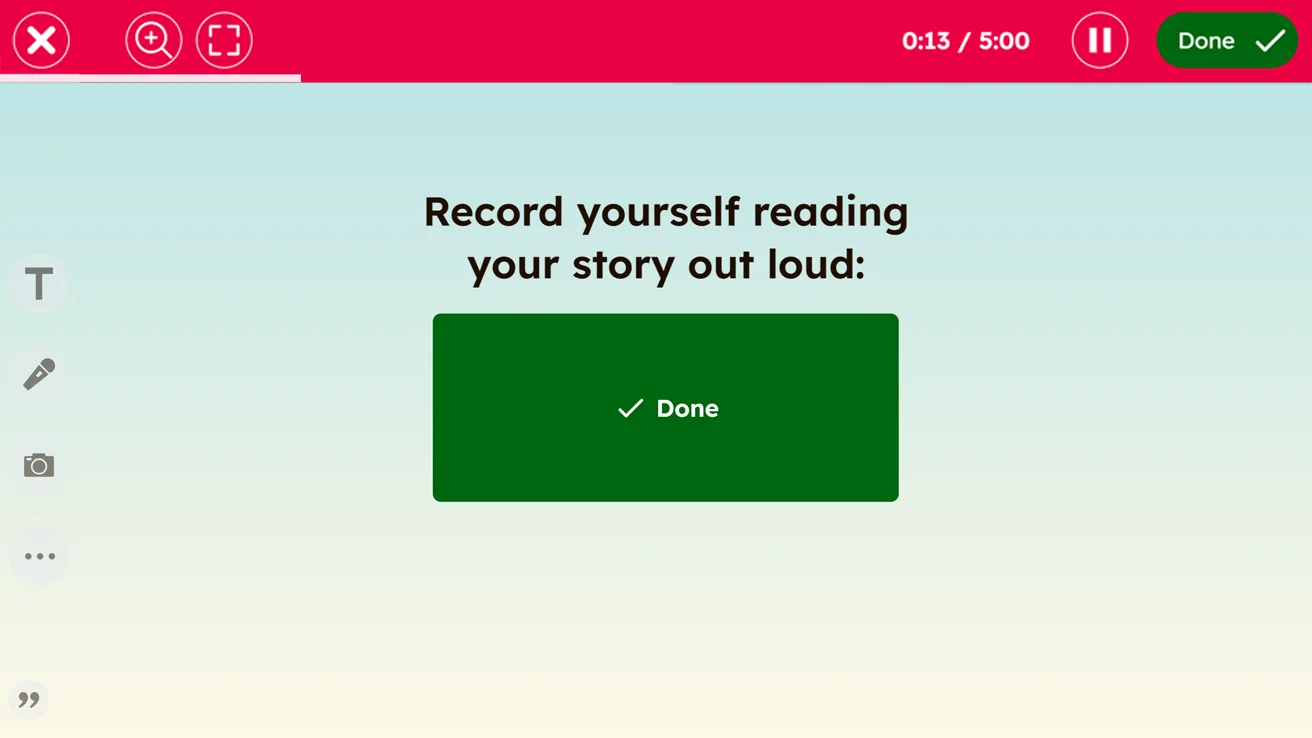
Supplemental content gives that planning somewhere to go. Early Literacy supplies science-of-reading-based practice for younger pupils. English Language Development supports K-5 language learning across reading, writing, listening, and speaking. These are additions to instruction, with a practical appeal: the activity and the response can stay in the same working environment.
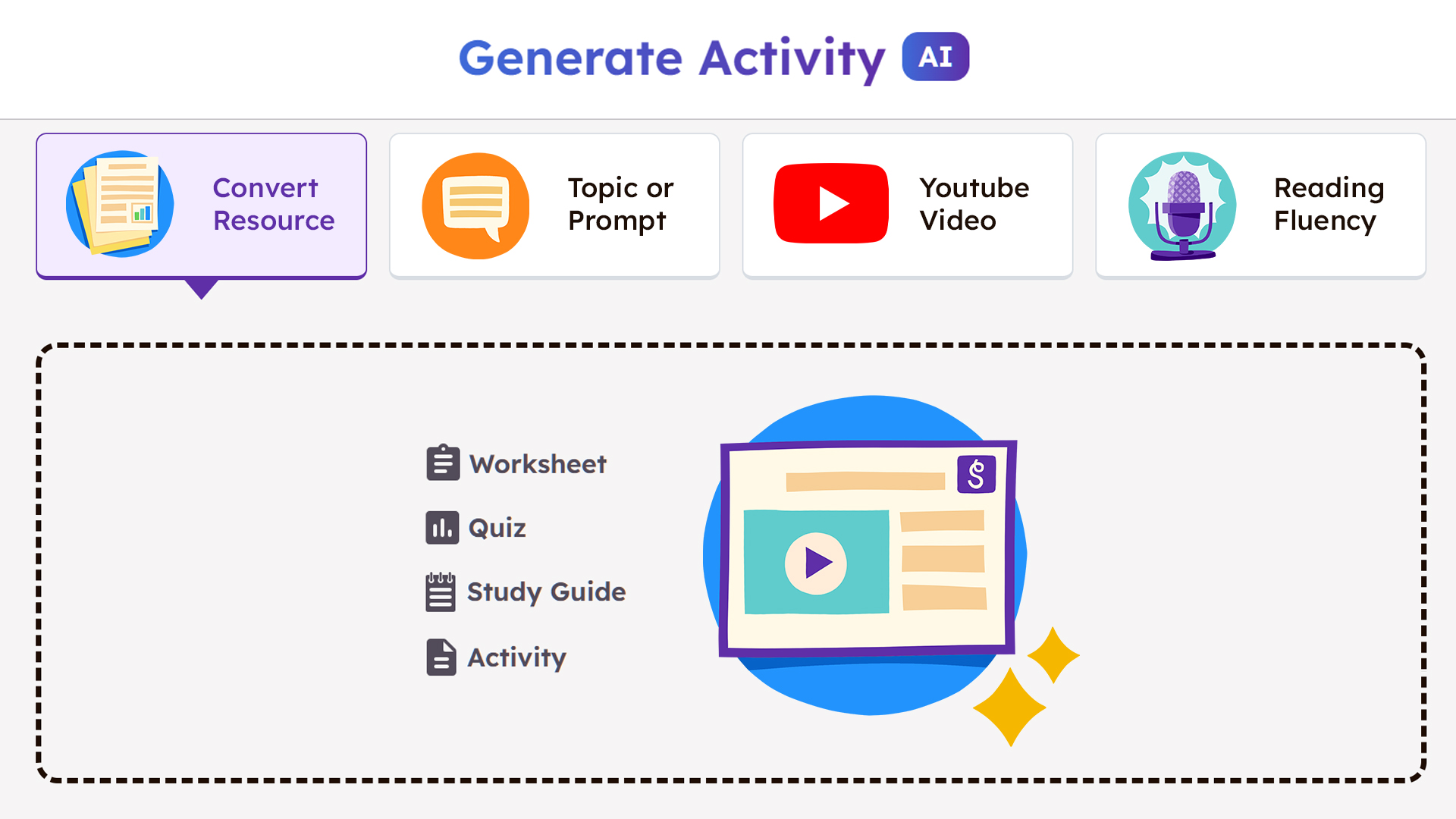
AI extends the preparation side. Seesaw advertises tools that generate activities from a prompt, convert resources, and translate activities. The distinction to watch is who makes the instructional decision. A generated task still needs an educator to check its accuracy, level, and fit. Saving drafting time has value only if reviewing and repairing the draft does not swallow the saving.
Collecting more work also creates more reviewing. A dashboard can help organize attention, but it cannot decide the purpose of a lesson for a teacher. An attractive portfolio filled with unexplained uploads may be a very handsome filing cabinet. The learning objective has to survive the photograph.
The journey from translation to trust
International expansion makes that requirement harder. In April 2025, Seesaw acquired Little Thinking Minds, a company specializing in Arabic literacy. This brought subject and language expertise into the business. The strategic logic is straightforward: operating in Arabic-speaking classrooms requires educational content that belongs there, as well as an interface people can read.
The acquisition announcement described a future Arabic-language platform. A separate, completed localization milestone arrived in February 2026, when Seesaw announced an Icelandic version rolling out across twelve schools in Kópavogur. These are useful examples of the difference between a global ambition and the individual work of entering a school system.
Icelandic rollout
A translated interface gets the software into the room. Training helps people use it there.
Seesaw’s August account adds the human detail. Colleagues spent three days in Kópavogur running four workshops with teachers and local education teams. A local project manager, Bergþóra Þórhallsdóttir, co-led the work. New users spent time inside the platform; experienced users compared portfolios and discussed learning objectives. Implementation looked like people with laptops asking questions.
Trust has also been tested. In September 2022, attackers used compromised individual accounts to send inappropriate links through messaging. Seesaw temporarily disabled messaging, secured affected accounts, and reset passwords. It reported that fewer than 0.5 percent of users were affected. A system connecting school and home needs dependable account protections as well as useful classroom features.
What to borrow on Monday morning
The portable idea is small enough to try without reorganizing an entire school. Choose a task with a clear learning goal. Ask students to capture the result and explain one decision. Review those explanations for a misconception. Give a focused response, then change the next task accordingly. Share an artifact with families when it gives them a useful question to ask.
That routine needs working devices, time to review, and families who know how to access what is shared. It loses its purpose when posting becomes the assignment, when recordings accumulate unheard, or when every learning activity must justify itself with a screen. A narrower rollout may be more informative than a crowded portfolio nobody has time to read.
Seesaw’s value is easiest to see at that modest scale. One child makes something. Someone listens to the explanation. The next lesson becomes a little more precise. For school software, that is a respectable ambition - and a much better reason to open an app than simply having another app to open.
Open the classroom door
Explore the tools, see a demonstration, or follow the company’s own updates.