A vulnerability scanner can give a security team a very long list. It cannot, by length alone, tell that team what to do on Monday morning. A flaw might be severe but unreachable. Another might look ordinary until it meets a leaked password and an exposed service. Somewhere between those two findings sits a decision. Securin has built its business around making that decision easier.
- Find the assets an attacker can see.
- Test which weaknesses create a usable path.
- Give someone the fix, then check that it worked.
The Albuquerque company sells software and expert services to organizations that cannot afford to treat every alert as equally urgent. Its customers include schools as well as enterprises. That matters. A small public institution needs a manageable sequence of actions, with people available to help carry them out. A beautiful inventory is only the beginning.
The acquisition that supplied the name
Securin’s history contains a small corporate reversal. In 2022, Cyber Security Works acquired Securin, a platform offering attack surface management and vulnerability intelligence. In March 2023, the buyer adopted the acquisition’s name. The rationale was concrete: put penetration testing and vulnerability management services together with software that could discover exposures and supply threat context.
That combination explains its position in the market. A consultancy can investigate a problem deeply, but an engagement ends. Software can keep watching, but someone still needs to interpret findings and organize the response. Securin sells both. Its managed vulnerability service adds dedicated expertise; its penetration testers investigate how weaknesses connect in a customer’s environment.

Four products, one unfinished job
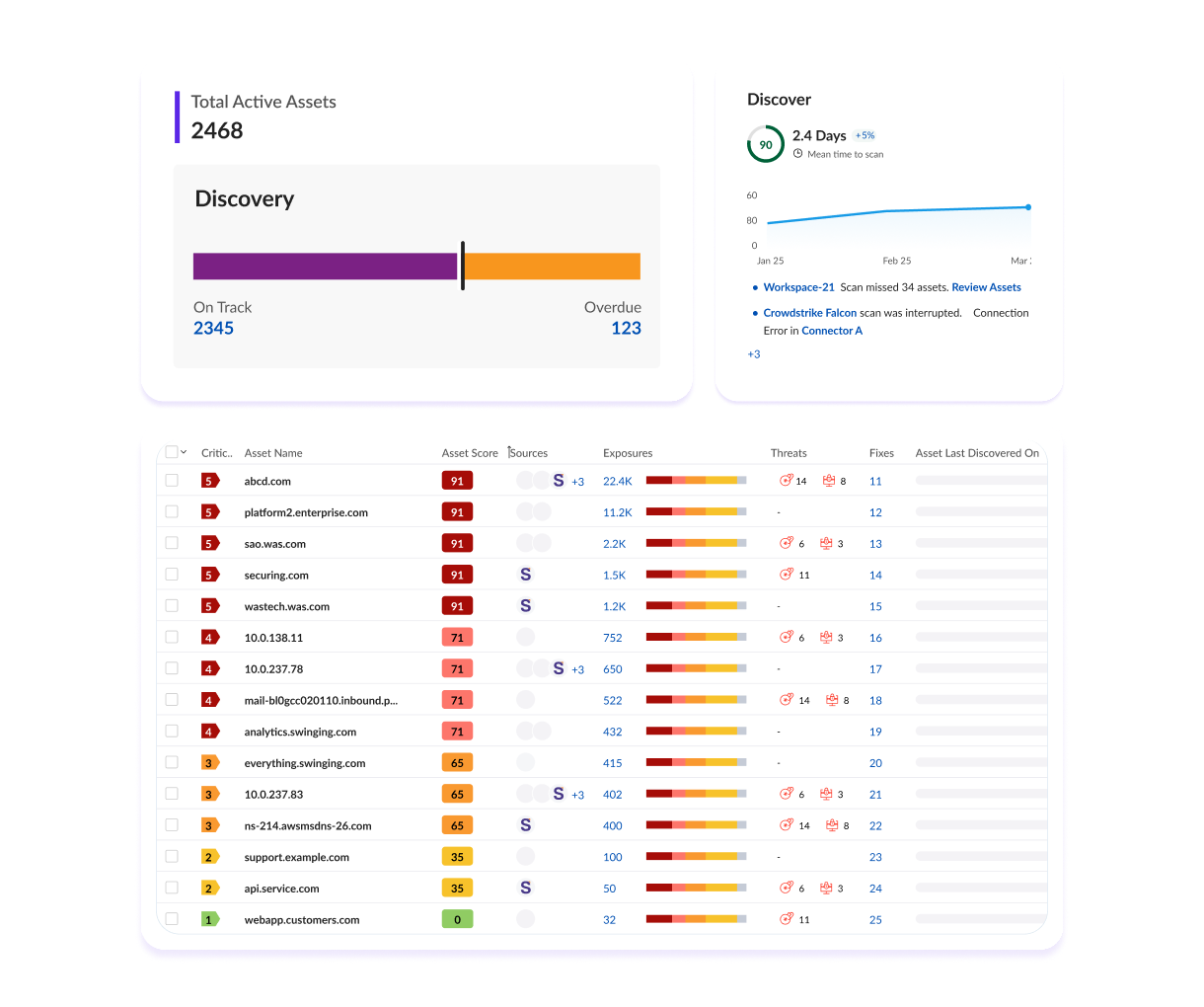
The company announced general availability of its unified Securin Platform on September 8, 2026. Its four principal capabilities divide the work. Surface discovers internet-facing assets, including forgotten infrastructure. Signals adds vulnerability and threat intelligence. Exposure brings findings together, applies business context, and routes remediation. Validate tests whether an attacker can use the weaknesses and whether defenses interrupt the attempt.
Consider the difference between finding an exposed login page and understanding its significance. Surface can connect an external asset to the organization. Signals supplies evidence about relevant threats. Exposure helps determine priority and ownership. Where testing is safe and appropriate, Validate checks reachability and exploitability. The useful output is a supported decision about action.
- 01DiscoverWhat is exposed?
- 02UnderstandWhat makes it risky?
- 03ValidateCan the attack work?
- 04MobilizeFix. Retest. Repeat.
This is also why scanner integrations matter. Securin’s documentation names Qualys, Nessus, Tenable, and Rapid7 inputs, alongside Jira ticketing. The buyer may already have useful detection tools. Securin’s opportunity is to make their outputs more useful together, then connect the resulting priorities to the people responsible for the systems.
The school test
The company’s customer testimonials offer a useful change of scale. Santa Fe Public Schools describes monthly vulnerability-management scans and annual penetration testing, used alongside the platform and internal tools. New Mexico Military Institute describes Securin as support for a small IT team and says the newer platform helps staff investigate vulnerabilities and remediate faster.
These are customer accounts published by the vendor. Their value is in showing the job being purchased: continuity, interpretation, and help deciding where to spend scarce working hours. The same problem travels into hospitals, utilities, and local government, all sectors Securin identifies among its customers.
“Cybersecurity is not a solo sport - it’s for everyone.”Kiran Chinnagangannagari · The CTO Show, 2024
Chinnagangannagari, a co-founder and former Arizona state CTO, described expensive, complicated security tools as a frustration behind the company. That helps explain the services model. Accessibility depends on what a team can operate, as well as what it can purchase. A product becomes useful when its recommendations survive contact with the customer’s staffing and maintenance calendar.
A result worth reading carefully
In its October 2026 award announcement, Securin described a digital education provider that remediated 2,800 of 3,000 high-risk vulnerabilities using Surface with Securin Assure. It also reported resolving more than 600 breached email accounts and mitigating 111 exposed assets. The customer was unnamed; the figures are company-reported outcomes, rather than an independent benchmark.
High-risk vulnerabilities remediated in one company-reported education engagement.
The instructive detail is the completed work. Discovery identified a queue; remediation reduced it. Any security leader can copy the management habit: attach an owner, a specific action, and a verification step to an important finding. Then count the exposures actually removed. The software can support that discipline. The organization must still practice it.
The price of the loop
One public AWS Marketplace listing puts a Securin platform dimension at $250,000 for a 12-month contract. That is a published procurement figure, not a universal starting price or a quote for every service. Buyers still need to establish the covered environment, contract scope, and any additional infrastructure costs.
The comparison therefore requires more than license prices. What does the organization already spend on scanners, repeated assessments, manual reconciliation, and security staff? Which work would this contract absorb? Securin competes for exposure-management budgets where Tenable, Qualys, and Rapid7 are familiar alternatives, while also accepting their findings as inputs. The purchase depends on the operational gap.
The last mile still has an owner
Srinivas Mukkamala became CEO in May 2025. Today, Securin’s AI analyst, VERA, answers questions using live asset, exposure, and threat context. An MCP server lets authorized AI tools query that intelligence. These additions put the interface closer to the analyst’s working day. Their usefulness still depends on accurate data, appropriate permissions, and people able to act on the answers.
External discovery cannot establish every internal business dependency. Automated testing needs agreed boundaries. A verified fix today can become a new exposure after tomorrow’s deployment. Securin’s approach makes most sense when an organization can connect its tools, assign remediation responsibility, and keep testing. The question at the end of the process is satisfyingly plain: did we close the way in?