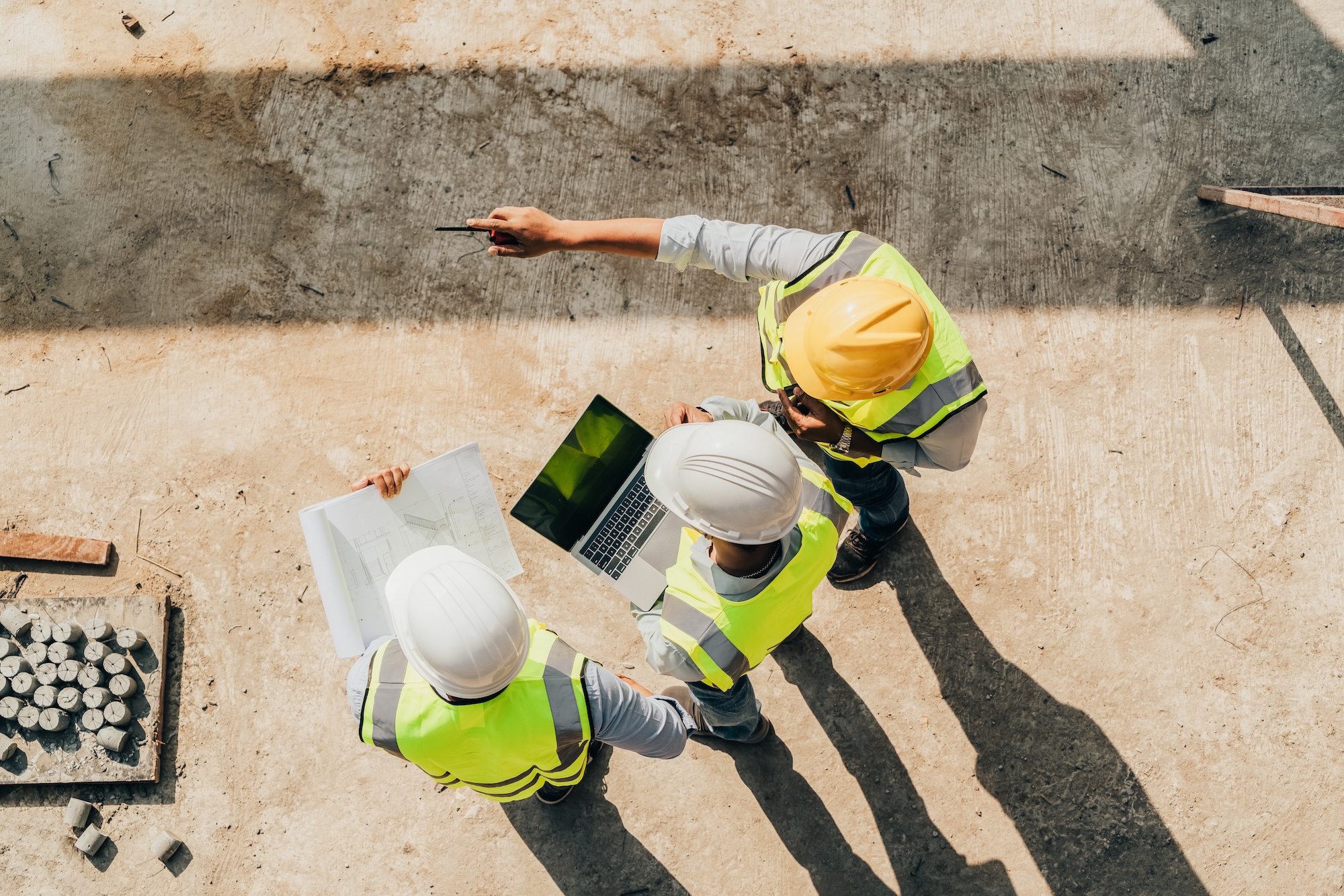
It is 6 a.m. on a job that does not exist yet. A drywall sub in Sacramento opens her laptop, not her truck. A general contractor in Tampa needs nine trades to bid a hospital wing by Friday. Somewhere between them sits a screen full of projects, invitations, and takeoffs - and that screen has a name.
The name is PlanHub. Long before a building is a building, it is a bid - a frantic, paper-thick scramble of plans, deadlines, and phone calls that most of the world never sees. This is preconstruction, the least glamorous and most decisive phase in the whole enterprise. Get it wrong and you lose money before you have poured a single footing. PlanHub's entire reason for being is to make that scramble less of a scramble.
The company was not dreamed up in a coding bootcamp. It was founded in 2008 by contractors who knew the pain intimately - people who had chased subcontractors by fax, lost invitations to bid in email threads, and watched good projects slip away for want of a phone number. In 2015 it launched as a digital marketplace. The pitch was almost insultingly simple: put the projects, the people, and the paperwork in one place, and let the right contractor find the right job.
"PlanHub is where preconstruction happens - we're transforming that network into the industry's first true end-to-end platform."
Ro Bhatia, CEOA network with gravity
Software is easy to copy. A network is not. PlanHub's quiet superpower is its sheer mass of people: more than 500,000 construction professionals - 50,000-plus general contractors, 400,000-plus subcontractors, and 30,000-plus suppliers. Every day, hundreds of new projects are posted. Each posting pulls in more subs; each sub makes the next posting more valuable. That is the flywheel, and it is why the platform has gravity that a feature list alone cannot explain.
For a general contractor, PlanHub is a directory, a planroom, and an invitation-to-bid engine rolled into one. Post a project, blast invitations to the right trades, watch bid coverage fill in on a board. For a subcontractor, it flips around: a project finder that filters by trade and location, bid tracking, and a field app so the chase does not stop at the office door. Suppliers get automatic project matching. Everyone gets out of everyone else's inbox.
"A leader in the fast-growing construction management software market, with a differentiated, highly data-rich bid network."Matthew Popper, GrowthCurve Capital
The money follows the moat
Investors noticed. In October 2020, Mainsail Partners - a firm that hunts for bootstrapped, fast-growing software companies - put $41 million into PlanHub. It was the kind of check that says a company has stopped proving it can exist and started proving it can scale. In January 2022, Ro Bhatia stepped in as CEO, with founder Kevin Priddy moving to executive chairman. Under Bhatia the company posted 245% revenue growth over three years - and kept its West Palm Beach address while doing it.
Then, in September 2025, GrowthCurve Capital acquired the company outright. The thesis was not subtle: take a data-rich bid network and pour AI into it. GrowthCurve called PlanHub "uniquely positioned to become the leading AI-powered, end-to-end operating system for pre-construction." Translation - the network was the hard part, and they intend to make it smarter.
From marketplace to operating system
PlanHub 2.0, launched in February 2025, was the tell. Takeoff and estimation tools now sit alongside the bid board, with AI-driven features stitched through. Market intelligence and a data API turn the firehose of project activity into something a sales team can actually drink from. The ambition is to own the whole arc - discover the project, take it off, estimate it, bid it, win it - instead of a single step in someone else's workflow.
It is a values-driven shop, too: accountability, embracing change, serving others, thinking big - what insiders cheerfully describe as "energy, teamwork, and zero ego." With roughly 180 employees and 4.2-star ratings on both G2 and Capterra, PlanHub has the reviews of a tool people actually use, not just one they were sold.
Back to that drywall sub in Sacramento. A decade ago her morning would have been a stack of faxes and a prayer. Now the projects come to her, filtered to her trade, ranked by fit, ready to bid before the coffee cools. The job site has not changed - it is still dust and deadlines. But the hour before it has. That is the quiet thing PlanHub rebuilt: not the building, but the morning that decides who gets to build it.