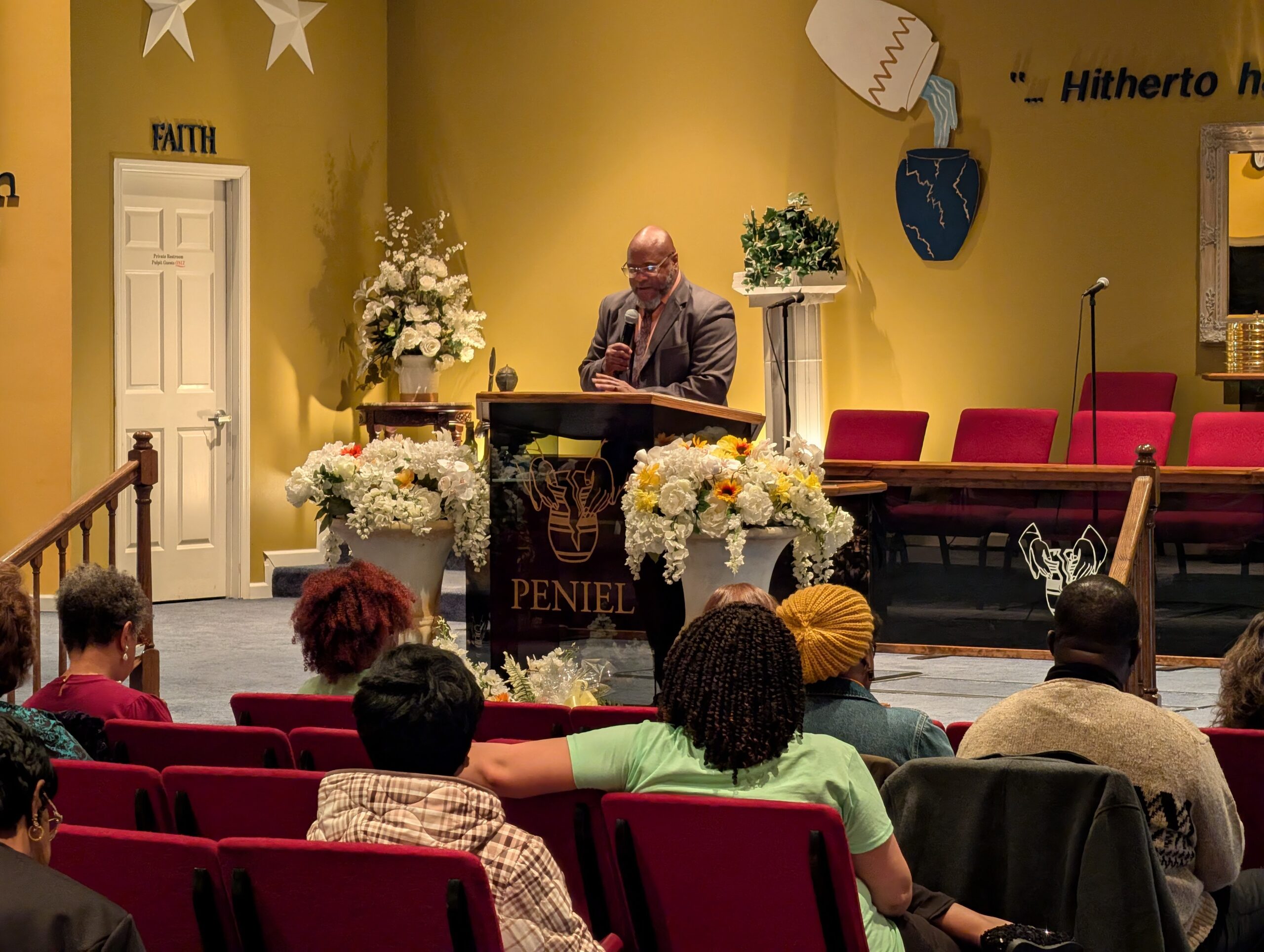
There is a peculiar moment in the life of an institution when the side project stops behaving like a side project. People arrive early. They bring somebody new. They keep coming after the original reason for gathering has expired. In Johnstown, Pennsylvania, that moment took place in a worship service meant for the staff of Peniel Rehabilitation Center. Neighbors began turning up too. Then they returned. The service had acquired the one thing a new organization usually spends years trying to manufacture: a constituency.
Harold and Marion Spellman noticed. They prayed, sought counsel and consulted Danny May, then the Church of God's administrative bishop in Pennsylvania. On July 24, 1994, the recurring gathering became Peniel Praise Community Church. It started with 91 members at 760 Cooper Avenue, the same address the church still gives today.
The audience arrived before the organization
This order matters. Peniel was not a speculative launch. The founders did not open a sanctuary and hope a community might appear. A community was already appearing, prompted by a service nested inside another institution. The decision to form a church came after steady interest from recovery-center staff and local residents made the need visible.
How a service became an institution
The model has limits. It depends on trust built by the host institution, leaders willing to carry responsibility and a gathering with genuine repeat attendance. A borrowed audience that comes once is an event, not a constituency. The Spellmans had something sturdier: people who kept signaling that the service belonged in their lives.
The recovery center is not a footnote
Peniel's origin gives it a different center of gravity from a congregation assembled mainly around geography or a charismatic speaker. The associated residential treatment center had been working with addiction since the early 1980s. Marion Spellman's concern was personal: she had watched substance abuse damage her brother and burden her mother, then worked with incarcerated women and at a Teen Challenge facility before founding Peniel's recovery program.
The church is a distinct institution, but the relationship remains visible. Treatment-center clients are invited to services. Leaders have crossed between counseling and ministry. The shared address makes the connection physical rather than metaphorical. Peniel offers worship, Bible teaching and fellowship; the treatment center provides professional residential addiction care. The two should not be confused, but neither can the church's story be understood if they are pulled apart.
“Beliefs are not worth much unless they are translated into actions.”Bishop Harold Spellman
The most vivid example is Henry Davis. He graduated from the Peniel treatment program in 1990 and later became a senior counselor, minister of music and assistant pastor. His other life is at the piano. Davis studied at Montgomery College, the Cleveland Music Institute and Howard University; worked with the original Howard University Gospel Choir; and performed in places such as Carnegie Hall and Royal Albert Hall. At Peniel, biography becomes infrastructure. A graduate can return not as a mascot for redemption but as a working leader.
A church organized like a roster
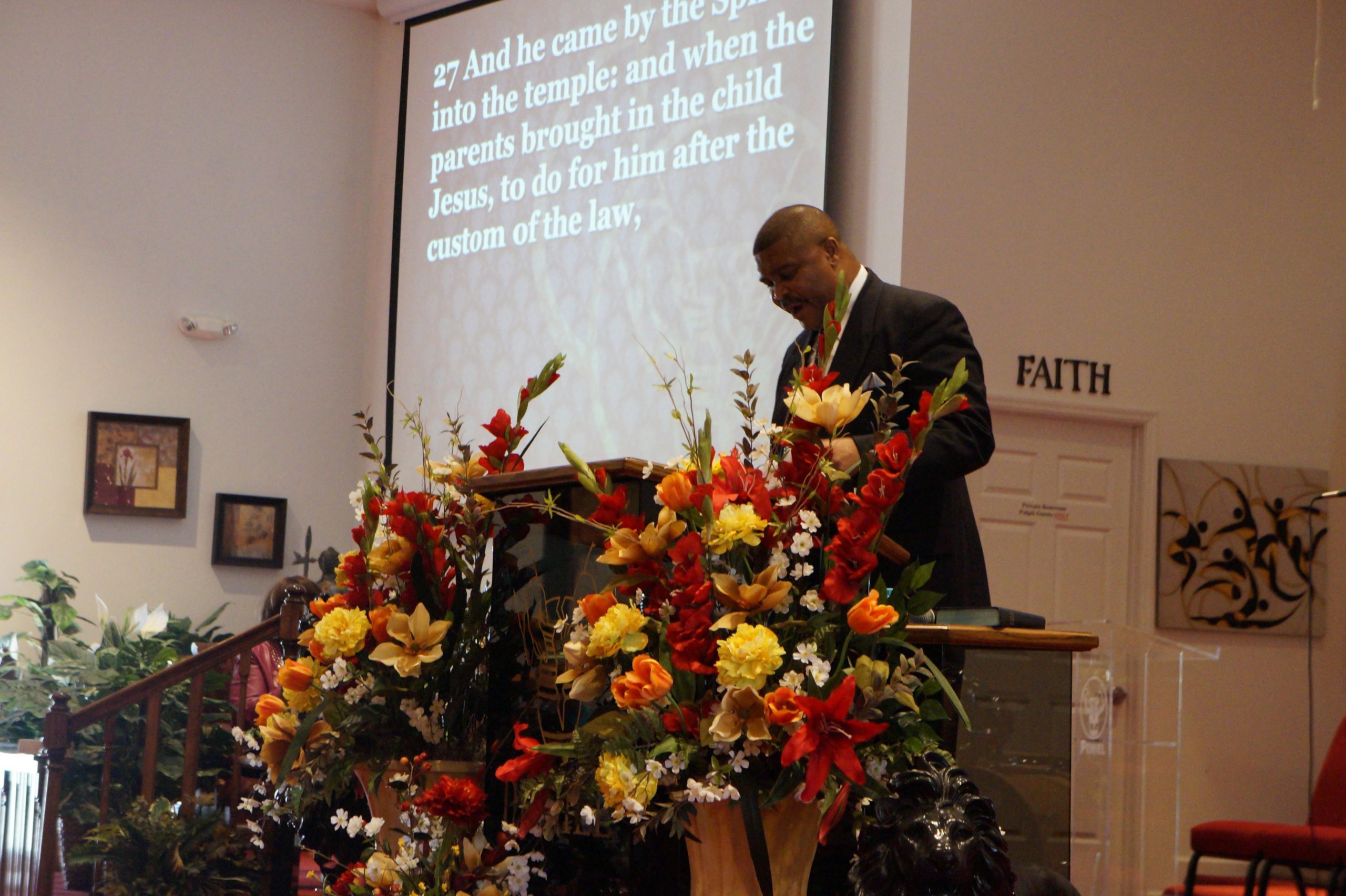
Peniel's stated operating idea is the “priesthood of every believer,” rendered in plain language as “every believer is a minister.” That sentence solves a common organizational problem. A small institution cannot let all useful work collect at the top. Peniel divides responsibility among 12 ministry teams: prayer and fasting, education, music, stewardship, small groups, men, women, singles, married couples, youth, children and outreach.
The list is revealing. Some teams produce the visible Sunday service. Others organize people by stage of life. Still others maintain the less glamorous mechanics of continuity: education, stewardship and small groups. The product, if a church can be said to have one, is not merely a sermon. It is a recurring structure in which worshippers can learn, build relationships and take on a job that matters.
That rhythm is especially clear midweek. Wednesday does not repeat the same program forever. The first Wednesday is prayer; the second is communion or baptism; the remaining weeks are Bible study. Sunday worship begins at 10:30 a.m. The schedule is uncomplicated enough to remember and varied enough to give each gathering a purpose.
The room grew, but the product stayed put
Peniel is local in the meaningful sense. Its building, history and primary audience remain rooted in Johnstown. Yet the congregation has added a livestream, a YouTube channel and online giving. CornerStone Television Network lists Peniel as a partner ministry and has carried its services on the Faith & Family Channel. This is not global expansion in the corporate sense. It is distribution: the same service, transmitted into more rooms.
Its economic model is equally familiar. Peniel is supported by tithes and offerings, not subscriptions or venture capital. Online gifts run through Zeffy, a fundraising service that lets donors reduce its suggested platform tip to zero. For special efforts, the church can attach a concrete use to the appeal. In May 2026, assistant pastor Davis led an “Ascend in Worship” benefit concert to help send young people to Pennsylvania Youth Camp.
The competitive set is not hard to name: other Johnstown congregations, other Church of God communities and an endless shelf of online worship. Peniel's difference is harder to copy because it is historical. The church did not bolt recovery language onto a conventional congregation. It grew from services held inside recovery work, then carried that proximity into its leadership, music and community life.
What another small institution can steal
The transferable lesson is not “open a church next to a treatment center.” It is smaller and more useful. Watch for the gathering people already protect on their calendars. Wait for repeat behavior. Give the gathering a clear identity. Break the work into roles that ordinary participants can own. Then use media to enlarge access without redesigning the thing that made people return.
Peniel changed its founders' minds by refusing to remain an internal service. The evidence was sitting in the chairs. Thirty-two years later, those chairs are still on Cooper Avenue, while the service can also travel through a screen. The institution survives because it answered a demand that arrived before the name did.
Visit Peniel
Explore service information, current announcements and video from the congregation.