In 1907, the woolen mill in Pendleton, Oregon, stopped working. The financial panic had closed a business in a town surrounded by one of its most useful raw materials: sheep. Two years later, the Bishop family restarted the operation. But there was a condition. Local merchants and townspeople had to subscribe $30,000; the family would match it. Before Pendleton sold anybody a story about heritage, somebody had to pay for the machinery.
- Two working mills anchor a broad apparel and home business.
- Blankets carry several meanings: warmth, gifts, ceremony and design.
- Check the individual label. Fabric origin, assembly and care differ.
The town that bought itself a second chance
That bargain helps explain the company better than a sepia photograph. Pendleton’s revival joined local resources to a family with manufacturing and retail experience. The town supplied backing; the Bishops supplied an equal financial commitment and the knowledge to turn wool into something worth buying.
The family’s weaving lineage reaches back to Thomas Kay’s arrival in Oregon in 1863. The present Pendleton business began in 1909, guided by his daughter Fannie Kay Bishop and her family. The two dates serve different purposes: one explains the inheritance, the other marks the enterprise. A venerable family tree still needs a functioning factory.
The pattern is only half the product
Today Pendleton makes patterned blankets, wool clothing and fabrics, alongside bedding, towels, accessories and other home goods. Its manufacturing distinction sits behind the shop window. It owns mills in Pendleton and Washougal, Washington, the second acquired in 1912. The Oregon mill weaves its jacquard-patterned blankets and fabrics.
Wool arrives from local ranchers and suppliers farther afield. It is cleaned, dyed, carded and spun before weaving. Finishing changes the cloth again: heat, moisture and friction compact it; brushing raises a softer surface. The company says blanket fringe is cut by hand. Machines establish the pattern. People still finish the edges.
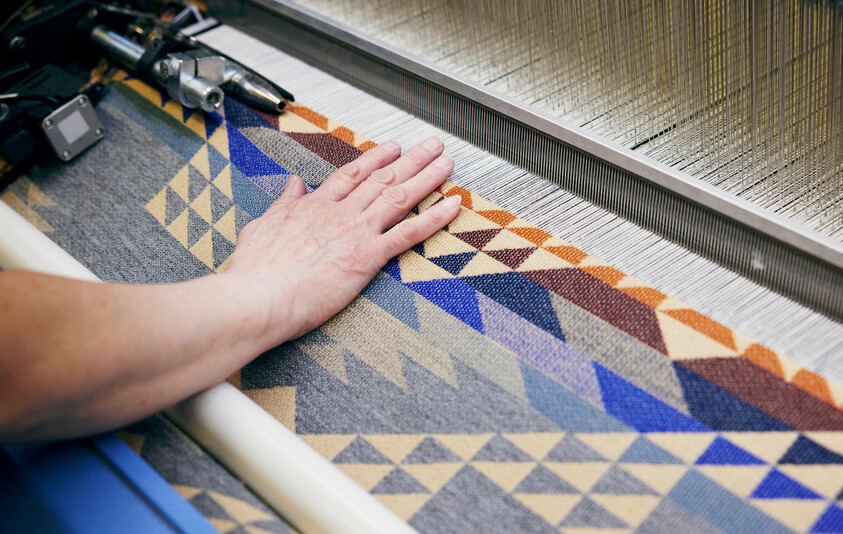
For a customer, this offers a concrete basis for judging a premium textile. For a business owner, the implication is useful: retaining production knowledge gives a design company something substantial to discuss. Mill ownership also means equipment, labor and upkeep. Copying the visible pattern is a much smaller undertaking than copying the operation behind it.
A blanket is also a relationship
Pendleton’s early market included Native customers, whose preferences helped shape the blankets. On the neighboring Umatilla Reservation, blankets became gifts at events including namings, honor dinners and funerals. An object sold by a manufacturer could acquire meaning through the people who gave it.
That history needs precise language. Pendleton is a Bishop-family company, not a Native-owned business. Its Native-inspired patterns and its collaborations with Indigenous artists should be identified separately. Authorship matters, particularly when a product’s appeal rests on a story that belongs to somebody.
Consider Journey, available in 2026. Belle Brings Plenty, a Cheyenne River Sioux artist and United Tribes Technical College graduate, first drafted its design on rawhide earrings. Created in memory of her brother, the blanket includes a dragonfly associated with healing and references to her family’s beadwork and quillwork. These details have a named author.
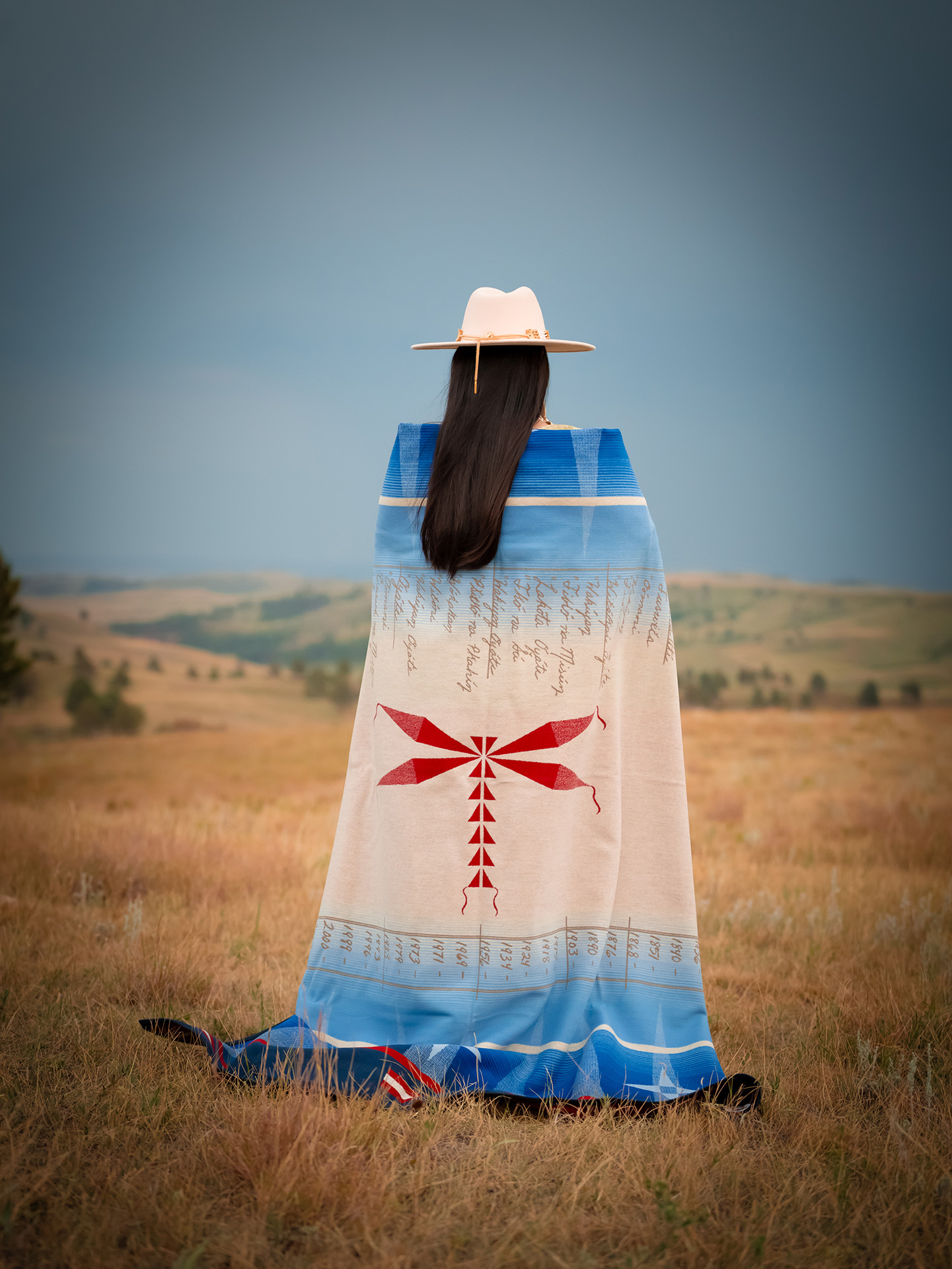
“I hope people can be able to wrap themselves in this blanket and feel loved.”
Belle Brings Plenty · June 2026
The American Indian College Fund says collection sales provide nearly $50,000 in annual Native student scholarships. It also reports that Pendleton’s scholarship endowment contribution, combined with scholarships already disbursed, exceeds $2.5 million. The distinction matters: an annual flow and a combined historical figure describe different things.
A shirt escapes the workday
Pendleton found another market by giving wool a more colorful wardrobe. Its men’s wool shirts arrived in 1924 as an alternative to drab work shirts. A women’s collection followed in 1949. The Beach Boys, originally called the Pendletones, later helped connect its plaid shirts with surf culture. In 1998, Jeff Bridges wore the Westerley sweater as The Dude in The Big Lebowski.
Neither a surfer nor a fictional bowler is an obvious advertisement for a woolen mill. That is the amusing part. Recognizable clothing can migrate into settings its maker never quite controls. The lesson is an inference from the history: a product gains room to grow when people find new occasions to use it.
Read the label before buying the legend
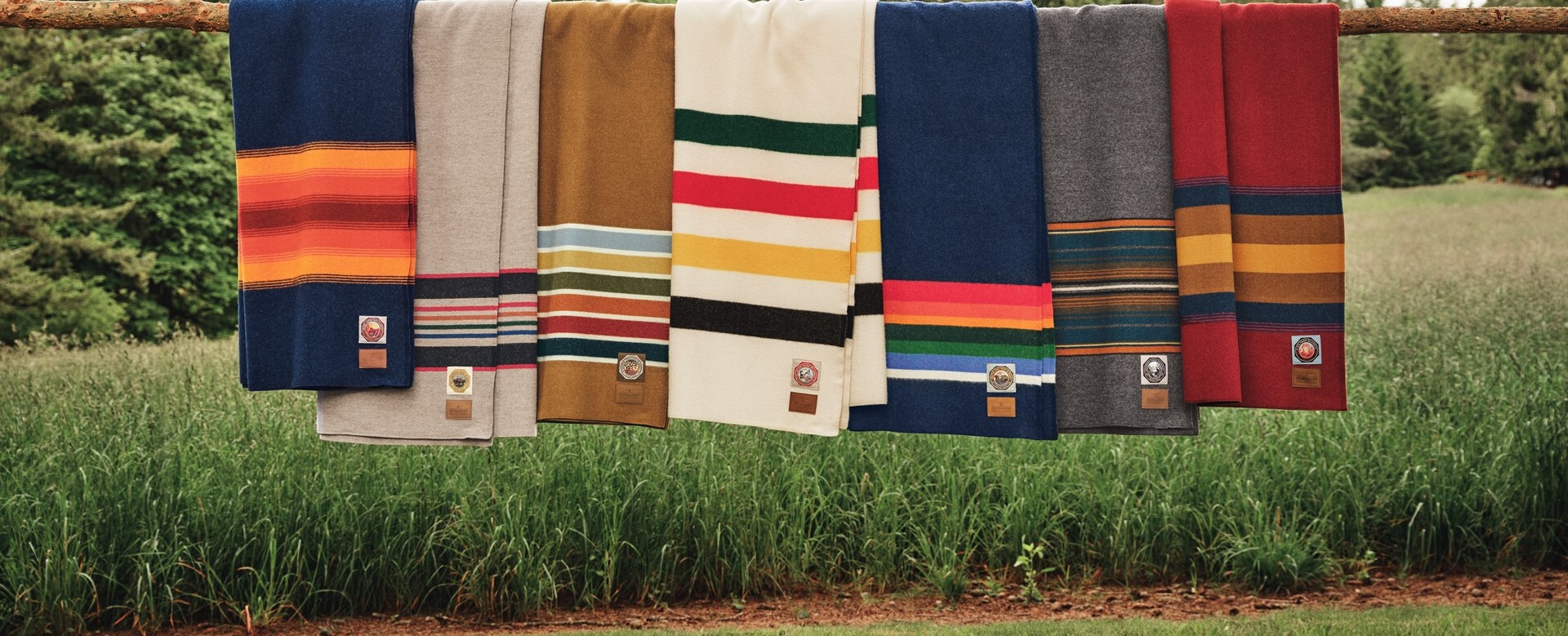
For shoppers, Pendleton solves straightforward problems: warmth, a distinctive room accent, clothing with recognizable fabric, or a substantial gift. The National Parks Collection adds a destination to the purchase; its Glacier blanket dates to 1916. Selected products also support conservation through the National Park Foundation.
The costs deserve equal attention. On October 6, 2026, the standard Chief Joseph blanket listing showed a $325 reference price and a $243.75 promotional price for the selected option. Customization started at $15. The blanket contains 82% virgin wool and 18% cotton, is made in the USA and requires dry cleaning. A washing-machine household may prefer another product.
Selected listing, October 6, 2026. Size, color and promotions affect price.
American fabric does not establish American garment assembly. The Board Shirt is listed as imported of USA fabric. Alternatives depend on the buyer’s priority: Faribault sells American-made wool blankets; Snoqualmie Tribe-owned Eighth Generation offers Native-designed textiles. Price, care, authorship and manufacturing location are separate decisions.
Keep the loom; change the conversation
Pendleton sells through its website, catalogs, more than 30 US stores and wholesale retailers, with distribution abroad. In 2025, former Nike and North Face executive Jennifer Ingraffea became CEO; John Bishop became chairman. Family ownership continues alongside outside executive experience.
The transferable idea is selective continuity: protect a skill customers can recognize, expand where they can encounter it, and credit the people whose work gives it meaning. That approach requires buyers willing to pay for those distinctions. For someone seeking only inexpensive, easily washed warmth, the century behind a blanket may carry very little weight.
Follow the thread
Visit Pendleton’s shop, explore the company blog and meet Journey’s designer. Find Pendleton on LinkedIn, X, Instagram and Facebook.