On January 8, 2021, a reporter asked California’s governor about public health funding. For a communications firm, this is the sort of moment worth putting in a progress report. The question had a history: an opinion piece, a social media post, a conversation with a journalist. An issue had travelled from the people living with it to someone who could put it directly to the person holding the budget.
In its report to California’s county health executives, Paschal Roth described that sequence. It had helped develop an op-ed with health leaders, placed ahead of the governor’s budget proposal. Angela Hart of Kaiser Health News shared it, sought comment and raised funding at the news conference. A small chain of events. A useful specimen of what public affairs work looks like when you take away the brochure language.
- 01Expert opinionMake the case publicly
- 02Reporter outreachConnect evidence to a story
- 03A public questionPut funding on the agenda
The problem with preventing something
Public health has an awkward relationship with attention. The work can succeed precisely when there is little to see. That creates a problem for anyone asking elected officials to keep paying for it: how do you make the value of an avoided disaster legible?
By July 2021, California had agreed to add $300 million a year for public health, beginning in July 2022. California Healthline’s account described years of unsuccessful appeals followed by a stronger coalition, including SEIU California, and more than 40 meetings with lawmakers from January through April. County officials hired Paschal Roth; frontline workers became public messengers. The governor had previously resisted additional recurring funding.
“Public health officials knew they needed to approach this differently.”
Mike Roth · California Healthline · July 2021
The reporting points to a change in political organization, visibility and timing. It does not establish that a particular headline changed the governor’s mind. That distinction matters. The firm was part of an effort involving officials, workers, legislators and lobbyists. Its contribution was to help the argument travel.
A California practice, down to the coffee
Founded in 2008, Paschal Roth describes its purpose around jobs, housing, health and justice. The client roster gives that identity some substance: labor organizations, health groups, housing advocates and public bodies. For these buyers, communications work is tied to decisions about budgets, legislation, public services and elections.
Nikki Paschal’s biography emphasizes experience across federal, state and local government, with strategic counsel for coalitions and elected leaders. Her answer to the coffee-order question is admirably economical: “Yes.” Mike Roth, her fellow principal, takes the opposite approach. His order specifies vanilla, Sweet’N Low and Equal. His professional background spans campaign management, spokesperson work, coalition development and event execution.
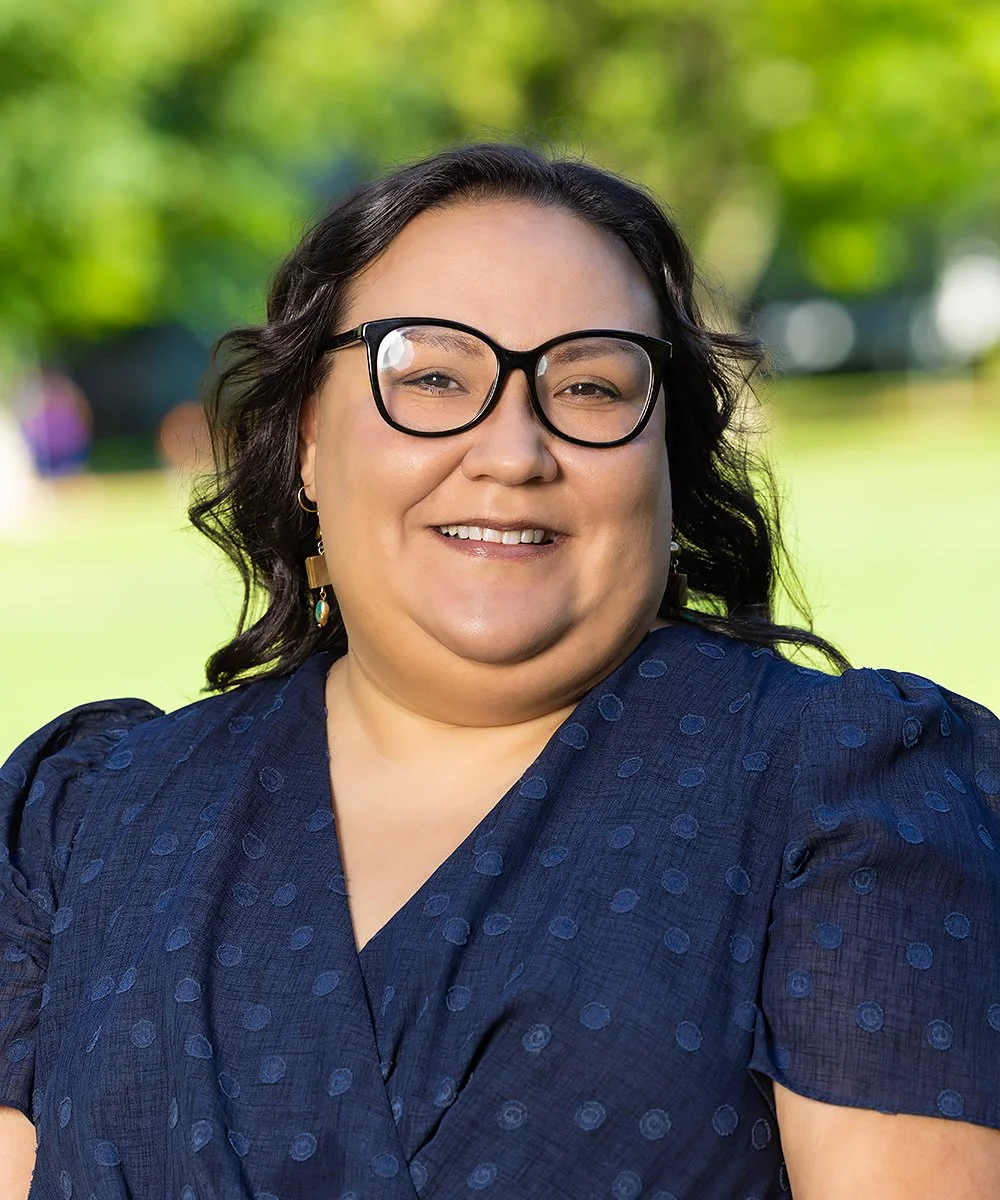
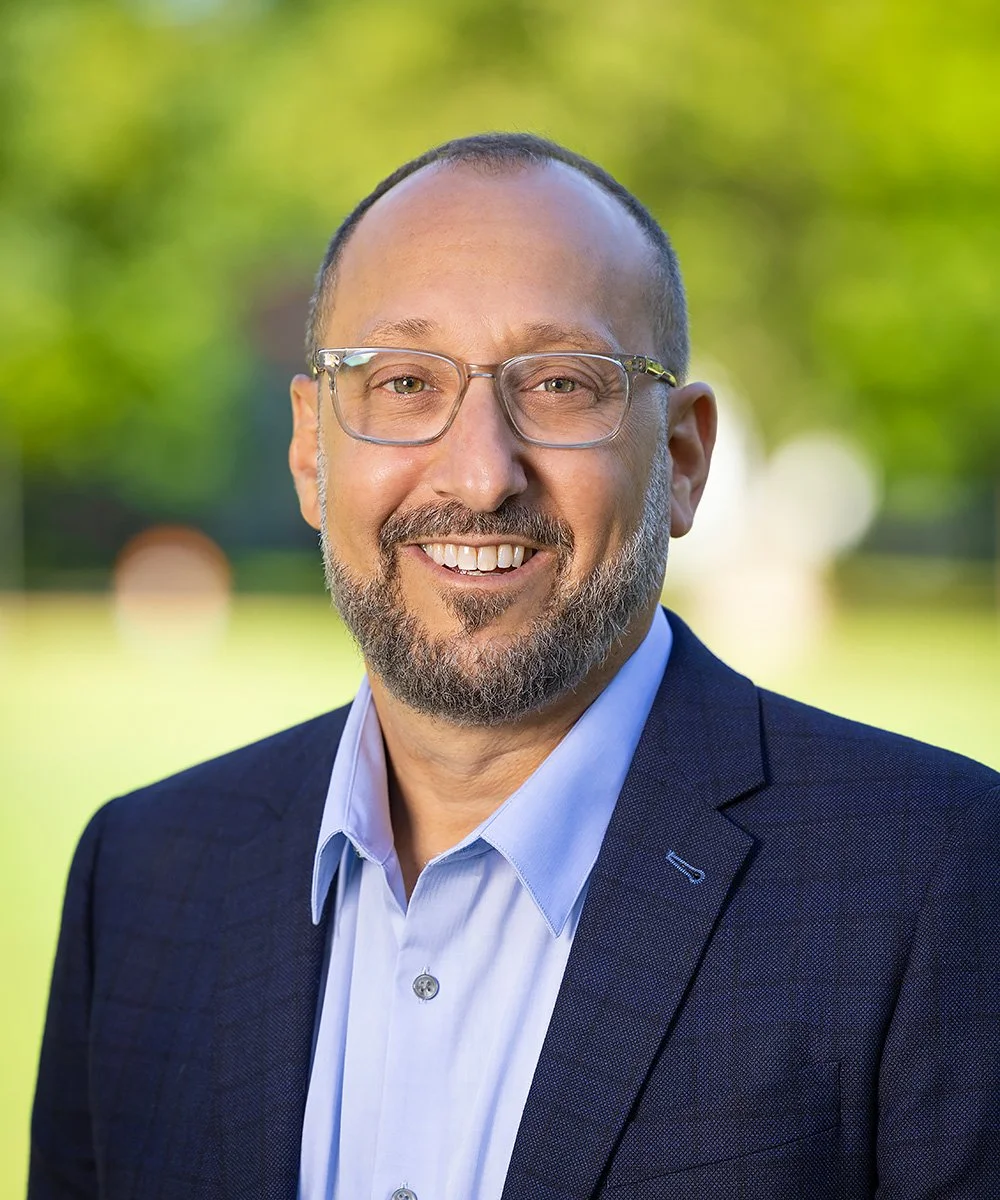
The combination of backgrounds extends through the staff. Senior strategist Katie Orr spent nine years covering the Capitol for Capital Public Radio and KQED. Director Maya Polon worked in legislative communications, including as a press aide to a former Assembly speaker. One career develops an ear for the questions journalists ask; the other develops a feel for the setting in which lawmakers answer them. Their biographies suggest why a client might want both perspectives in the room.
What $10,000 a month buys
A public contract offers a more tangible description of the business than a list of agency capabilities. In 2026, Los Angeles approved a communications assignment for Council District 2: April through September, $10,000 per month, with a $60,000 ceiling.
6 months · $60,000 maximum contract obligation
The deliverables include a communications audit, messaging toolkit, at least two media-training sessions, advice on recruiting a communications director and an operating manual. There is a weekly internal call and a 12-month strategic roadmap. This is a defined engagement, not a universal rate card or evidence of total company revenue.
The interesting item is the manual. The office is buying help establishing an operation that its own staff can inherit. A good interview is an event; a repeatable process for preparing interviews is an asset. For a potential client, that makes a useful procurement question: what will our team be able to do after the consultant leaves?
The firm’s broader service menu includes ballot-measure strategy, legislative campaigns, media relations, digital media, direct mail and education campaigns for nonprofits and foundations. Its business is professional work performed for organizations. The output might be a message, an event, an advertisement or a coordinated set of voices around a policy goal.
One state contains many audiences
A California campaign has to decide which public it is trying to reach. Paschal Roth’s account of its 2022 Proposition 1 work names the LA Sentinel, Sing Tao Newspapers and SBS Korean TV. It says its earned-media strategy emphasized ethnic media in Southern California. The detail is more revealing than an impressive-sounding claim about statewide reach: it identifies actual routes to an audience.
The portfolio moves from reproductive rights to tobacco restrictions, climate spending and housing. For Campaign for Tobacco-Free Kids, the firm describes messaging and media outreach, with campaign events including a mock funeral for Big Tobacco. For California Environmental Voters, it describes a mix of digital advertising, print ads and billboards. Different causes can require different ways of becoming visible.
Against the alternatives of an internal team or a broad public relations agency, the firm’s case is specialization. The published work repeatedly returns to California policy and the organizations arguing about it. That makes the offering especially relevant to a coalition facing a legislative deadline, an association explaining a budget request or a public office building communications capacity. A buyer still needs to match the assignment to the experience.
A signature is a milestone. Then comes the building.
Paschal Roth reports communications work with the California Housing Consortium supporting AB 2011, signed in September 2022. The measure created a streamlined route for qualifying housing on commercially zoned land, linking development rules with affordability and labor standards. The political achievement was passage. The practical test takes longer.
A February 2026 Assembly briefing reported preliminary data through 2024: 5,832 units in the AB 2011 pipeline, including 800 with building permits. It flagged reporting limitations and warned that projects can still encounter financing, market and other obstacles. These figures describe stages toward construction, not completed homes.
The distinction supplies a sensible limit to what communications can accomplish. It can help create the conditions for a decision. It cannot make construction financing appear. In January 2025, a statewide housing coalition was back arguing for investment in its response to the governor’s budget proposal. Mike Roth was the press contact. Policy work keeps returning to the question of resources.
Borrow the sequence
The practical lesson I take from these records starts before the press release. Name the decision you want. Identify who can make it and whose experience they need to hear. Prepare that person to explain the stakes. Choose an outlet and a moment that connect the explanation to the decision.
That approach depends on credible evidence, willing spokespeople, aligned partners and an opening in the decision-making calendar. When those pieces are missing, more distribution can simply circulate an unresolved argument. A campaign can also win attention and still lose on votes, money or implementation.
What makes Paschal Roth interesting is the visible work between an organization’s expertise and its public voice. The op-ed, the training session, the community outlet and the staff manual each solve a different part of that problem. Before asking how many people a message reached, there is a smaller, harder question worth asking: did it reach the people who needed to hear it?
Meet the firm. See the work.
Website ↗ Campaign portfolio ↗ LinkedIn ↗ Twitter / X ↗ Facebook ↗
From the firm’s campaign portfolio: SBS Korean TV coverage ↗ Tobacco campaign video ↗