There is a familiar failure in politics: an expert explains an issue accurately and nobody cares. The numbers are sound. The footnotes are present. The public hears only fog. In Sacramento, Bicker, Castillo, Fairbanks & Spitz Public Affairs has built a business around clearing that fog. It takes a dispute about labor law, fuel taxes, dialysis regulation or grocery supply chains and asks a blunt question: what will a person actually see, fear or lose?
That question makes BCFS more than a public-relations shop. The company is a compact campaign integrator. Its work runs from public-opinion research and data analysis to coalition recruitment, earned media, television, digital, mail and direct voter contact. A client can arrive with a bill in the Legislature, an initiative headed for the ballot or a reputation problem gathering speed. BCFS builds the connective tissue.
The message is the operating system
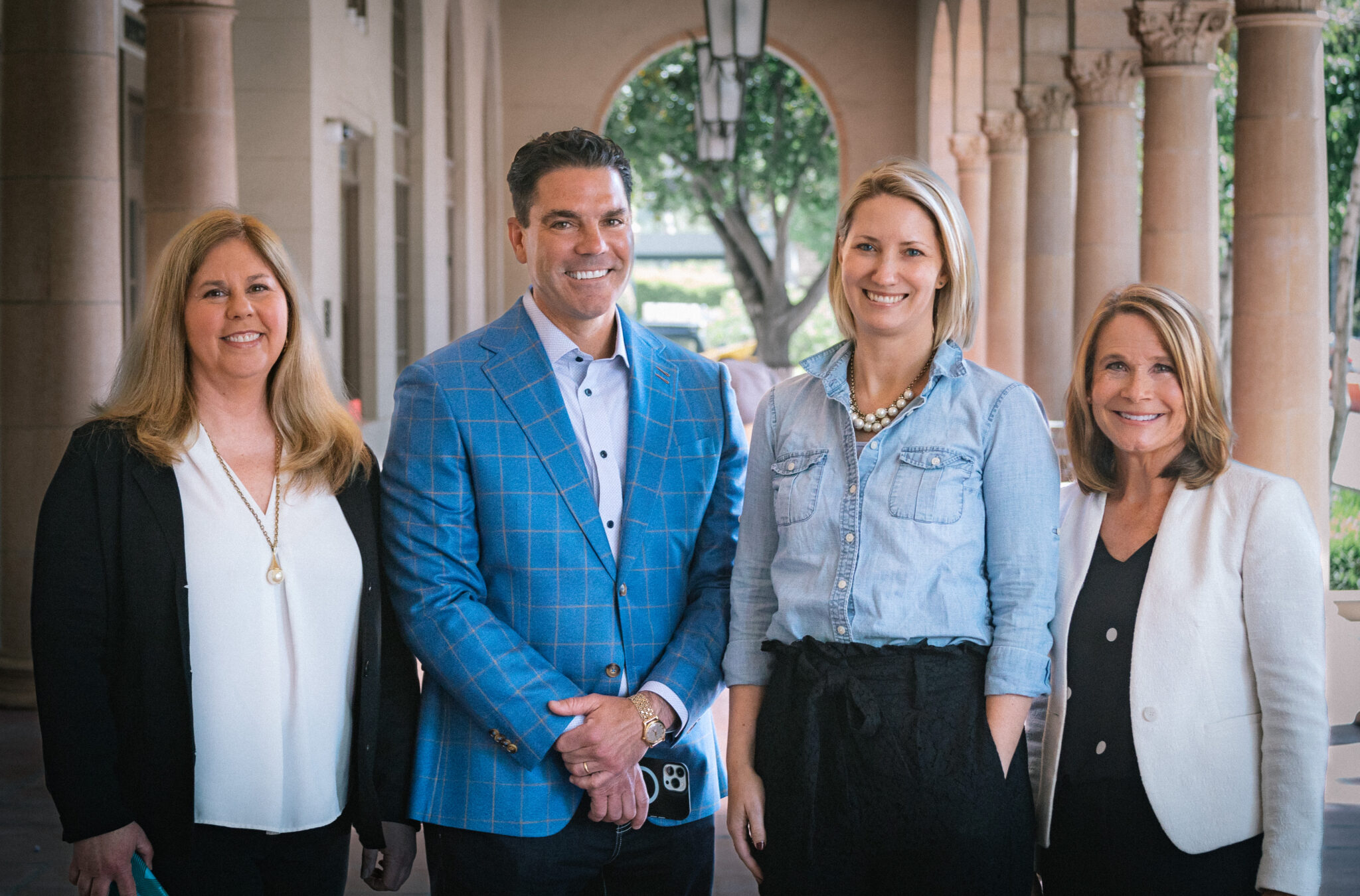
The firm's origin story is unusually tidy. Founded in 2001 by Gwyn Bicker, Brandon Castillo and Kathy Fairbanks, it set out to offer the one-stop range of a large agency with the attention of a boutique. The present name also includes partner Colleen Spitz. LinkedIn places the company in the 11-to-50 employee band; the supplied company record counts 17. Either way, this is a small team for assignments that can involve millions of voters and dozens of outside specialists.
The organizing principle is message discipline. Research discovers the frame. Coalitions supply validators. Media makes the frame public. Advertising repeats it. Field work gives supporters something to do. Each discipline is useful alone, but BCFS's pitch is that they should behave like one machine.
& polling
frame
messengers
& media
votes
The point is not five deliverables. It is one idea surviving five handoffs without changing shape.
For clients, that solves a practical problem. A chief executive, lawyer, lobbyist, creative agency and grassroots organizer can all describe the same issue differently. The public then receives five campaigns. BCFS sits above those parts, setting the strategy and often managing specialist partners. On Proposition 22, for example, it co-managed the campaign with Winner & Mandabach, worked with BASK Digital Media, TQK Media and Rodriguez Strategies, and directed earned media and coalition work.
The most valuable campaign asset is often a sentence that a voter, reporter and policymaker can all repeat.What BCFS's public case studies show
The bridge was more persuasive than the tax
Consider Proposition 6 in 2018, an attempt to repeal fuel taxes and vehicle fees dedicated to transportation. The problem that failed first was obvious: voters did not enjoy paying more for gasoline. Arguing that they should enjoy it would have been foolish. BCFS says focus groups and polling found something else - voters cared about repairs and safety in their own communities.
That changed the campaign's center of gravity. The abstract tax became a bridge, a road and a local project at risk. Firefighters, engineers, highway patrol officers and local governments carried the message. The mail program reached 8.2 million targeted voters through four pieces and 22 regional versions. Digital work produced nearly 80 million impressions. Proposition 6 lost, with 56.8 percent voting no.
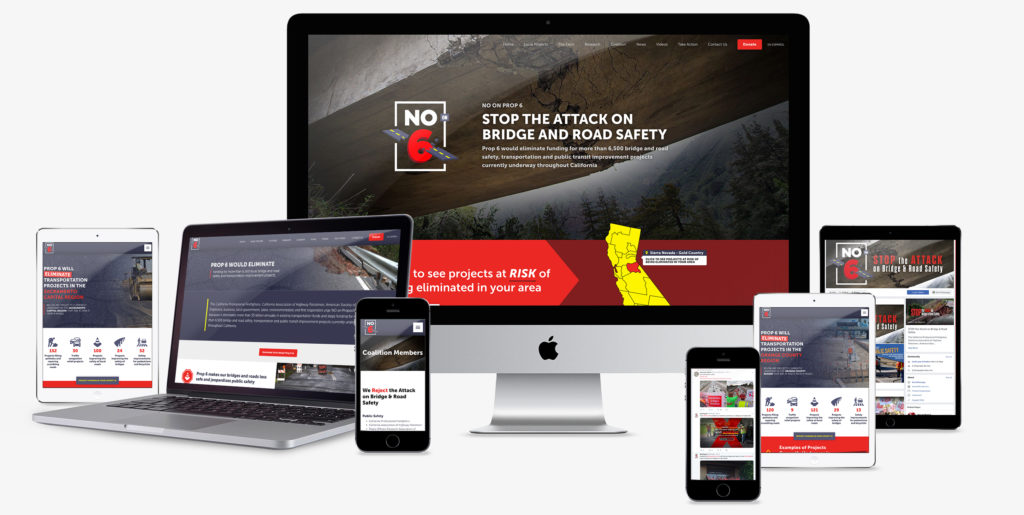
This is the detail worth stealing. “Localize” is usually advice without instructions. Here the instructions were specific: identify the projects, choose messengers who possess standing in that place, change the creative, and let a statewide strategy arrive wearing local clothes.
A coalition is not a trophy shelf
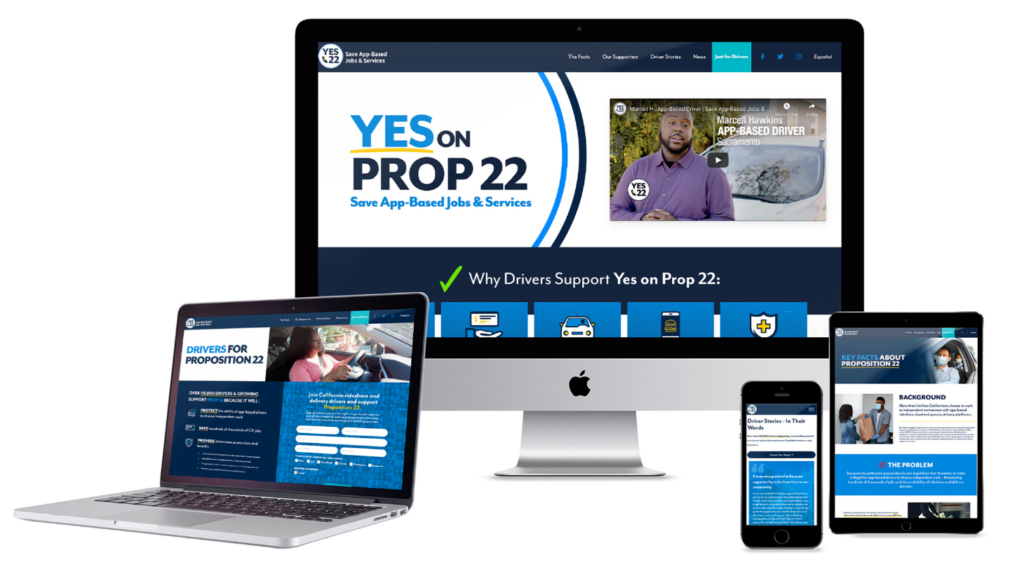
BCFS treats coalition building as infrastructure rather than decoration. On Proposition 22, which preserved independent-contractor classification for app-based drivers while adding earnings and benefit guarantees, the campaign recruited 140 organizations and nearly 120,000 drivers. More than 8,400 drivers shared personal stories. More than 200 received media training. The field operation completed over 100,000 calls.
The campaign was also expensive and fiercely contested. California's official contribution records show the major app companies supplied nine-figure support; contemporaneous totals put the yes campaign above $200 million. That number describes the whole political campaign, not one firm's bill. It matters because the tactics depended on scale: paid media, a large field program and an immense pool of supporters. BCFS's reusable idea is smaller than the budget - turn the people affected by a policy into trained messengers, then build tools that make participation easy.
Sometimes winning means the vote never happens
The firm's more revealing work may be the campaigns that ended in negotiation. In 2023, McDonald's retained BCFS amid a California fast-food fight involving a referendum, joint-employer liability and a revived regulatory commission. The public-affairs effort recruited more than 1,000 restaurant owners across 68 brands, assembled over 200 organizations, and generated 3,000-plus calls and emails to lawmakers. A legislative deal removed the referendum and rewrote the disputed framework.
A year later, the Fix PAGA campaign used the same two-track logic. Business groups had qualified an initiative to reform California's Private Attorneys General Act. BCFS prepared to win that ballot measure while running a parallel campaign for legislation. The message was deliberately pro-employee: there was a “better, fairer way for workers.” Nearly 200 organizations joined, coalition members attended 28 legislative meetings, and case studies supplied a steady stream of human evidence. In June 2024 the Legislature approved a deal unanimously; Governor Gavin Newsom signed it on July 1, and the initiative came off the ballot.
A grocery website before Monday
When pandemic buying emptied shelves, the California Grocers Association could answer incoming questions but could not get ahead of them. BCFS created “Buy Smart, Don't Overfill Your Cart,” built a resource site over a weekend, and gave stores and elected officials bilingual, ready-to-post material. In 30 days the effort produced 35 television stories, 40 print or online articles and 15 radio stories. The first failure was reactive capacity. The change was to package one reassuring message so other people could distribute it.
What is actually for sale
BCFS is a privately held professional-services company. Public pricing and revenue are not disclosed. The likely commercial structure is familiar to the industry: retainers or project fees for strategic counsel and account work, with polling, production, advertising inventory, mail and specialist vendors forming parts of the wider campaign budget. Its buyers are corporations, trade associations, nonprofits, coalitions and executives whose California problem is large enough to require coordinated political communications.
The firm sits between several alternatives. A conventional PR agency may excel at press. A political media shop may excel at advertisements. A lobbyist may excel inside the Capitol. An in-house team knows the institution. BCFS competes by joining those perspectives around a California-specific strategy, then using a network of partners where needed.
The copyable part is a sequence: research before creative; a human consequence before a policy abstraction; credible messengers before institutional spokespeople; local proof before statewide repetition; and tools before demands for action. It is a good fit when public opinion can influence a decision and when a client has enough time, evidence and allies to build trust. It is a poor fit for a quiet technical matter with no meaningful public audience, for a client unwilling to let third parties speak in their own voices, or for a claim that collapses under scrutiny. Coordination magnifies a sound case. It also magnifies a weak one.
That is the useful paradox of BCFS. The firm operates in a business associated with megaphones, yet much of its craft happens before anyone turns one on. First comes the listening: what people fear, what they value, whom they trust. Only then does the campaign get loud.