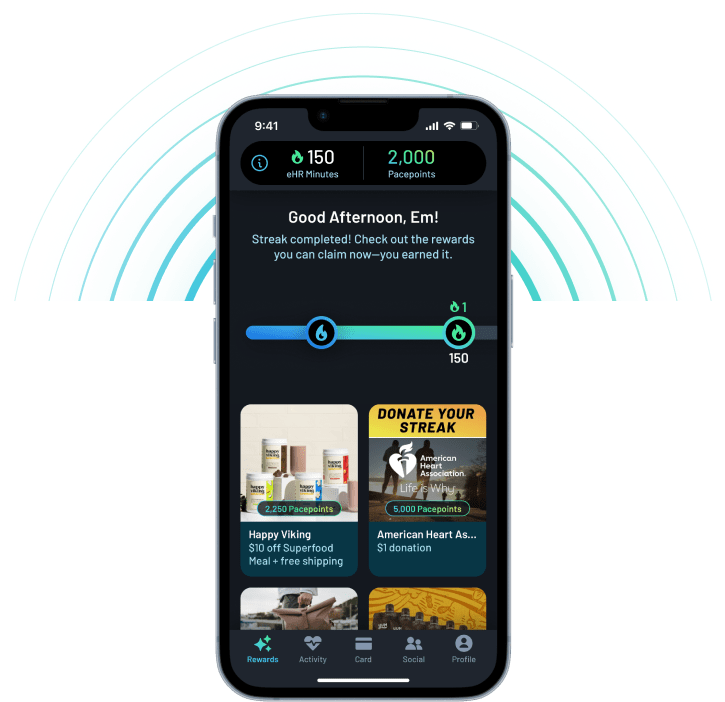
The most important number at Paceline is not a valuation, a heart rate, or a credit score. It is 150. Record 150 minutes of elevated-heart-rate activity in a week and the app calls it a streak. A streak earns Pacepoints and unlocks rewards. Miss it and Monday arrives with the faint bureaucratic sting of a form left unfinished.
The short lap
- Paceline connects to phones and wearables, then rewards consistent movement.
- Its first activity-linked credit card launched in 2021 and closed in 2023.
- The company shifted from gift cards to an inventory-light marketplace with 150 brand partnerships and 3,000 SKUs.
- A paid Paceline+ tier now adds a 0-to-850 health score, personalized goals, and deeper trends.
- The app is useful for people who already track activity; the economics weaken when rewards, data access, or partner demand do not hold.
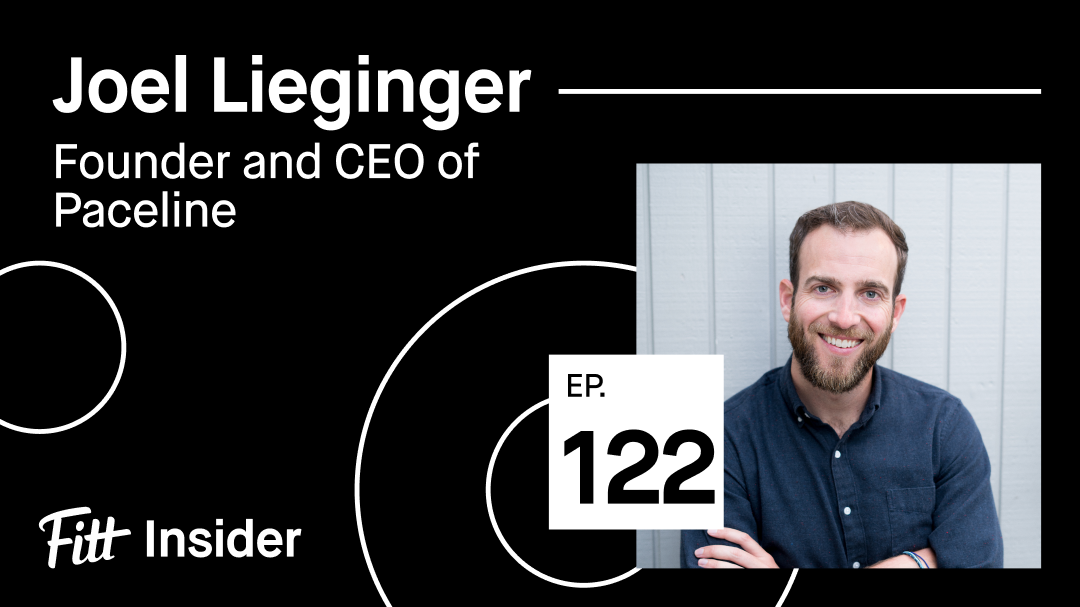
This is the cleverness of the company founded in San Francisco in 2019 by Joel Lieginger, an insurance and banking veteran. Fitness apps usually ask a person to admire a chart. Credit cards ask a person to spend. Paceline asked whether the chart could change the spending. An Apple Watch, Garmin, Fitbit, Oura, WHOOP, or phone supplies the evidence. Paceline translates that evidence into a small economy.
A bank statement with a pulse
Lieginger's founding observation came from financial services: healthier customers often cost institutions less and remain valuable longer, yet the customer rarely receives a direct share of that value. Paceline's first app made the bargain easy to understand. Move enough, link the data, get a reward. By November 2020, beta members had logged 65 million exercise minutes. Paceline raised a $5 million seed round, then $29.5 million in Series A financing in June 2021.
The money funded a bolder version of the bargain. The Paceline Visa Signature card offered boosted cash back when a cardholder maintained the weekly streak. Eligible health and wellness purchases could earn 5%, versus 2.5% without a current streak. A headline offer reimbursed up to $429 toward an Apple Watch through weekly statement credits. The annual fee was $60.
“Your physical health is the most valuable thing to society, and we can actually monetize that for you.”Joel Lieginger, founder and CEO
It was an unusually literal proposition: the watch measured the behavior that helped pay for the watch. It was also a chain with several weak links. Paceline supplied the behavior design, but Evolve Bank & Trust issued the card and Rails Tech managed the program. When that arrangement ended, new purchases stopped on February 23, 2023. The program closed by March 31. Cardholders worried about unfinished Apple Watch credits; Paceline refunded some recently charged annual fees and kept the non-card app running.
The first thing to fail, in other words, was not the 150-minute loop. It was the financial machinery wrapped around it. Paceline's current site again advertises a redesigned card as “coming soon,” but gives no issuer, fee, reward table, or launch date. A waitlist is not a credit card, and the distinction matters.
The reward aisle gets rebuilt
The quieter pivot happened in the reward catalog. At first Paceline handed out gift cards. They were recognizable, but awkward: the company managed them off-platform, support requests piled up, and Paceline learned little about whether a reward was ever used. Replacing gift cards with physical wellness products created a different problem. A young company could not sensibly guess how many yoga mats, protein tubs, or running shorts - in every size - to buy and store.
So Paceline adopted Shopify Plus and Shopify Collective. Brands sync their products into the marketplace and fulfill the orders. Paceline curates the shelf without owning the warehouse. The reported results are the kind of numbers that make an operational change more interesting than a new slogan: 150 partnerships, 3,000 SKUs, 262% year-over-year sales growth, 185% more new customers, and 90% fewer support requests.
After the inventory-light marketplace shift
Directional scale, based on percentages reported in Shopify's Paceline case study. The support bar represents the magnitude of reduction.
This changed the customer from “someone who likes coupons” into something more specific: a workout-verified shopper. The marketplace can surface products by sport, size, and workout frequency. Garmin scales, Hyperice recovery tools, Chomps snacks, Momentous supplements, and hundreds of other items sit on the other side of a Pacepoints price. Brands get an audience that has demonstrated a behavior, not merely clicked an ad.

One score for a noisy body
Paceline's latest product layer is Paceline+. The paid membership combines six signals - elevated-heart-rate minutes, steps, strength sessions, sleep, resting heart rate, and estimated VO₂ max - into a Paceline Score from 0 to 850. It looks back across eight weeks, updates on Mondays, and adjusts comparisons for age and biological sex. Subscribers also get personalized goals, deeper charts, non-expiring Pacepoints, exclusive rewards, and another 10% off marketplace orders.
The standard app remains free. Paceline offers a 14-day trial for the paid tier, though its public help page still displays placeholder pricing rather than an actual monthly or annual amount. That omission makes the business model legible but not fully measurable: free tracking acquires and retains users; a subscription monetizes analysis; commerce earns from product demand; a future card could reconnect spending and activity.
The sequence is copyable. Pick a behavior with an accepted benchmark. Measure it using hardware the customer already owns. Reward consistency rather than the heroic Saturday workout. Make the reward concrete. Then remove the ugly fulfillment work before it consumes the company.
But it is not automatic. The loop depends on accurate device data, repeated permission to read it, rewards large enough to change behavior, and partner margins large enough to fund those rewards. People without compatible devices or an appetite for tracked wellness sit outside the best version of the product. A future insurance layer would raise harder questions about privacy, fairness, and whether voluntary encouragement can quietly become economic pressure.
The unfinished exchange rate
Paceline says members have logged 7.3 billion exercise minutes and claimed 3.6 million reward offers. It also says members record 35 additional exercise minutes per week. Those are company-reported figures, not a randomized medical trial, but they explain why Paceline keeps returning to the same thesis after a conspicuous product failure. The act of rewarding movement appears to produce engagement. The open question is who should pay for it.
Today, wellness brands pay indirectly through products and offers, while some users pay for Paceline+. Tomorrow, Paceline imagines banks and insurers recognizing the signal too. The old card showed both the attraction and the danger of that vision: benefits can feel magical when every layer works, then fragile when one provider leaves.
There is a small joke hidden in the company's legal name. Paceline was already taken, so the corporation became Tam(squared), after Tai Tam in Hong Kong, where Lieginger once lived, and Mount Tamalpais near his Bay Area home. Two distant hills joined by a founder's biography. Paceline's product performs a similar trick. It joins two things that usually live apart - the minutes on a watch and the dollars in a wallet - then tries to convince each side that the bridge is valuable. The bridge has already lost one span. The traffic, remarkably, kept moving.