Imagine owning something valuable that you cannot readily sell. The business is hiring. Its software works. Its prospects may be improving. Yet the shares remain private, and your own timetable has become inconvenient. OnePrime Capital occupies this peculiar corner of technology investing: the distance between a company doing well and a shareholder getting paid.
- The transaction: buy existing stakes in private technology businesses.
- The people: founders, employees and investors seeking liquidity.
- The capital: a third secondary fund that closed at $305 million in 2025.
That distinction matters because startup stories usually follow the company’s clock. A financing round arrives; a product launches; eventually, perhaps, a stock exchange beckons. Shareholders have clocks of their own. A secondary investor can let one owner leave while the business carries on. The interesting question becomes who is prepared to take that owner’s place.
The money changes hands
OnePrime is a direct secondary investor. In the basic transaction, it buys shares from an existing holder. The seller receives cash, and the buyer assumes the investment’s remaining uncertainty. Compare that with a primary financing, where a company issues new shares and receives the proceeds. Both transactions involve equity. They solve different problems.
The firm’s July 2025 fund announcement describes an exclusive focus on direct secondaries in high-growth, late-stage software companies. Its broader website also describes primary and structured financings. Read together, these describe a specialist secondary strategy within a business willing to consider different capital structures. The practical attraction is flexibility over whose problem the money solves.
Cash →EXISTING HOLDER
← Shares
A founder seeking partial liquidity, an employee holding private stock, or a venture firm looking to sell a position can therefore be a counterparty. The company itself matters throughout. Its permission, information and ownership arrangements can determine whether a proposed transfer becomes an actual transaction.
Two careers before the secondaries
Co-founders Raj Gollamudi and Marc Yi arrived with experience investing directly in technology businesses. Both worked at Intel Capital. Gollamudi had also co-founded BlueStream Ventures, a $300 million technology venture firm, and invested at Omidyar Network. Earlier still, he wrote software at Sun Microsystems and worked as a software architect at Lucid.
Yi’s experience followed another route through global investing. At Intel Capital, he managed a $500 million investment portfolio spanning more than 20 countries and served on its investment committee. Before Intel, he invested in emerging-market infrastructure and telecommunications at the International Finance Corporation, part of the World Bank Group.
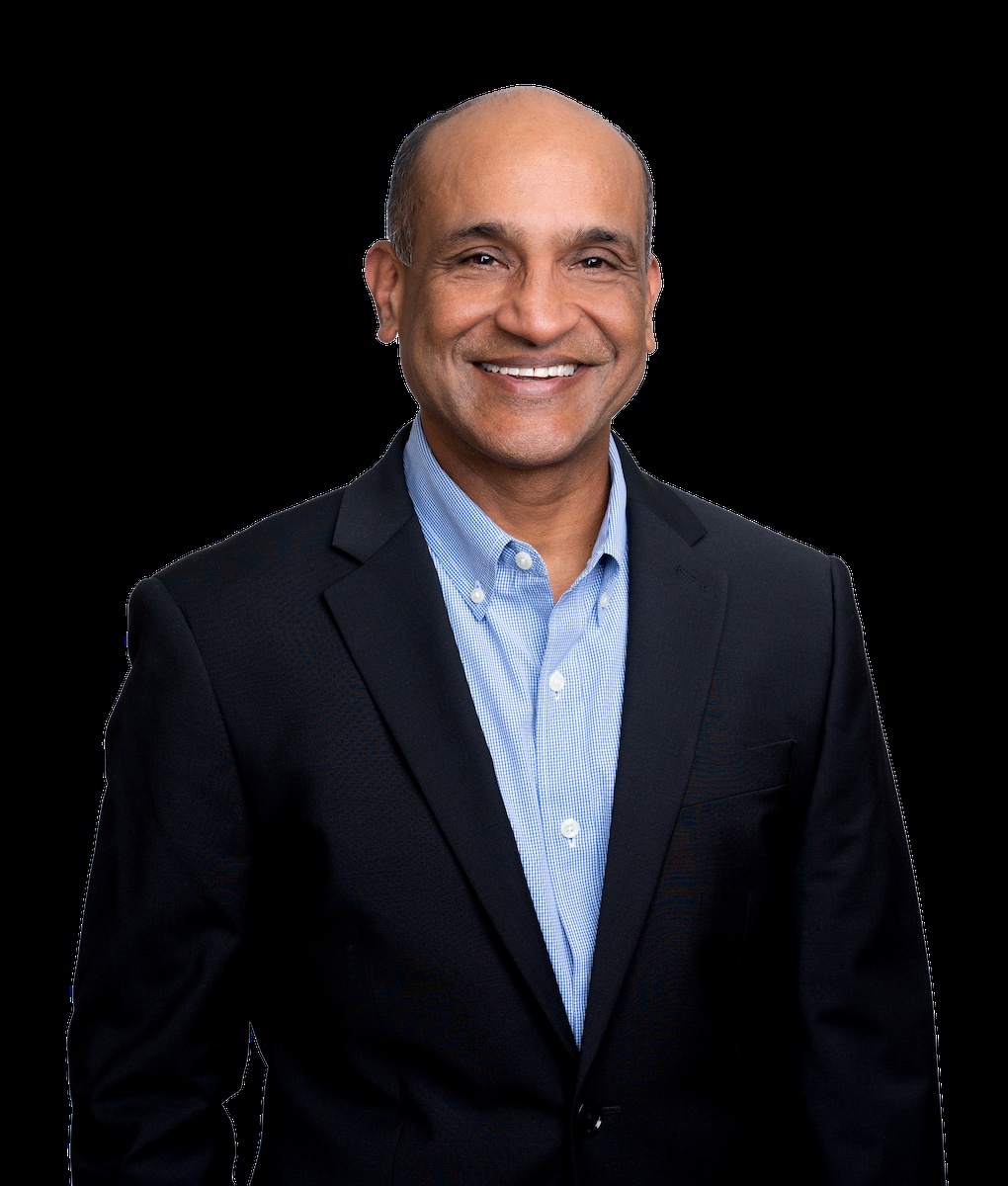

These histories help explain OnePrime’s pitch. A private share requires a judgment about the underlying business as well as its price. Software experience can inform that judgment; investment relationships can help obtain the information. The inference is straightforward: a secondary buyer benefits from understanding the company as thoroughly as an investor writing its next primary check.
$305 million, carefully labeled
On July 8, 2025, OnePrime announced that Secondary Fund III had closed with $305 million in commitments, exceeding a $275 million target. The announcement described an eight-month fundraising period following an October 2024 launch. Its investors included family offices, endowments, foundations, insurers and pension funds across North America, Asia, Europe and Latin America.
Those are commitments to an investment vehicle. They are not OnePrime’s revenue, a valuation of the management company, or cash paid to one startup. The extra $30 million shows fundraising exceeded the stated objective. It tells us something about investor demand for this fund; investment results require a different set of numbers.
“Liquidity is the lifeblood of financial markets”Marc Yi, on the Fund III closing
There are two relationships to understand here. Shareholders transact with the fund when they sell their stakes. Limited partners supply the capital that makes those purchases possible. OnePrime manages the investment activity between them. A seller gets liquidity; a fund investor gains exposure to the acquired businesses. The economic interests meet at the transaction price, but their reasons for arriving at the table can be quite different.
The paperwork has a vote
OnePrime’s team includes Connie Paiement, its chief financial, legal and compliance officer, who joined in 2018. Her earlier CFO and legal roles included BlueStream Ventures and First Green Partners. That combination fits a business where negotiating ownership can be as consequential as identifying a promising product.
The wider market explains why. In a November 2025 discussion, fellow investor G Squared described issuer approvals, selective access to information, different security rights and variable settlement processes as persistent secondary-market frictions. A willing seller and an attractive company do not automatically produce transferable shares. Common and preferred stock can carry different rights. Price alone cannot settle every disagreement.
The bargain also asks something of the buyer: patience and a willingness to bear company risk. Buying an existing stake does not make the business safer or create a guaranteed exit date. For a seller, cash today means giving up the future gains attached to the shares sold. If approvals are unavailable, diligence is inadequate, or the two sides cannot agree on value, the proposed liquidity remains a conversation. These are practical limits of the transaction itself.
OnePrime competes for opportunities in this market alongside investors such as G Squared and Industry Ventures. Industry Ventures also buys venture-fund interests and operates several investment strategies. OnePrime’s Fund III description is narrower: direct stakes in late-stage software businesses. Its stated preference for discreet, customized processes suits negotiated transactions rather than an open trading screen.
An exit list is a beginning
OnePrime’s published milestones include DocuSign, Roblox, Wise and GitLab. More recent entries include Netskope’s September 2025 IPO, Google’s completed acquisition of Wiz in March 2026 and Capital One’s completed acquisition of Brex in April 2026. These events show several ways a private company can reach a new ownership stage.
They do not establish the return on OnePrime’s particular investments. Entry price, security terms, holding period and eventual sale all matter. Even an IPO does not tell a reader when a fund sold its stock. An exit calendar is useful evidence of company milestones; calculating investor performance takes more work.
For founders, the portable lesson is to separate the company’s capital requirements from its owners’ liquidity requirements. Before seeking a buyer, establish what shares can move, which approvals apply and what information can be shared. A secondary transaction can reconcile different timelines when the terms work for both sides. OnePrime’s business starts with that ordinary human difference: somebody is ready to leave, and somebody else can wait.