Before there was a camera pointed at breakfast, there was a calorie spreadsheet. J.J. Allaire was tracking his food in Excel. The iPhone offered a more convenient place to put the diary: beside the person doing the eating. Lose It! began in 2008 with Allaire, Charles Teague and designer Paul DiCristina. The premise was modest enough to survive contact with lunch.
- A personal calorie budget, with food and activity tracking.
- Free basics; paid tools for more detailed goals and easier logging.
- Photo recognition dating back to 2016.
- A business that learned to question both advertising and effortless onboarding.
Weight management produces a peculiar kind of paperwork. Every sandwich becomes an entry; every entry competes with something more appealing. Lose It!’s proposition is to make that record practical enough to repeat. Its most interesting decisions concern the distance between intending to keep a diary and actually keeping one.
Lunch, without the paperwork
The app turns personal measurements and goals into a daily calorie budget. Users record food, activity and weight, then see how the entries fit together. Its audience includes adults trying to lose weight, maintain it, or understand their nutrition. The product is available on iPhone and Android, with web access. A phone is a useful filing cabinet because people tend to bring it to the table.
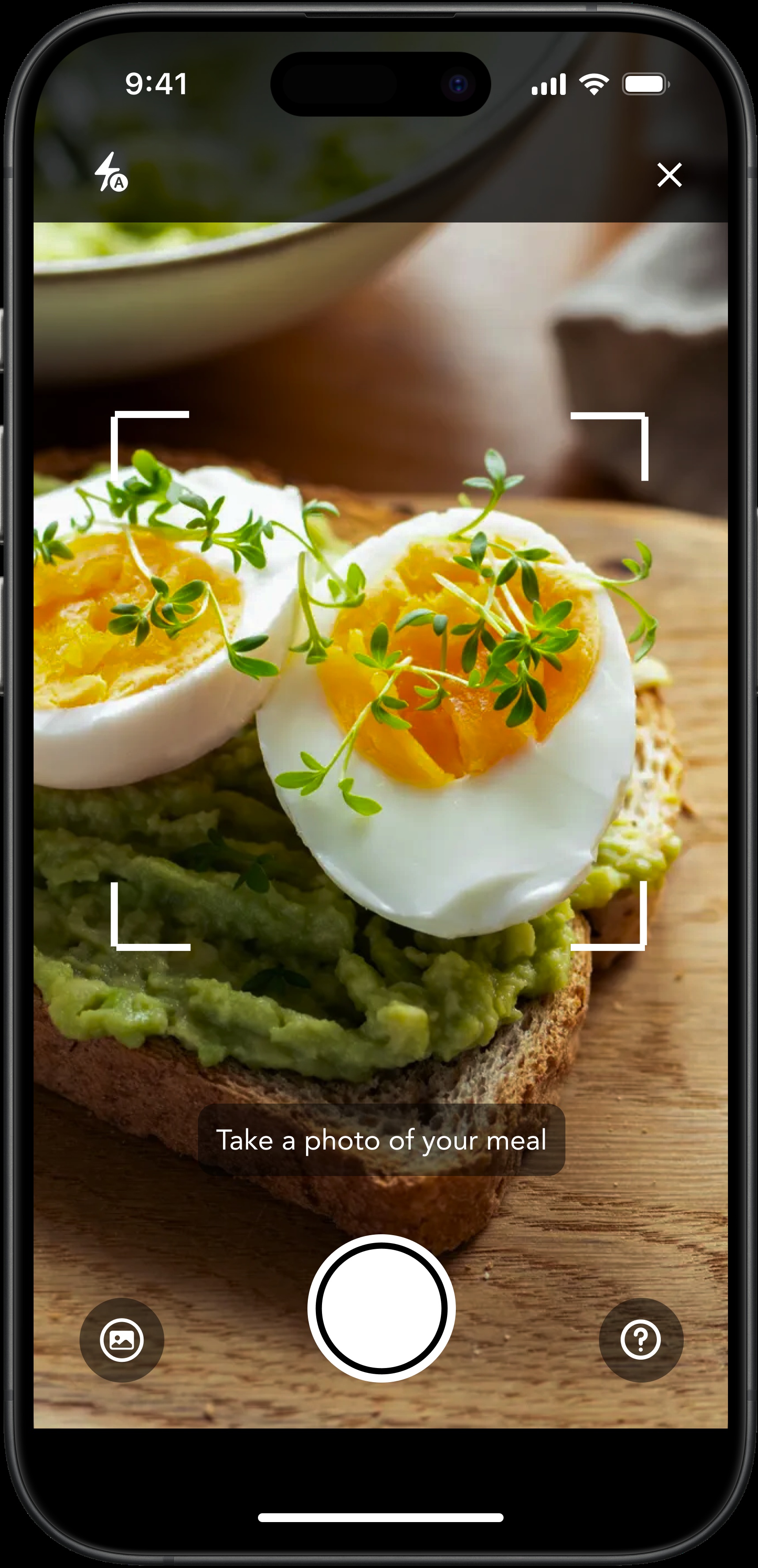
There are several routes into the log: searching a food database, revisiting earlier meals, scanning a barcode, speaking a description or photographing a plate. The logging tools include verified food entries and editable nutrition information. Premium also supports planning food ahead. Yesterday’s breakfast can become today’s shortcut, which is a more persuasive convenience than another motivational notification.
Water goals, macronutrient targets and behavior reports broaden the diary beyond calories. Device connections reduce duplicate entry. These are ordinary conveniences with a cumulative purpose: less time administering the record, more opportunity to inspect it. The app supplies information and structure; the user still chooses what to eat.
A free habit needs a paid business
The business sells a paid layer around a free core. Basic calorie tracking supplies the entry point; Premium offers additional planning, tracking and logging features. The current Android listing places barcode scanning, photo logging and voice logging among Premium features. Advertising also appears in the product. “Free” describes a usable starting point, rather than every convenience in the catalogue.
Cost requires a little care. The US Apple listing includes a $79.99 Premium purchase alongside other offers. Lose It!’s support documentation says prices vary with promotions and usage; eligible newcomers can receive a seven-day trial. The amount and term shown at checkout matter more than a price remembered from an old review.
This places Lose It! alongside MyFitnessPal, Cronometer and other nutrition trackers. Its appeal is a familiar diary with several ways to fill it, rather than an entirely new theory of eating. In a founder interview, Teague described deciding that the 2012 financing would be the company’s last: the business had to learn to feed itself. That round raised $5.5 million.
The welcome that got longer
In a 2023 interview, executives described lengthening onboarding and seeing trial starts rise by double digits. Free-user retention improved too. Yet extra Premium features sometimes disrupted the flow. A weekend calorie option resonated; an early carb-goal setup performed poorly. The distinction came from experiments.
Other tests disappointed. Locking all macro functions angered users without enough financial benefit. A 2019 paid acquisition push generated free users but failed economically. Early returns on advertising sometimes reached only 10%; that was an early measurement, not a final lifetime return.
Editorial interpretation of the product and onboarding experiments.
The transferable lesson is to test effort where it occurs. A thoughtful question might help someone commit; another chart might delay them. Longer onboarding makes little sense when a customer already knows what they need and simply wants to finish.
The camera came early
Lose It!’s expertise includes an older chapter of machine learning. In 2016, NVIDIA described Snap It training on four TITAN X GPUs, using 230,000 food images and billions of logged foods. The feature later received recognition as a CES 2017 Innovation Awards Honoree. Recognizing dinner was a difficult computer problem before it became a fashionable pitch.
“Without the GPUs, we never would have initiated this project.”Edward W. Lowe, data scientist / 2016
Today, Snap It suggests foods and estimated servings from a live picture or uploaded image. Users can swap matches and edit quantities. The current instructions require an English device language and Premium membership. The camera offers a draft of the meal record. Checking that draft remains part of the job.
What the numbers can tell you
The company reported those totals in April 2025. They describe accumulated participation, not a room containing 57 million active customers. Nor do they establish how much weight the app itself caused anyone to lose.
A 2019 retrospective study compared 9,871 photo-feature users with 113,916 nonusers. Photo users logged on more days and had slightly greater weight loss. After accounting for logging days or duration of use, the weight-loss effect disappeared. An earlier, small eight-week study found more consistent recording with Lose It! than with paper, but no difference in weight loss between groups. Convenience can support a habit without proving a superior result.
A diary with clinical company
Everyday Health Group acquired Lose It! in June 2022. The announcement described inviting a member to every staff meeting. That is a useful antidote to discussing retention as though people were merely rows in a report.

In June 2024, Cleveland Clinic and FitNow announced a separate diet app combining tracking with expert guidance. The distinction matters: recording food and providing clinical expertise are different jobs. Lose It!’s enduring contribution is making the first job easier to carry into an ordinary day. Tomorrow’s lunch still has to be logged.