At Athletic Brewing, the trouble began with a perfectly reasonable habit: ask for three quotes. For each shipment, emails went to brokers. Replies came back. Someone compared them. Spreadsheets recorded what happened next. As the brewer grew, this little ritual multiplied. A process that made sense one shipment at a time became a very expensive way to spend an afternoon.
That is a useful place to meet Loadsmart. Freight technology often invites us to admire an algorithm. Here, the more interesting object is an inbox.
- Loadsmart sells freight services and the software around them.
- ShipperGuide handles transportation; Opendock coordinates the facility.
- Its newest AI offer includes people to finish unresolved tasks.
01 / Three quotes become thirty relationships
Athletic adopted ShipperGuide, Loadsmart’s transportation management system, and established quarterly requests for proposals. Its provider network expanded to more than 30. Bids could be compared together, with service requirements still part of the decision.
The brewer’s case study reports rates roughly 7-8% below average spot benchmarks, compared with an earlier 4-5% below spot. Those are comparisons with a market benchmark, rather than a 7-8% reduction in its previous bill. The distinction matters. So does the mechanism: recurring bids, more options, and information someone can actually use.
Later, Athletic added Opendock. Its first-come, first-served dock operation had become congested. Carriers could now reserve available appointments online. Warehouse managers gained a clearer view of arrivals and could organize staffing and breaks. The shipment had acquired a calendar.
“This visibility gives us peace of mind.”
Keenan Kubicki / Athletic Brewing
02 / The door belongs in the calculation
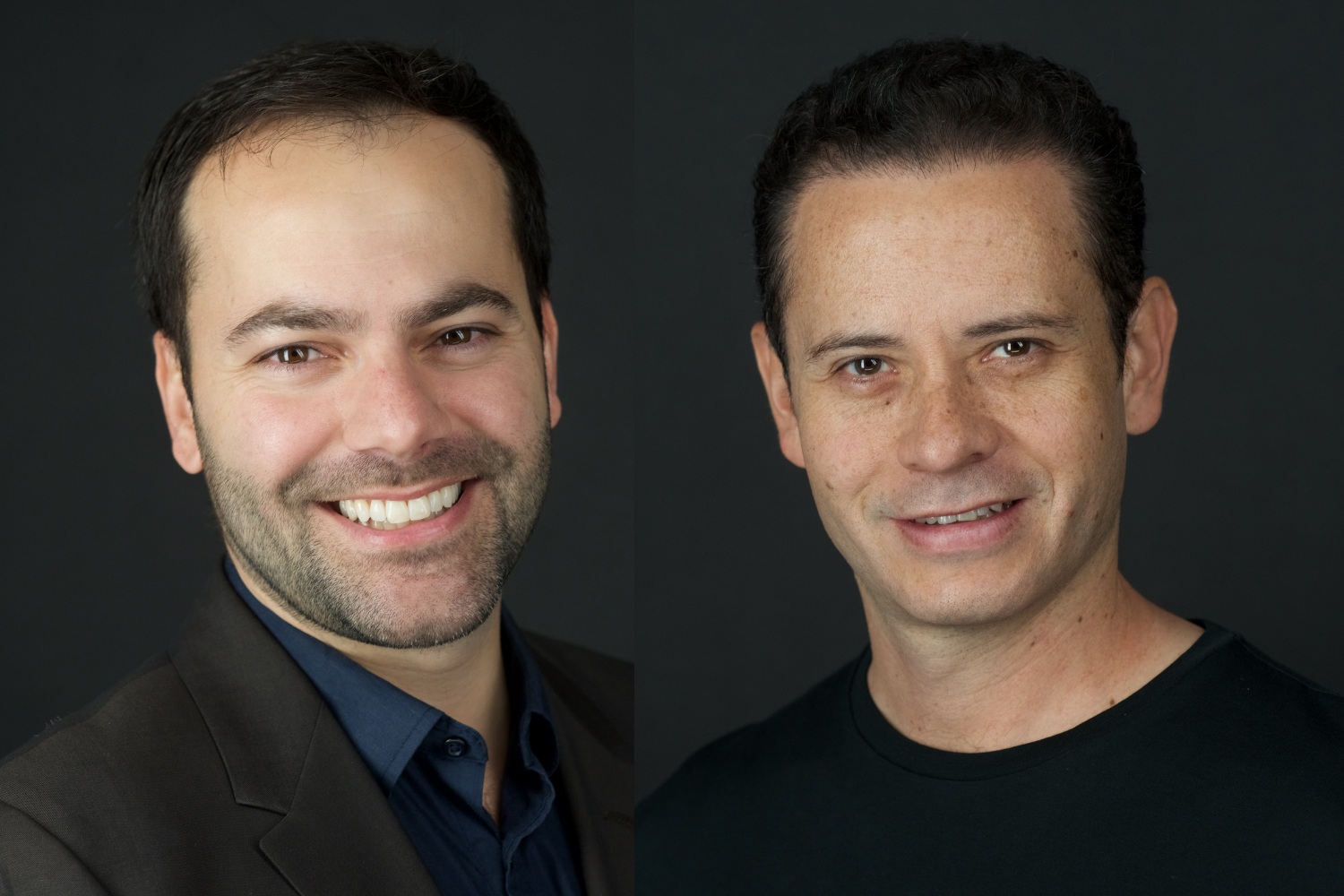
Founded in 2014 by Felipe Capella and Ricardo Salgado, Loadsmart began with instant truckload pricing and booking. It brought a familiar internet promise to freight: get a price and act on it without waiting through a telephone relay.
But booking is one moment in a shipment’s life. Before it, someone must assemble orders and choose a transportation mode. After it, someone must arrange arrival, track delivery, collect documents, and reconcile the bill. Optimizing the quote leaves plenty of room for the rest of the journey to go sideways.
In 2021, Loadsmart launched its own procurement software, RFPGuide, which evolved into ShipperGuide. It also acquired Opendock and trucking-management platform Kamion. The acquisitions connected warehouse scheduling and carrier operations to a business that already arranged freight. That made the warehouse door part of the product strategy.
- 01Plan + buyOrders, modes, carriers
- 02Move + receiveTenders, tracking, appointments
- 03Check + payDocuments, invoices, settlement
Today, ShipperGuide spans procurement, planning, execution, visibility, and settlement. Opendock covers docks, gates, and yards. Brokerage supplies transportation; managed transportation adds specialists who run agreed parts of the operation. The expertise is a mixture of software engineering, freight procurement, and the practical business of getting a carrier to complete a load.
03 / The empty truck has something to sell
Consider Flatbed Messenger, developed with The Home Depot. Dedicated fleets can deliver one customer’s goods and return empty. Loadsmart’s approach starts with that available truck: where it will be, where it wants to go, and the price required to move it. Then it looks for a matching shipment.
It is an appealing reversal. A return trip that was already going to happen becomes useful capacity for another shipper. The constraints remain physical: the equipment, route, timing, and driver’s available hours must fit. A clever match on a screen still needs a workable journey on the road.
04 / The software had to earn its keep
There is also an economic explanation for the broader product portfolio. In an October 2026 FreightWaves interview, Capella described the dilemma behind the software expansion: a substantial research-and-development budget required either a lower cost structure or a higher-margin revenue stream. Loadsmart chose to build that revenue stream.
By that interview, he said SaaS supplied half the company’s gross profit. Gross profit is the relevant measure here; it does not mean half its sales came from subscriptions. Software changed the mix of what the business earned after direct costs.
The expansion had serious backing. A $90 million Series C in 2020 was followed by a $200 million Series D in February 2022, led by SoftBank Latin America Fund, at a $1.3 billion valuation. That is a financing-era valuation, rather than a fresh appraisal.
According to CEO Felipe Capella, October 2026. A change in business mix, not a revenue split.
Loadsmart announced operating profitability for Q3 2024. Its disclosed definition subtracts direct operating costs and associated sales, marketing, and support costs. Readers should keep that definition attached to the claim; it does not establish company-wide net profitability.
05 / Give the machine one job
In September 2026, Loadsmart introduced AI agents for six workflows, including collecting documents, chasing status updates, handling failed tenders, and rescheduling appointments. The offer begins with a free proof of concept on one workflow inside the customer’s existing systems. Human freight operators finish tasks the agents cannot resolve.
This places Loadsmart between several markets. A shipper might otherwise buy brokerage from C.H. Robinson or Uber Freight, transportation software from a TMS vendor, and scheduling separately. Loadsmart’s proposition is to connect those jobs, with operational help available alongside software.
The bill depends on what the customer buys: freight priced per load, software with free and paid options, or scoped services. The sensible comparison includes integration effort and staff time, alongside the quoted price.
There is a copyable lesson here. Pick a repetitive task, establish its current cost and completion rate, define the rules, and measure the result. Cascades’ Opendock rollout offers another: phase adoption, train for local needs, and include the carriers.
These tools have less room to help when volumes are tiny, records are unreliable, or partners will not participate. Those are operating constraints, not software features. Athletic’s inbox is the useful test: how many ordinary decisions can your team still make well before the next shipment arrives?