Early on New Year’s Day in 2012, a processing project in Jacksonville was already finished. Lender Processing Services had completed month-end, quarter-end and year-end work for 62 clients covering more than 34 million loans. Customers could still access the servicing system while the work ran. For a company selling administrative continuity, that was a rather good party trick.
- The machine: MSP, software used to service approximately half of U.S. mortgages by dollar volume.
- The business: sell banks the processing, information and services a mortgage keeps needing.
- The complication: document-signing misconduct at DocX brought federal and state resolutions.
- The afterlife: a 2014 acquisition, then Black Knight, then ICE for the technology business.
Most borrowers would never encounter the LPS name. Their relationship was with a lender or servicer. But behind the monthly statement sat records, calculations, reporting requirements and exceptions. LPS occupied that less visible territory. Understanding it means following the mortgage after everyone has left the closing table.
A mortgage is a very long to-do list
A home purchase has a dramatic ending: the keys change hands. The loan begins a much longer administrative life. Payments arrive. Escrow needs attention. Investors require reporting. A borrower calls with a question. A missed payment creates another sequence of tasks. Each event must attach to the right account, in the right order.
LPS supplied the machinery for that work. MSP kept core mortgage records and supported servicing processes. Empower handled loan origination. Desktop organized workflows, images and invoices. RealEC connected lenders with outside providers. Around the software sat title, closing, valuation and default-related services. A bank could buy technology and also purchase help performing the work around it.
This was business-to-business infrastructure. Banks and mortgage companies were the buyers; borrowers experienced the consequences. In 2013, LPS described MSP as supporting approximately 50 percent of American mortgages by dollar volume. That is a software footprint, not a claim that LPS itself collected half the nation’s mortgage payments.
The handoff was the product
LPS had inherited operations rather than a garage origin story. Incorporated in December 2007, it became independent through a July 2008 spin-off from Fidelity National Information Services. The timing placed its standalone debut inside a housing crisis, with lenders confronting the very servicing and default problems its businesses addressed.
The appeal was the handoff. A lender choosing a system also needed data, settlement providers and a way to move work between them. LPS’s breadth made those adjacent tasks available within an established commercial relationship. Its account-management approach explicitly emphasized cross-selling. The sales opportunity continued after the first contract.
Data added another reason to stay. LPS’s 2008 McDash acquisition announcement described access to loan-level information on more than 39 million active first and second mortgages. Servicers and investors could compare performance across portfolios. The same industry producing a mountain of administrative records was also producing material for analysis.
Consider a more specific problem: a borrower takes on new debt after applying but before closing. In May 2013, Equifax announced an Empower integration that monitored that interval and alerted lenders to potentially risky activity. The useful innovation was a warning arriving inside an existing workflow, while someone could still act on it.
A small fee, repeated
Recurring mortgage administration supported recurring revenue. Historical MSP pricing materials described tiered per-loan charges and minimum usage commitments. Other services generated transaction fees. The attraction for a bank was a maintained processing capability instead of assembling every component internally. LPS still faced those internal departments as competitors, alongside specialist data and service suppliers.
The fees could be modest at the individual-task level. A Justice Department statement of facts put DocX’s document charges at approximately $5 to $15 apiece. DocX prepared and executed mortgage-related documents for recording. Those small pieces of paper carried legal significance far beyond their processing price.
A signature is not a throughput target
At DocX, personnel signed as authorized people and falsely notarized documents. The Justice Department said the practices increased profits, including through cheaper temporary labor. Documents subsequently reached public recording offices and court proceedings. The failure described in the case sat in execution and verification: the paperwork represented an authorization it did not have.
“Today’s settlements are another major step toward putting issues related to past business practices behind us.”
Hugh Harris, LPS CEO / January 2013
LPS announced $127 million in aggregated multistate payments in January 2013. A separate federal non-prosecution agreement required $35 million the following month. These were different resolutions. The federal account also credited LPS’s investigation, cooperation and remediation, and said DocX personnel had concealed misconduct from senior management and auditors.
The corrective actions were concrete: wind down DocX, terminate involved personnel and re-execute and re-file assignments where appropriate. For an operator reading this history, the lesson is practical. Keep proof of authority attached to the task. Check the exception independently. A workflow that counts completed documents cannot, by itself, establish that they were validly executed.
The name went away. The work stayed.
Fidelity National Financial agreed to buy LPS in May 2013 and completed the acquisition on January 2, 2014. The final consideration was $3.4 billion. Technology and analytics moved into the Black Knight structure; transaction services joined ServiceLink. The following day, LPS became Black Knight InfoServ, LLC. The public-company chapter closed.
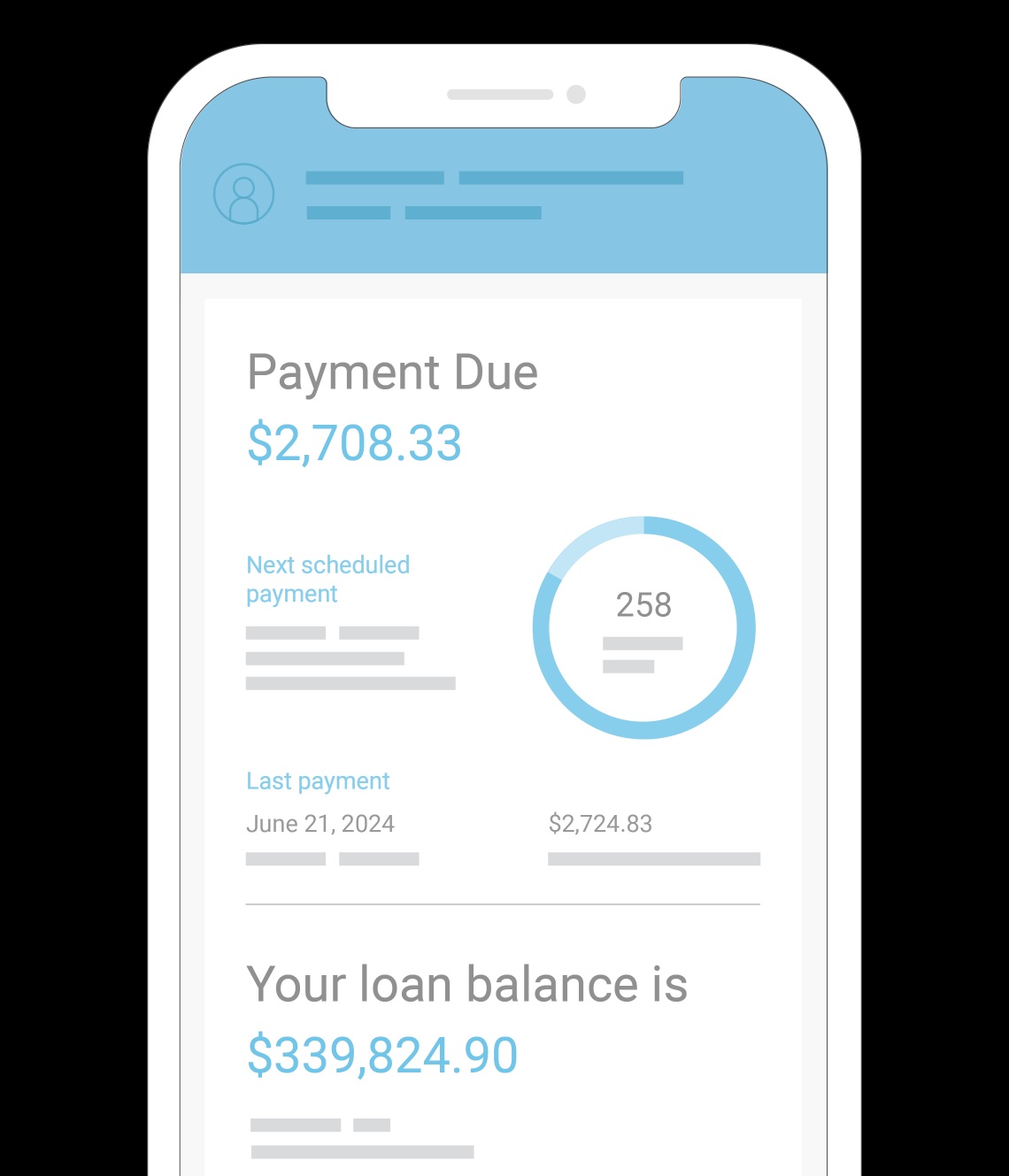
ICE acquired Black Knight in September 2023. That lineage needs care: Encompass came through ICE’s Ellie Mae acquisition, not LPS. Empower and Optimal Blue were divested to Constellation subsidiaries in connection with the Black Knight deal. A familiar corporate family tree can conceal very different product histories.
What can another business copy? Start with work customers must repeat, then make the adjoining handoffs easier. That approach needs dependable records, integrations and controls. It becomes fragile when a shortcut can manufacture false evidence or when volume substitutes for verification. LPS’s enduring software and its failed document practices belong in the same story. Every mortgage needs both processing and proof.