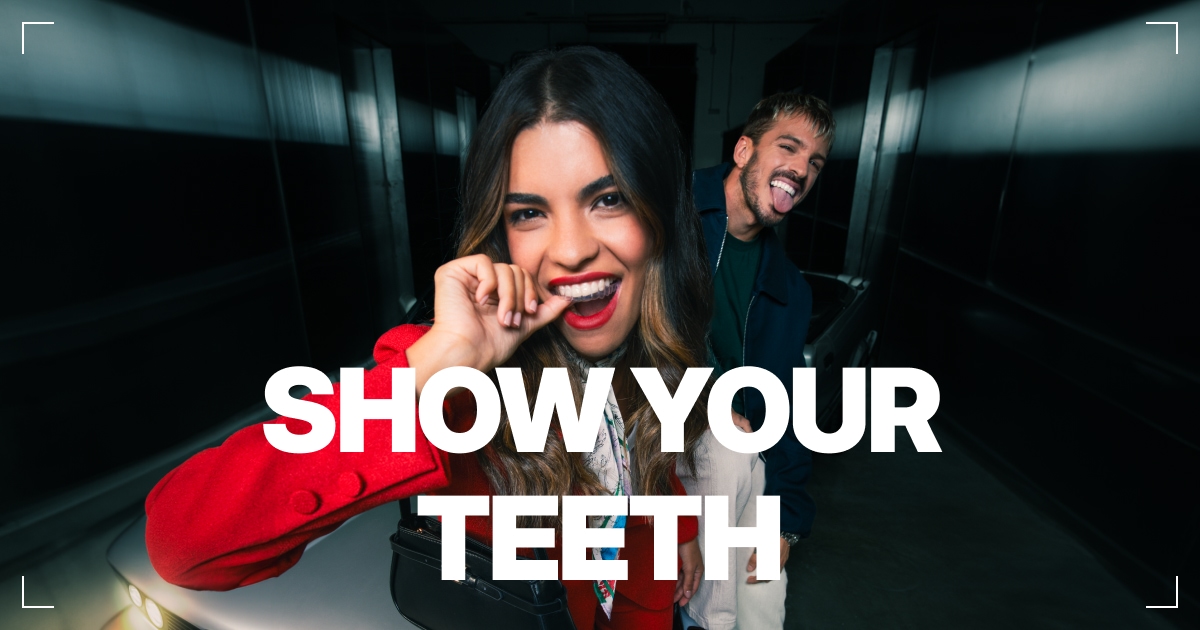
Walk into an Impress clinic on a Tuesday and the thing you notice is what's missing. No wall of pamphlets about the two-year metal-mouth commitment. No receptionist quoting a number that makes you reconsider crooked teeth entirely. Instead there is a 3D scanner, a tablet, an orthodontist who actually looks at the scan, and a treatment plan that says, with a straight face, "about six months."
That is the trick Impress is selling: orthodontics that behaves like software. Book online, get scanned once, then track the whole thing from an app while the aligners do their quiet work. The company calls it doctor-led digital orthodontics. Most patients just call it the version that didn't make them dread the dentist.
Straightening teeth was slow, secret, and expensive
For most of modern dentistry, fixing a crooked smile meant one of two unappealing deals. Option one: traditional braces, a multi-year relationship with metal and monthly tightening appointments. Option two, the newer one: mail-order aligners, where you took your own impressions at the kitchen table, mailed them off, and hoped a stranger's algorithm didn't move your teeth somewhere they shouldn't go.
The mail-order model had a spectacular flaw, and the market eventually noticed it. SmileDirectClub, the poster child for orthodontics-by-post, went bankrupt in 2023. Removing the orthodontist from orthodontics turned out to be exactly as risky as it sounds.
Impress looked at both options and decided the answer wasn't to pick one. It was to keep the doctor and add the technology - the part everyone else treated as either/or.
The aligner industry spent a decade arguing about whether you needed a real orthodontist. Impress quietly answered "yes" and then automated everything around them.
A dentist and two operators walk into Barcelona
In 2019, orthodontist Dr. Khaled Kasem teamed up with serial entrepreneurs Vladimir and Diliara Lupenko and opened a single clinic in Barcelona. Kasem brought the clinical credibility; the Lupenkos brought the instinct that a chain of clinics is, underneath, a logistics-and-software company that happens to involve teeth.
Their bet had a specific shape. Keep treatment inside real clinics with real orthodontists - so the clinical oversight that mail-order brands skipped stays intact. Then wrap that core in 3D scanning, AI-assisted planning, and a remote-monitoring app so patients spend less time in waiting rooms and more time getting on with their lives. The clinic is the trust; the tech is the convenience.
Investors liked the shape of it. A $50M Series A landed in 2021. A $125M Series B followed in 2022. By late 2024, Impress had pulled together more than $250M in total funding, including growth capital and debt financing led by names like Trinity Capital, CareCapital, LBO France, and TA Ventures.
What you actually get
Impress is best known for its clear aligners - the discreet, removable kind - but the company sells the whole journey, not just the plastic. It starts with an in-clinic 3D scan and, where needed, a CBCT X-ray. An orthodontist designs the plan with AI assistance, you collect a series of custom aligners, and then the app takes over the boring middle part: remote check-ins, progress photos, and support without a calendar full of appointments.
Clear Aligners
Custom, near-invisible aligners with orthodontist-designed plans, often targeting results in under six months.
Kids & Teens
Treatment tracks built for younger patients, not just adult plans in smaller trays.
Remote Monitoring App
Check-ins, progress tracking and support between visits, so the clinic comes to your couch.
Whitening & Retainers
Professional whitening plus a retainer subscription to keep the new smile from drifting back.
The pitch to a patient is refreshingly concrete: fewer appointments, a discreet look, a clinician who signs off on every move, and a timeline measured in months rather than years.
The short, fast life of Impress
Six years, one continent crossed, one rival swallowed.
The numbers behind the smile
Scale is the part that's hard to fake. Impress operates over 110 clinics across roughly ten countries in Europe and the United States, with a medical team of around 500 orthodontists and a network that serves on the order of 250,000 patients a year. That makes it, by most counts, Europe's largest chain of clear-aligner clinics.
Funding, stacked higher each round
Cumulative capital raised, in USD. Orthodontics turned out to be a growth sport.
Totals are cumulative and approximate, drawn from public reporting across funding rounds.
The 2024 DrSmile acquisition was the boldest line on the chart. Impress bought a competitor that the dental giant Straumann had owned - and handed Straumann a minority stake in return. Consolidation, with better teeth, and a tidy expansion into Germany, the Netherlands, and Sweden.
Make good orthodontics ordinary
Impress states its purpose plainly: make high-quality orthodontic care more accessible, convenient, and affordable, using technology to improve the patient experience without losing clinical oversight. It's a mission that sounds modest until you remember the alternative was years of metal or a gamble in the mail.
The interesting part is the constraint they refused to drop. Plenty of companies can make a process cheaper by removing the expert. Impress made it cheaper and faster while insisting the expert stay. That's harder, slower to scale, and the reason patients trust it.
The smile, productized
Healthcare keeps promising to go digital and mostly delivers worse logins. Impress is one of the rare cases where the digital layer made the physical care genuinely better - shorter, clearer, and easier to stick with. As AI planning sharpens and the clinic network thickens, the gap between "I should fix my teeth someday" and "I booked a scan" keeps shrinking.
So walk back into that clinic on a Tuesday. The scanner hums, the orthodontist reads the model, the app pings your phone with the plan. The thing that used to be a two-year ordeal is now a six-month errand you mostly forget you're running. That's what Impress changed: not the teeth, exactly, but the dread that used to come attached to them.