"She finds the leaders before you know you need them."
The title says "talent partner." The job is closer to organizational architect. Holly Rose Faith sits inside one of Silicon Valley's most enduring venture firms - Greylock Partners - and her work shapes which leaders get to run the companies that reshape markets. She doesn't fill seats. She helps founders figure out what kind of seat they actually need.
Faith joined Greylock in 2019 after building her expertise across two other elite firms: Khosla Ventures and NEA. By then she had already placed C-suite and VP-level executives at companies like Databricks, Transfix, and Casper - names that were ascending fast and needed leadership infrastructure that could keep up. At Greylock, she extended that track record to include Roblox, Nextdoor, Gem, PayJoy, Snorkel, and Abnormal AI, among others.
The Abnormal AI story gets repeated in VC circles. Faith placed the Chief Revenue Officer at the email security startup. Within four years, that company crossed $100 million in annual recurring revenue. One hire. One inflection point. That's the math she works with every day.
Faith studied sociology at UC Santa Cruz - not business, not computer science - and the discipline shows. She reads organizations the way sociologists read societies: power dynamics, unspoken norms, who shapes culture versus who just describes it. Before VC, she started at Bain in a recruiting function, getting an early look at how large organizations actually operate versus how they say they operate. That gap between stated and actual is where she does her best work.
"In this first interview, you are selling. You want them to be hearing all the great things about your business."
Placed Abnormal AI's Chief Revenue Officer. Within four years, the company crossed $100 million in ARR - one of the fastest trajectories in enterprise security. One search. Measurable outcome.
Built leadership teams at Roblox (gaming/metaverse), Nextdoor (social/local), Databricks (data/AI), Casper (DTC), Transfix (logistics), Gem (talent software), PayJoy (fintech), and Snorkel (AI data).
Recorded two episodes of Greylock's Greymatter podcast that became foundational resources for founders navigating C-suite hiring: The Executive Recruiting Playbook and Executive Reference Checklist.
Built her senior executive network across three elite VC platforms - Khosla, NEA, and Greylock - giving her a cross-portfolio view of leadership talent that few individuals in the industry possess.
Contributes to Greylock's ongoing effort to build intentional diversity into executive search, working with partners like Daversa to widen candidate pipelines at the board and C-suite level.
Created and published a systematic reference-check methodology adopted by Greylock portfolio founders - treating references as structured data, not box-checking formalities.
Define the company story before the search starts. Candidates need to feel the pull.
Set outcomes, accountabilities, and competencies in writing before any candidate walks in.
Run "calibration conversations" with experienced executives to sharpen what good looks like.
Treat references like structured interviews, not formalities. Open-ended. Systematic. Honest.
Present your best offer first. Close it in person. Signal that you genuinely want the person.
The hardest part of Faith's job isn't finding great executives. It's convincing founders that the executive they're picturing isn't the one they actually need. She describes a recurring pattern: a founder who built the first thirty people themselves, who knows every customer, who set every cultural norm, suddenly realizes they need a head of sales - and imagines a version of themselves in that role. Faith's job is to redirect that instinct toward a complementary profile, not a replica.
She runs what she calls "calibration conversations" - early meetings with senior operators that aren't job interviews. They're about teaching founders to recognize what excellent looks like before the real candidates arrive. By the time the search opens, the scorecard is already sharp. The bar has been set. The bias toward the familiar has been named and countered.
Faith has a counterintuitive view of the first interview. Most founders treat it as a screening event. She frames it as a pitch. The best candidates - the ones who will actually transform a company - have options. They need a reason to get excited before they share enough of themselves to be properly evaluated. Faith coaches founders to lead with the company story, the opportunity, the vision. Get the candidate bought in. Then layer in the assessment.
This isn't about softening standards. It's about sequencing. Rigorous evaluation happens - scorecards, structured competency questions, multiple interviews. But first, the candidate has to be moved by the mission. Otherwise you're assessing someone who's already half-out the door.
If there's one area where Faith's methodology stands furthest from standard practice, it's references. She treats them as primary data, not a procedural box to tick. Her reference framework - which she published as a resource for Greylock portfolio founders - calls for open-ended questions, enough time to let references move past their prepared answers, and enough pattern recognition to hear what's being said between the lines.
The goal isn't a character endorsement. It's a 360-degree picture: how does this person perform when things are broken? How do they respond to critical feedback? How do they treat people who have less power than they do? Those are the questions that rarely appear in interviews but always reveal themselves in references - if you know how to ask.
Faith's career maps onto three distinct generations of VC talent strategy. At Khosla, she learned the fundamentals in one of the earliest dedicated VC talent functions. At NEA, she scaled across a larger portfolio and broader sector range. At Greylock, she inherited a firm culture that treats executive talent as a first-class discipline, not a support function.
Greylock board members are active participants in the talent process - they get on calls with candidates, they help close offers, they treat recruiting as a competitive advantage rather than overhead. That integration is rare. It's part of what drew Faith to Greylock and part of what she articulated publicly when she wrote "Why I Joined Greylock" on LinkedIn shortly after starting. For a profession that operates largely in the background, it was a deliberate act of visibility - here's my thinking, here's my criteria, here's what I believe good looks like.
Executive search has historically been a word-of-mouth industry that systematically advantages the people already in the room. Faith is active in Greylock's effort to counter that pattern. She works with Daversa Partners and other recruiting firms on intentional diversity in executive search - expanding candidate pipelines at the board and C-suite level to include candidates who might not surface through the traditional VC network. It's a structural problem, and she's working on it structurally.
Ask Faith about her academic background and she'll tell you it's more relevant than it sounds. Sociology is the study of how groups form norms, distribute power, and respond to change. Startups are compressed sociological experiments. A company at 20 people has one culture. At 200, it has several competing ones. At 2,000, culture is infrastructure. The executives Faith places are the people who manage those transitions - or fumble them. Understanding how organizations actually behave, as opposed to how they claim to, is the foundation of her work. UC Santa Cruz gave her the framework. Twenty years of practice made it practical.
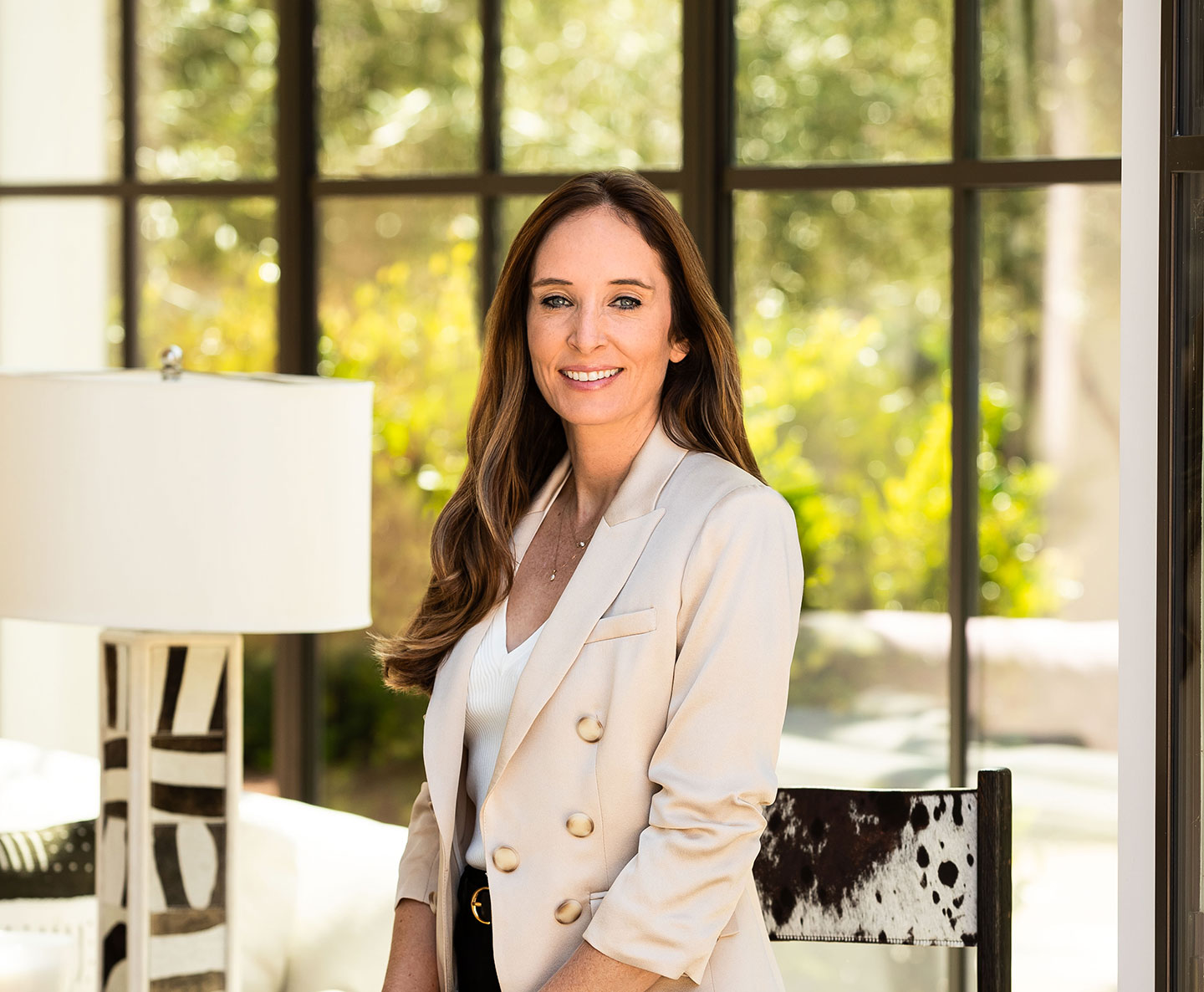
In this first interview, you are selling. You want them to be hearing all the great things about your business.
At the end of the day, you want to leave that executive with the best possible impression of your company.
Think if there is something you can do that signals, 'Hey, we really want you.'
Greylock's approach to executive and core talent is massively differential in the market.
"Competitive and driven to win, but committed to winning the right way - with humility and integrity."
Faith and Greylock's Head of Content & Editorial Heather Mack on why finding the right C-suite leader is about far more than matching industry experience. Part of Greylock's "Brain Trust" series.
Listen on SoundCloud →A deep dive into why startup hiring managers routinely underinvest in reference checks - and Faith's structured methodology for extracting the real story from references before you sign an offer.
Listen on SoundCloud →She majored in sociology, not business. UC Santa Cruz, not Stanford GSB. In a world of MBA-credentialed recruiters, she brought social systems theory to a field that needed it.
One CRO hire. Four years. $100M ARR. The Abnormal AI story is the clearest proof point that executive recruiting, done well, is not overhead - it's leverage.
She started at Bain before VC was even a career path for talent professionals. By the time the rest of the industry caught up, she had already worked at three of the best firms in the game.
In 2019, she wrote a public LinkedIn article explaining exactly why she chose Greylock. In a world of opaque VC decisions, it was a clear, principled argument. Team. Values. Focus. In that order.
Her reference-check framework - published on Greylock's site - has been read and used by founders across the portfolio. It turns what most people treat as a formality into a structured intelligence process.