There are two ways to imagine a patient finding a doctor. In the first, the patient types six anxious words into Google, studies a row of blue links, checks three reviews and taps a button. In the second, another physician says a name across an exam room. HealthLinks Marketing has built a business around the inconvenient truth that both scenes matter.
From Mount Pleasant, South Carolina, the firm sells the familiar equipment of a modern agency: strategy, websites, search, paid media, email, social, photography and video. Then the list takes a turn. There are physician liaisons who visit referral sources. There are community health fairs. There is reputation management connected to medical systems. There are custom magazines, directories, newsletters, podcasts and events. The screen and the handshake sit on the same plan.
That combination is not a clever package invented in a conference room. It is a product of the company's peculiar family tree.
A publication learned to become an engine
In 2014, former college basketball player and journalist Cullen Murray-Kemp launched HealthLinks Magazine. The premise was modest: give local providers a place to explain health matters directly to the people living around them. A free magazine moved through waiting rooms and community pickup points. One veteran delivery driver, Don Harris, grew his own bimonthly route from 250 bundles to 400.
The distribution detail matters. A media property is not merely its articles. It is a map of who reads, who contributes and who will take the call. HealthLinks accumulated those relationships before it tried to sell a unified marketing system.
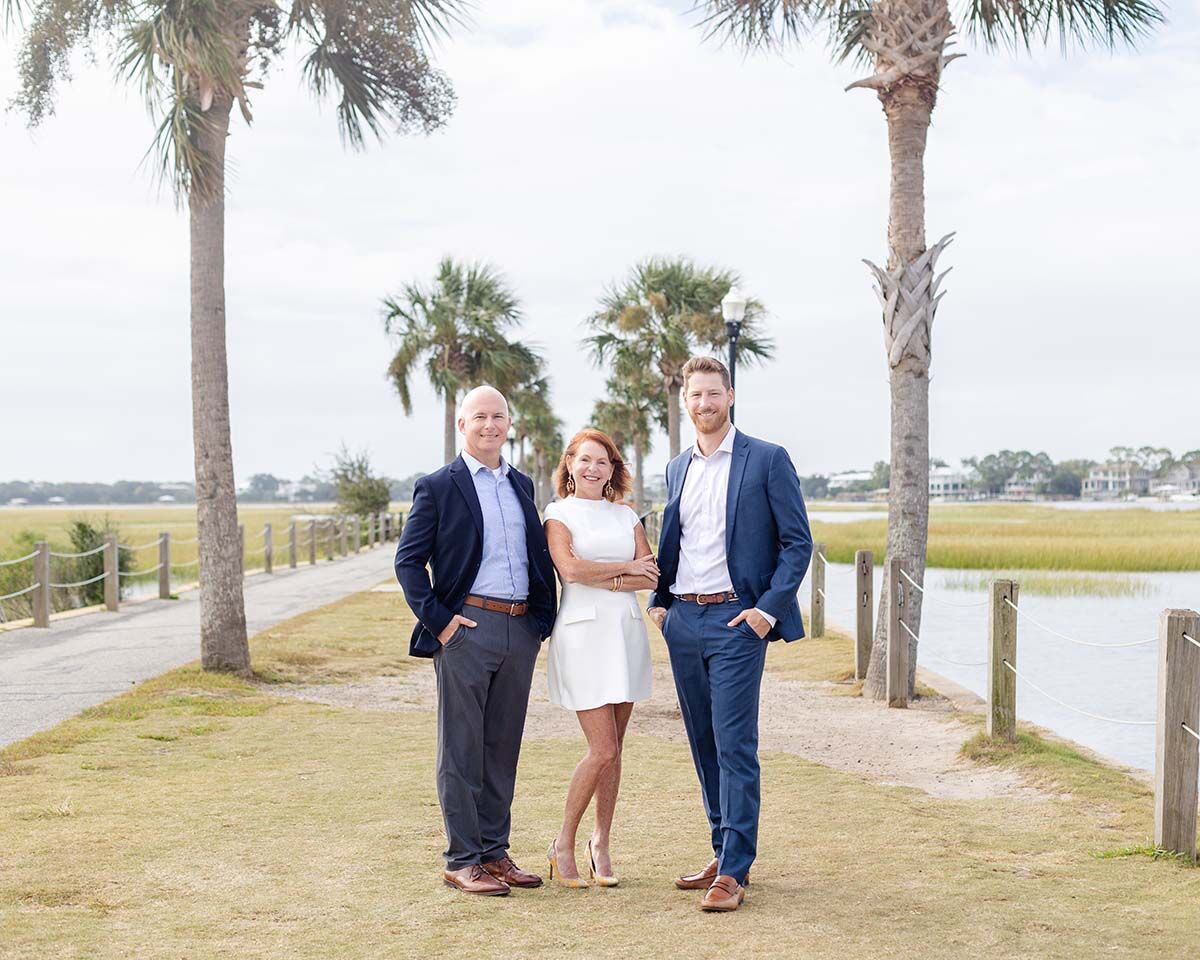
The pandemic changed where the audience could be met. HealthLinks added a podcast, newsletter and a rebuilt website, extending a print habit into digital channels. By the end of 2024, it was preparing to merge with HHK Marketing and Planning, a healthcare consultancy founded by strategist Hunter Kerrison. The combined HealthLinks Marketing arrived in 2025, co-founded by Murray-Kemp, Kerrison and Jeff Walker.
The conversion is an appointment
A general agency can optimize clicks. A healthcare specialist has to understand what happens after the click: insurance questions, privacy constraints, an anxious patient, a front desk, a referral order and a calendar that may already be full. HealthLinks frames its digital work around booked appointments and referral trends rather than attention alone.
Its annual strategies break into 90-day plans, then receive quarterly adjustment. Websites are built for conversion and prepared for customer-relationship systems. Paid search and display campaigns use conversion tracking. Review requests can begin inside an electronic medical record. A referral CRM shows which physician relationships are producing movement and which ones are going quiet.
Search + media
Story + trust
Referral + appointment
Reviews + reporting
The practical lesson is easy to borrow: stop letting the website vendor, ad buyer, social freelancer and field representative pursue four different definitions of success. Give them one growth goal, one source of reporting and a short rhythm for correction. The stack matters less than the agreement.
“You can't replace human-to-human connection. There's so much noise on phones, social media, and email.”Ciara Iorio, HealthLinks Marketing
The unfashionable channel
HealthLinks' most revealing work may be its events. In 2026, its third annual golf tournament drew 140 golfers and raised $25,000 for local Parkinson's programs. A health fair co-hosted with Del Webb at Cane Bay brought together more than 50 health and wellness providers. A cancer-survivor weekend paired in-person gathering with the photographs, social posts and recaps that let the occasion travel afterward.
This is not nostalgia for offline marketing. It is a sequence. Digital promotion fills the room; the room produces trust and stories; those stories become digital material; measurement informs the next event. The agency calls this person-to-person growth. It is especially useful for specialty practices, where the choice of provider is consequential and recommendations move through professional as well as consumer networks.
The customers reflect that thesis: Charleston Dermatology, Rhett Women's Center, Palmetto Primary Care, Charleston Oncology, Coastal Vascular & Vein Specialists, Bishop Gadsden and the South Carolina Medical Association appear among the firm's public client and partner names. These are practices and organizations for which reputation is not an abstract brand score. It arrives at reception.
What changed after marketing
By 2026, HealthLinks had followed its own argument one step further. It launched an affiliated consulting practice led by veteran healthcare operator Craig Kilgore. The new offer addresses operations, finance, technology and organizational growth for independent providers. The reasoning is hard to miss: patient demand cannot rescue a practice whose internal machinery is failing.
This expansion also clarifies where the model fits. It is strongest for independent and specialty healthcare organizations in markets where local reputation, physician referrals and community presence still influence growth. Its owned-media and relationship advantages are most tangible in the Carolinas and the Southeast. A national consumer brand seeking raw reach, or a company outside healthcare, would be buying less of what makes the firm distinctive.
Start with one patient-growth objective. Translate it into a 90-day plan. Track booked appointments and referral sources, not just traffic. Turn each in-person event or production day into months of useful content. Then ask the unfashionable question: who needs a visit, not another email?
Project prices are private, as are the company's revenue and funding. That absence is fitting. HealthLinks does not present itself as a venture-backed software machine or a high-volume lead factory. It describes selective client work, flexible staffing and rates intended to produce a return. The business model is custom service, deepened by media and community assets competitors cannot quickly purchase.
Murray-Kemp has said that good work should inspire more competition and improve care in South Carolina. It is an unusually civic ambition for an agency, but it grows naturally from a company that began by explaining medicine to neighbors. The interesting wager is not that print will beat digital, or that relationships will beat data. It is that healthcare was never asking us to choose.