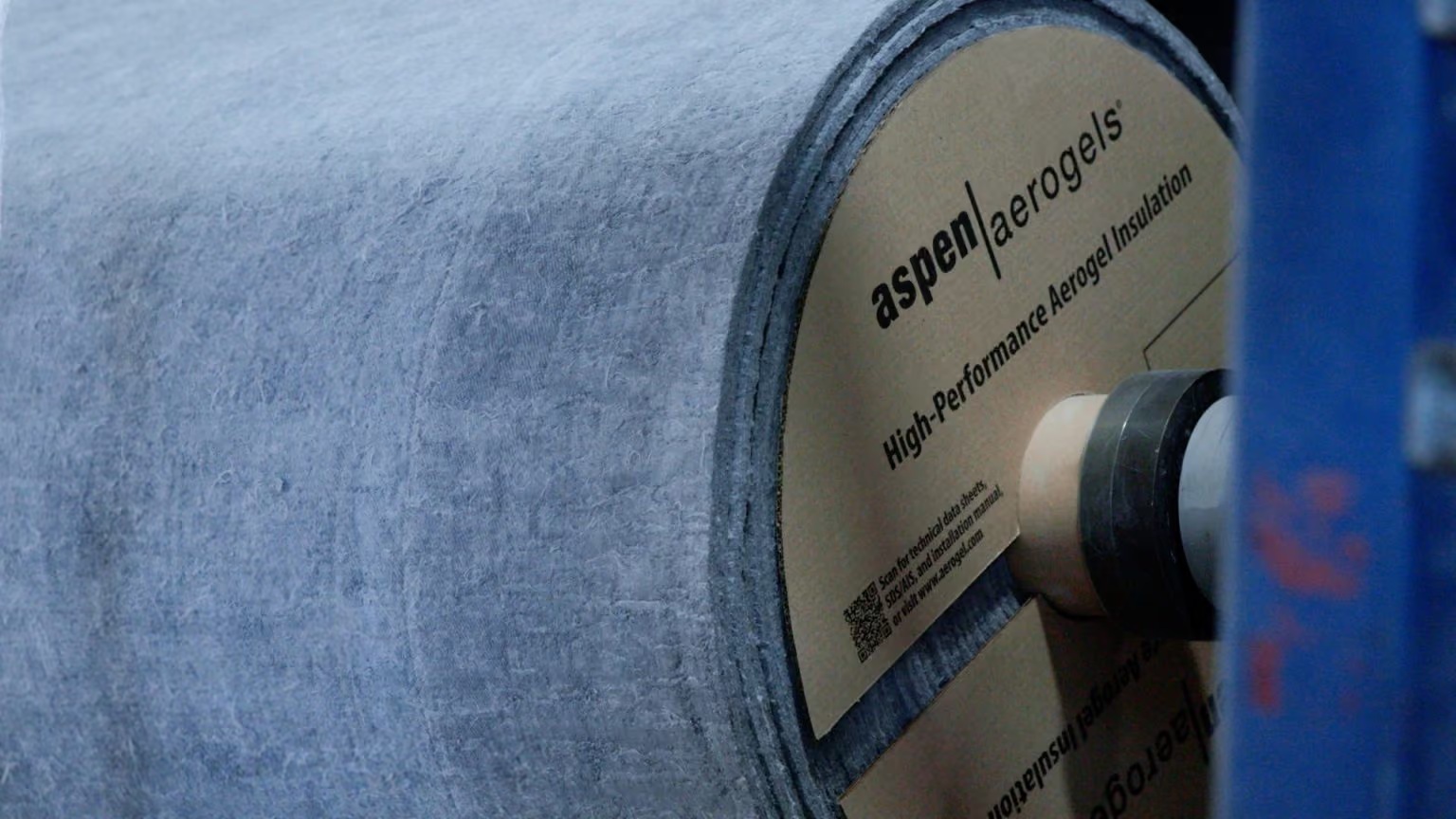
The blowtorch is an unusual accessory for an investor meeting. At an Aspen Aerogels site tour, however, it had a perfectly sensible role. Visitors were examining a business whose materials protect against heat. A demonstration could give them something a slide could only describe.
Gateway Group helped organize that visit. More than 20 current and prospective institutional investors attended, according to its case study. They saw production, research facilities and testing, and questioned senior executives. The exercise suggests an appealing idea about financial communications: sometimes the most useful thing you can do with an investment story is let somebody inspect it.
That is a good place to begin with Gateway, a financial communications and digital media advisory firm whose emphasis is smaller public companies. Its work covers investor relations, public relations, branding and the practical machinery connecting them. A company may arrive needing an earnings presentation. The underlying problem may be that its audience does not yet understand what the business can do.
The ticker is only the beginning
Consider the awkward position of an emerging public company. Management has a business to operate and a market to explain it to. Those tasks overlap, but the audiences ask different questions. A customer wants to know whether the product works. An investor also wants to know how selling it becomes a durable business.
Gateway works in that gap. Its investor-relations offering includes earnings materials, financial releases, investor presentations, shareholder targeting, perception studies and corporate access. An internal team can use it for additional capacity and counsel. A younger issuer can use it to establish the routines that public-market audiences expect.
The firm also works with private businesses and companies preparing to list. Equity-story advisory helps turn business history and plans into an investment case; IPO and SPAC advisory addresses the transition into public markets. Transaction and crisis communications cover moments when the usual calendar gives way to a more consequential announcement.
There is a clear market position here: an agency built around the needs of issuers, with creative and media services attached. A buyer could assemble an internal IR function and separate communications suppliers. Gateway’s proposition is the convenience and accumulated understanding of having those disciplines work together.
A financier learns to translate
J. Scott Liolios founded the firm in 1999. Before investor relations, he worked in investment banking and managed a micro- and small-cap hedge fund. In his writing about relationships, he describes a career in which speaking with people across the financial world was part of understanding it.
That background helps explain the emphasis on direct contact. A financial audience has its own habits, restrictions and vocabulary. Knowing how to write for it is useful. Knowing which questions it is likely to ask makes the writing much more useful.
Gateway’s expansion followed a practical pressure. In a 2024 interview, Liolios attributed the broader offering to growing client demand and changes in the industry. Clients needed help across more of their public presence. The agency’s understanding of the business could travel into those assignments.
The company announced a public-relations division in October 2020; later histories place the practice’s launch in 2021. Branding & Creative followed in 2023. That team’s remit includes websites, identities, investor-day materials and presentations. A redesign becomes an opportunity to examine whether the visual explanation matches the financial one.
Gateway describes senior-led engagements supported by teams. Its staff backgrounds span investment banking, fund management and digital marketing. Its stated workplace values emphasize collaboration and entrepreneurship. For clients, the practical test of that arrangement is whether specialist knowledge survives the handoff from adviser to writer to designer.
Forty chairs, six analysts, many rehearsals
The Compass Diversified case study makes the work wonderfully concrete. For its 2024 investor day, Gateway interviewed presenters, developed the content structure, designed the presentation and advised on scripts. There were rehearsals and edits. There was also the less glamorous business of coordinating the webcast and on-site technology.
The invitation list had a logic. Gateway contacted shareholders and covering analysts, then sought investors who owned comparable businesses but did not own Compass. The event included management presentations and visits involving portfolio companies Lugano and 5.11.
These are modest-looking numbers beside the usual internet scoreboard. They are also more informative than a giant impression count. An investor day has a particular audience and a particular purpose. The sensible question is whether the people who can evaluate and follow the business got a useful opportunity to do so.
Gateway’s published account gives a reader something to copy: interview the speakers before building the deck, decide who belongs in the room, rehearse the delivery, and make the remote experience work. None of those steps requires a theatrical budget. Every one requires somebody to own it.
One factory, several conversations
Amprius Technologies needed attention around an expanded manufacturing line in Fremont, California. Gateway combined investor and public relations for an invitation-only opening, managing email invitations and outreach to media, government and finance audiences. The event brought roughly 100 customers, investors, partners and journalists together.
The work continued after the visit. Gateway developed social posts from the event; its case study reports more than 11,000 organic impressions on recap content. It also describes follow-up investor conversations and research updates. Those are company-reported results, and they measure different things. A social impression and an investor’s diligence conversation should never occupy the same column.
“Gateway has been an invaluable partner for Amprius and a true extension of our team.”Scott Zafiropoulo · Amprius Technologies
In a separate Amprius assignment, Gateway coordinated communications around the announcement of a planned Colorado factory in 2023. The campaign involved embargoed media outreach, social content and stakeholder emails. That work received a 2024 TITAN Business Awards Gold award for media-relations strategy. The recognition concerns the communications campaign, rather than the subsequent commercial performance of the factory plan.
The price of a particular job
Gateway sells services through engagements tailored to the assignment. Its creative practice explicitly offers both individual projects and outsourced support. The economic unit is the work a client needs done: a presentation, a website, ongoing communications or a major corporate event.
One public filing puts a dollar figure on a specific assignment. YD Bio’s 2026 prospectus amendment reports that Breeze paid Gateway a $90,000 transaction success fee for public-relations services connected with the completed business combination with YD Biopharma. The combination closed in August 2025.
That figure belongs to that contract. It cannot sensibly be used as the price of an investor-relations program or an Aspen-style tour. For a prospective client, the useful lesson is to define the deliverables and payment triggers together. A recurring communications calendar and a transaction closing are different assignments.
An invitation needs a reason
The Gateway Conference extends the firm’s relationship work into a gathering. Its 2025 recap reported more than 300 investors and analysts alongside over 60 companies. Stocktwits broadcast from the floor, adding a retail-investor audience to an event built around company presentations and meetings.
But attendance alone is an incomplete objective. In January 2026, managing director Ralf Esper described Gateway’s approach to matching investors with companies as they mature. His framework considers fund mandates, trading volume, sector interests and risk tolerance, then revisits the target list as the business demonstrates progress.
- Find the fitMatch the investor’s mandate to the business today.
- Bring evidenceGive the meeting a concrete operating milestone.
- Earn a return visitIdentify the remaining question and follow up when it can be answered.
This is where the service meets its limits. In his lessons for executives, senior managing director Cody Slach points to liquidity: some institutions want a stock to trade at least $5 million a day before taking interest. He also stresses credible forecasts and delivery against expectations. An appealing presentation cannot change a fund’s constraints or supply missing operating performance.
A useful measure of the work, then, is whether uncertainty becomes more specific. An investor understands the product but wants evidence of repeat orders. Another understands the growth plan but needs more trading liquidity. Those are clearer next steps than a vague request for more visibility.
Return to the factory tour. The interesting part is the chance to look, ask, test an assumption and leave with a better question. Gateway’s business is arranging more of those chances, and helping the company make them count.