A late period turns a calendar into a question mark. A sleepless night adds another. Flo built its business in that uneasy space between noticing something about your body and knowing what to ask next. The entry point is modest: log a period, record a symptom, look ahead. The ambition is considerably larger: become the app that stays useful as those questions change over decades.
By August 2026, Flo said it had 80 million monthly active users. Two years earlier, a General Atlantic investment of more than $200 million had valued the company above $1 billion. Those are substantial numbers for a product whose first job can be described without mentioning artificial intelligence: help someone keep track. The more revealing question is what Flo persuaded people to come back for.
A calendar opens the door
Founded in 2015 by brothers Dmitry and Yuri Gurski, Flo belongs to the consumer end of digital health. It meets users on their phones, outside the appointment system. Its mission centers on improving female health through better information. There is a useful commercial observation underneath that aspiration: health questions keep arriving between visits, whether or not someone has a clinician available to answer them.
The app combines cycle and symptom tracking with educational material, pregnancy information and private community discussions. A user can move from recording cramps to reading about them without starting a fresh search. Flo’s medical network reviews the information it publishes. That combination of diary and explanation is the product’s real proposition. A date tells you when; the surrounding material attempts to help you understand what you are noticing.
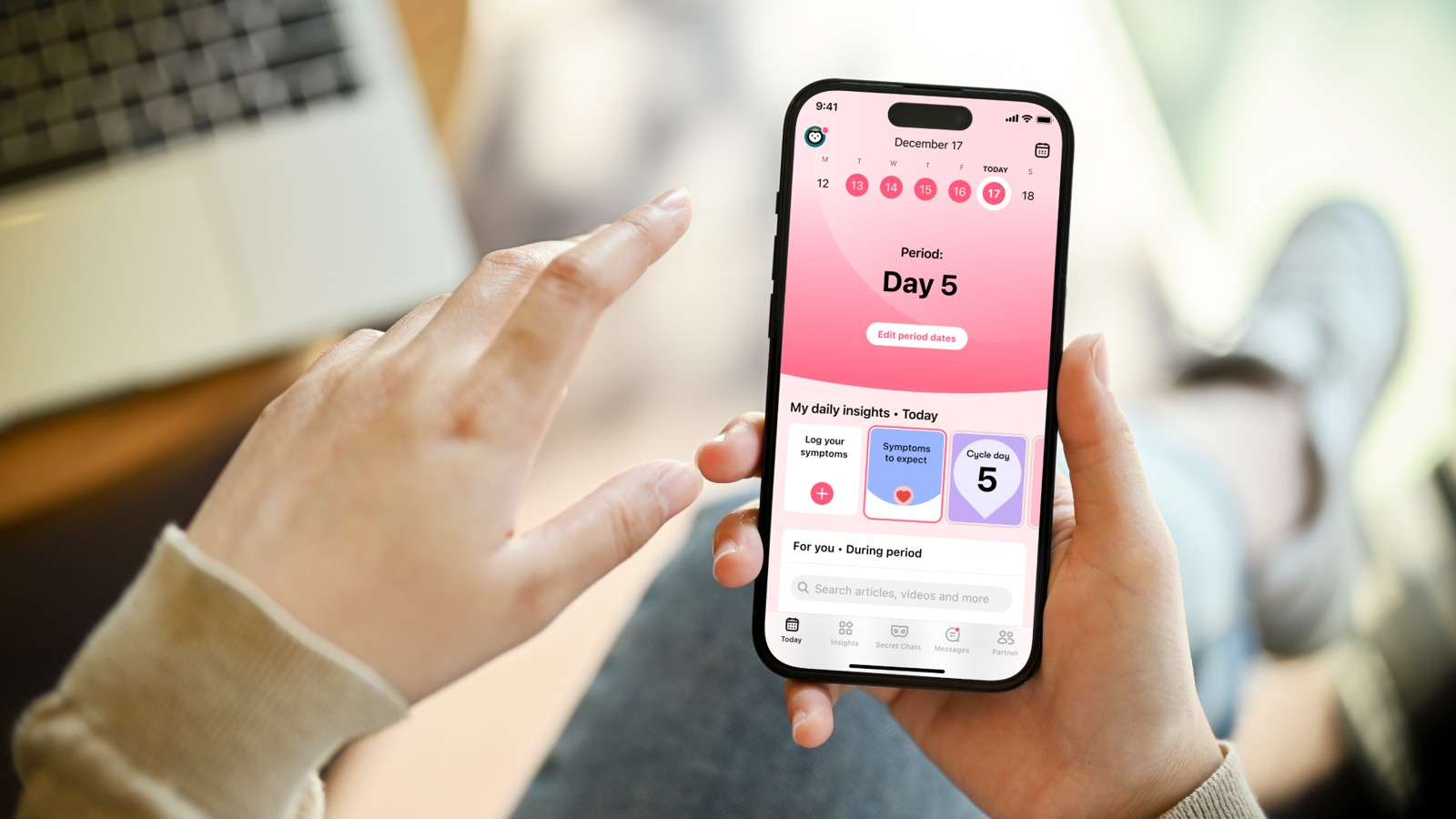
Its tracking tools also make room for practical chores. Flo’s help center explains how to set contraception reminders and log taking a pill. With contraception reminders enabled, it generally hides fertile-window and ovulation predictions; a copper IUD is an exception. Such details matter because the same calendar means different things to different people. A useful interface must accommodate those differences without expecting users to become experts in its settings.

The money follows the next question
Flo uses a freemium subscription model. Basic access brings people in; Premium offers expanded insights and content. The company says subscriptions fund development. Plans are available through the app and website, with the offer shown during the subscription process. For a prospective customer, the relevant price is the plan on that checkout screen, including its renewal terms.
The expansion was already visible in September 2021, when Flo announced a $50 million Series B led by VNV Global and Target Global. It reported 1.5 million active subscribers that August and said funding would support personalization and hiring. By June 2024, the company reported close to 5 million paid subscribers alongside nearly 70 million monthly active users. Paid subscriptions and monthly usage measure different things; neither is a count of medical outcomes.
Historical subscriber counts. The chart does not imply a current subscriber total.
The 2024 funding announcement forecast gross bookings above $200 million for that year, roughly 50 percent higher than the previous year. That was a forecast for bookings, not a published revenue result. It identified perimenopause and menopause, richer health insights and research-and-development hiring as priorities. Investors were financing a broader relationship with customers, beyond predicting the next period.
“When we started Flo, we identified a huge gap in women’s health services.”Dmitry Gurski / July 2024
The model offers a lesson other subscription businesses can borrow: solve a recurring task, then make the surrounding questions worth answering in the same place. It depends on earning repeated attention. If someone only wants a date on a calendar, additional courses and insights may add little value. A large free audience does not remove the obligation to make the paid experience worth its price.
The privacy promise met the plumbing
Flo’s growth story carries a difficult privacy record. In June 2021, the Federal Trade Commission finalized an order settling allegations that Flo shared sensitive health information with outside analytics providers after promising to keep it private. The case concerned disclosures to companies including Facebook and Google. The order required affirmative consent before certain sharing and an independent review of privacy practices.
The failure documented by the regulator was a gap between assurances and the way information moved through the product. That is a concrete lesson for any company adding analytics software to a sensitive service: the data sent by integrations belongs in the same conversation as the words users read at signup. Privacy cannot be evaluated by reading the reassuring sentences alone.
A separate US class action remained part of the story. In July 2025, Flo announced it had agreed to settle, without admitting wrongdoing, and said the terms were subject to court approval. The company disputed the claims. That announcement should be read alongside the earlier regulatory record, with the distinction between allegations, settlements and admissions kept intact.
A setting designed to know less
The change of direction became tangible in Anonymous Mode. Flo says the US Supreme Court’s decision overturning Roe v. Wade accelerated its launch. Introduced in 2022, the optional feature separates personal identifiers from health information. In June 2023, the company released underlying libraries as open source, giving other developers something they could inspect and use.
Flo describes Cloudflare as the relay separating network identity from health content.
The design uses a relay operated by Cloudflare. Flo describes a separation in which the relay cannot read the health information it forwards, while Flo does not receive the identifying information associated with it. Anonymous Mode is free regardless of subscription status. Its practical cost is convenience: switching creates a new account, deletes the original and limits support that depends on recognizing an individual.
This is a choice readers can actually examine. The code is public, and the product explains the account tradeoffs. In August 2026, Flo also reported zero findings in its annual ISO 27001 and ISO 27701 audits of information-security and privacy-management systems. Those audits speak to the systems assessed. They do not turn a company’s past into a blank page or establish a guarantee about every future event.
The next customer is growing older
Flo launched its perimenopause offering in July 2025. It brought educational guidance to people experiencing, approaching or simply curious about that transition. The business logic is easy to see: a user’s questions do not end when cycle prediction becomes less central. Staying useful requires the product to explain a different set of experiences, rather than assuming everyone is trying to conceive.
Research supplies part of that expansion. In January 2026, Flo and Mayo Clinic announced a study involving 17,494 Flo users across 158 countries. Published in Menopause, it examined knowledge and symptoms of perimenopause. Among respondents aged 35 and over who reported being in perimenopause, exhaustion, fatigue and irritability were particularly common. The findings pushed attention beyond the familiar image of hot flashes.
The survey’s reach is valuable, but its population matters: these were participating app users reporting their experiences. It was not a representative census of every woman in those countries, nor proof that using Flo treats symptoms. The useful takeaway is narrower and more actionable: education should reflect what people report experiencing, and the questions they need help putting into words.
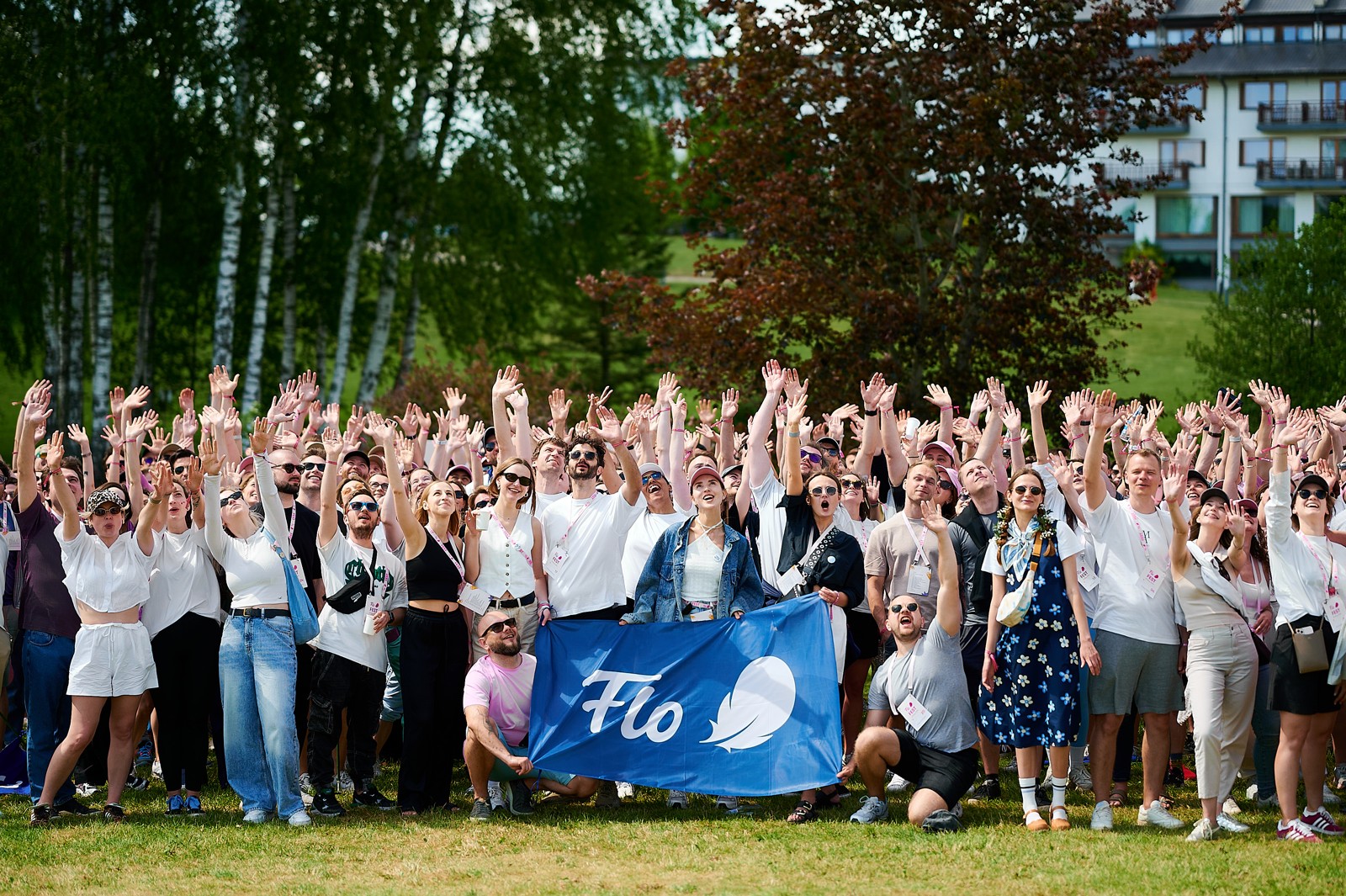
Flo’s expertise therefore spans several jobs. Engineers build prediction and privacy systems; medical contributors assess content; researchers design studies; product teams decide what appears on a small screen. Its recruiting materials advertise learning support, enhanced parental leave, female health leave and a five-week sabbatical after five years. The company calls that anniversary a “Floversary.” Even a serious health business apparently reserves a little room for office vocabulary.
A crowded phone, a specific job
Flo’s breadth has competition. Clue also combines menstrual tracking with paid insights and support across life stages. Apple’s Health app includes Cycle Tracking, making a basic log available inside an existing phone ecosystem. Natural Cycles occupies an overlapping but distinct position: its birth-control product has FDA clearance for contraception. Flo’s own clinical material says its predictions are informational and it is not a diagnostic or contraceptive tool.
That distinction sets the conditions for using Flo well. A record of symptoms can support a conversation with a clinician; an app prediction cannot supply a diagnosis. Someone choosing a contraceptive needs a method intended for that purpose. Someone who wants only a simple log may prefer a simpler product. Flo’s advantage lies in bringing tracking, explanation and community together for users who want that combination.
Its reach also extends beyond paying customers. Through Pass it on, Flo reported donating 28 million Premium subscriptions by August 2026. Separately, its collaboration with UNFPA includes fundraising for dignity kits containing menstrual and hygiene supplies for women displaced by crisis. These activities address different needs: access to information on a screen and access to physical necessities.
In August 2026, Flo appointed former Remitly marketing chief Rina Hahn, explicitly linking the role to expansion and reaching the over-40 demographic. The next test is familiar despite the bigger audience: give people a reason to return when their bodies change. Flo has built a sizable business around the first question. Keeping the relationship will depend on the quality, usefulness and privacy of the answers that follow.