He pulls battery-grade lithium out of the saltwater everyone else writes off as too weak to bother with.
The chemist who looked at a ten-step mining process and asked the dangerous question: why ten?
Picture a 20-foot shipping container parked beside a salty pond in the American West. Electricity flows in. Inside, electrodes drink lithium ions out of water so dilute that conventional miners walked past it for decades. What flows out is battery powder. That container is Eric McShane's whole argument.
McShane runs Electroflow Technologies, a company he co-founded in 2023 to make lithium iron phosphate - LFP, the cathode material inside an enormous share of the world's batteries and grid storage. His framing of the problem is blunt: the stuff is nearly impossible to buy outside one country. "LFP is the missing ingredient for energy prosperity," he says. "The problem is it's literally 99% made in China."
His fix is not a better mine. It is skipping most of the mine. Electroflow's electrochemical cells use lithium-selective electrodes to grab ions straight from dilute brine, then release them into carbonate water to form lithium carbonate, which then becomes LFP. Three steps where the old playbook used roughly ten. The company reports recovering about 96% of the lithium present, against the 40% to 60% typical of sun-baked evaporation ponds.
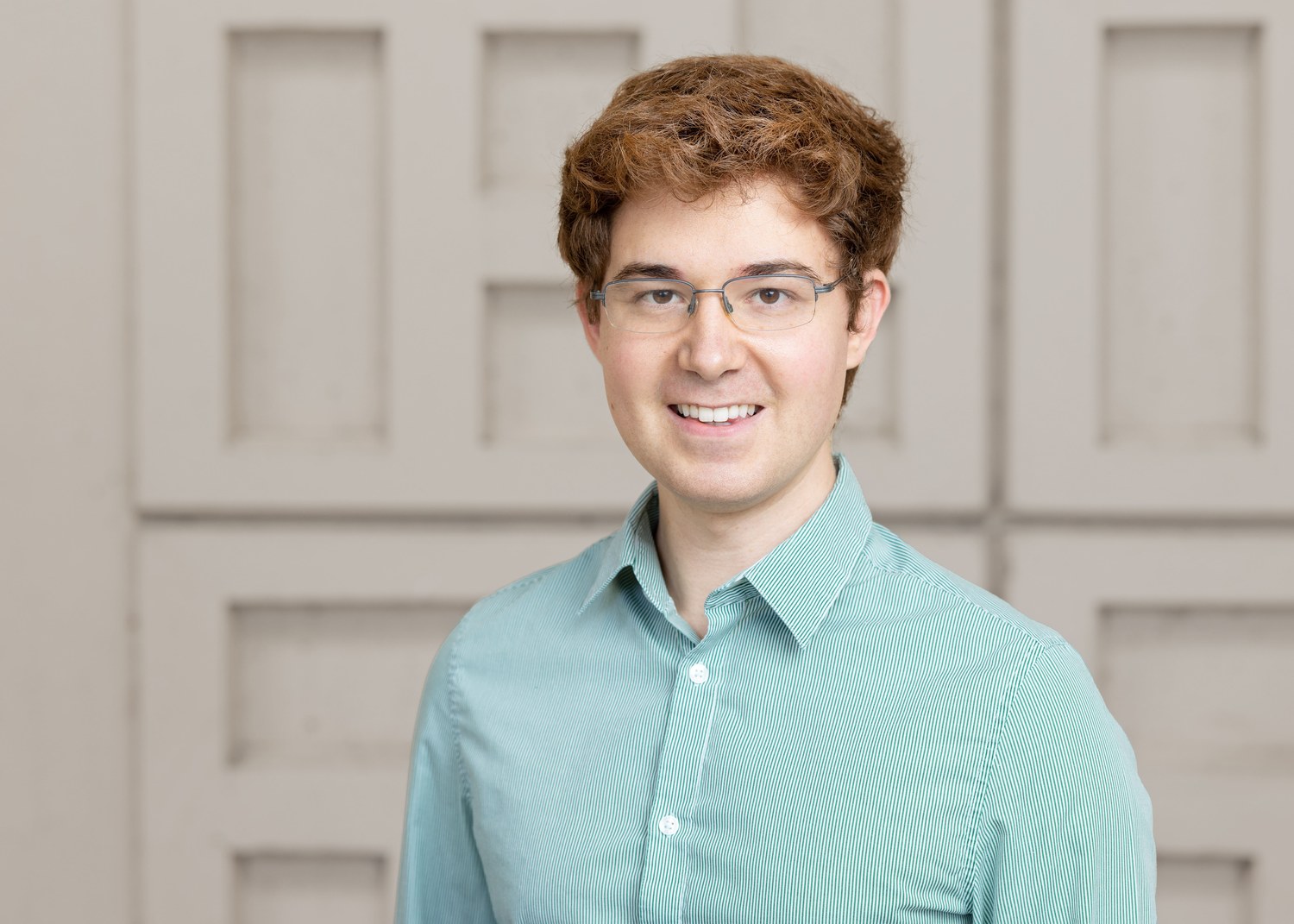
We looked at the whole process of mining. We were like, man, that's like ten steps. That clearly is not the best way to do it.- Eric McShane, on the origin of Electroflow
Electrochemical cells with lithium-selective anodes pull lithium ions directly out of dilute saltwater brine.
Run the cell in reverse into carbonate-rich water and the ions drop out as lithium carbonate.
That carbonate reacts with iron and phosphate to become LFP cathode powder - ready for batteries.
Conventional lithium extraction: ~10 steps, evaporation ponds, big water footprint VS Electroflow: 3 steps, runs on electricity, recycles most of its water
Chinese producers set the global price for LFP material at roughly $4,000 a metric ton. McShane's first-generation system aims to land near $5,000 - close, but not yet under. The bet is on what comes after: at full scale, he targets below $2,500 a ton, which would undercut China by about 40%.
"Unless methods in China change to be a complete blank-slate, clean-sheet solution like we're doing," he argues, "they can't get much lower." A full-scale unit is designed to make about 100 metric tons a year and sip roughly the electricity of a single US household.
Targets stated by the company; full-scale figure is a goal, not a shipped price.
Before the brine and the funding rounds, there was a lab. McShane and his co-founder Evan Gardner met in 2021 in Matteo Cargnello's group at Stanford, both fresh postdocs. By the lab's first holiday party they had figured out they shared a fascination with all things electrified. That conversation became a side project, the side project became a conviction, and in 2023 they applied to Breakthrough Energy Fellows, the Bill Gates-backed clean energy accelerator. They got in. Electroflow was born.
McShane arrived with the right scars. His UC Berkeley PhD, finished in 2021 under Bryan McCloskey, dug into why lithium-ion batteries fight back when you try to fast-charge them - a thesis on graphite interphasial chemistry. He had built lithium-ion cells, nitrogen-reduction systems, and lithium-extraction rigs across grad school and his postdoc. He knew batteries from the inside. Electroflow is what happened when he aimed that knowledge one step upstream, at the lithium itself.
B.S. Chemical Engineering, Cornell (2016). NSF Graduate Research Fellow. PhD, UC Berkeley (2021). Postdoc, Stanford's Cargnello Group (2021-2023). Breakthrough Energy Fellow (2023). Co-author of 20+ peer-reviewed papers cited 1,500+ times.
During the pandemic he taught immunology and epidemiology to incarcerated learners through Mount Tamalpais College, and volunteered designing science curriculum for Bay Area elementary schools.
Graduates Cornell in chemical engineering; wins an NSF Graduate Research Fellowship.
Finishes his Berkeley PhD on graphite and fast-charging under Bryan McCloskey.
Joins Stanford's Cargnello Group and meets co-founder Evan Gardner.
Co-founds Electroflow; named a Breakthrough Energy Fellow.
Raises a $2.8M pre-seed round.
Validates on California geothermal brine; closes a $10M seed led by USV and Voyager.
There is a bigger number behind the chemistry. By McShane's accounting, roughly 75% of US lithium brine reserves are too dilute for conventional extraction to bother with. Electroflow's whole reason to exist is to make that neglected 75% worth pumping - enough lithium, the company estimates, to put 300 million electric vehicles on the road.
His ambition is not a gadget. It is a supply chain: the largest fully domestic American source of LFP, built so that the missing ingredient stops being missing. The container by the pond is step one.
LFP is the missing ingredient for energy prosperity. The problem is it's literally 99% made in China.- Eric McShane
His PhD was about why batteries struggle to fast-charge. He flipped that battery expertise upstream to make the lithium itself.
A full-scale Electroflow refinery fits in a shipping container and uses about as much electricity as one US household.
The team tested the process on real brine pulled straight from a pipe at a California geothermal site.
He credits his Berkeley advisor Bryan McCloskey as formative, and is married to Jingyi Li.
Marquis Who's Who honoree (2025), Breakthrough Energy Fellow, and an NSF Graduate Research Fellow before that.
Electroflow is exactly what it says: electrons in, lithium flows out. No evaporation pond required.
Profile compiled from public sources · Quotes as reported · Cost figures are company-stated targets