In September 2023, Delta discovered a peculiar problem with being wanted. Its airport lounges were crowded. Elite status had become less exclusive. The airline proposed tougher rules for earning status and entering clubs. Customers objected. Within weeks, chief executive Ed Bastian was acknowledging that the company had moved too fast. By October, Delta had softened parts of the plan.
The episode exposed the machinery beneath an airline ticket. A seat gets you somewhere. A loyalty program gives you reasons to choose the same company again. But the promised rewards occupy actual space: a lounge chair, a better seat, a shorter queue. Delta had encouraged people to want those things. Then it had to decide how many people could have them.
- Flights bring customers in. Rewards give them reasons to return.
- Premium service needs enough seats, lounge space and reliable operations.
- Delta’s loyalty rollback and outage show where those promises get tested.
Before the lounge, the boll weevil
Delta’s roots reach back to an altogether different capacity problem. In 1925, Huff Daland Dusters began using aircraft to protect crops from insects. C. E. Woolman, an agricultural extension specialist who joined the business that year, became its principal founder. He led the effort to buy the operation in 1928. Passenger flights began in 1929.
The Delta Flight Museum credits Woolman’s assistant, Catherine FitzGerald, with suggesting the name Delta for the Mississippi Delta region. An airline associated with boarding groups and international connections inherited its name from farmland. Its first business was taking a useful machine to a customer’s problem. The question of usefulness remains.
One aircraft, several businesses
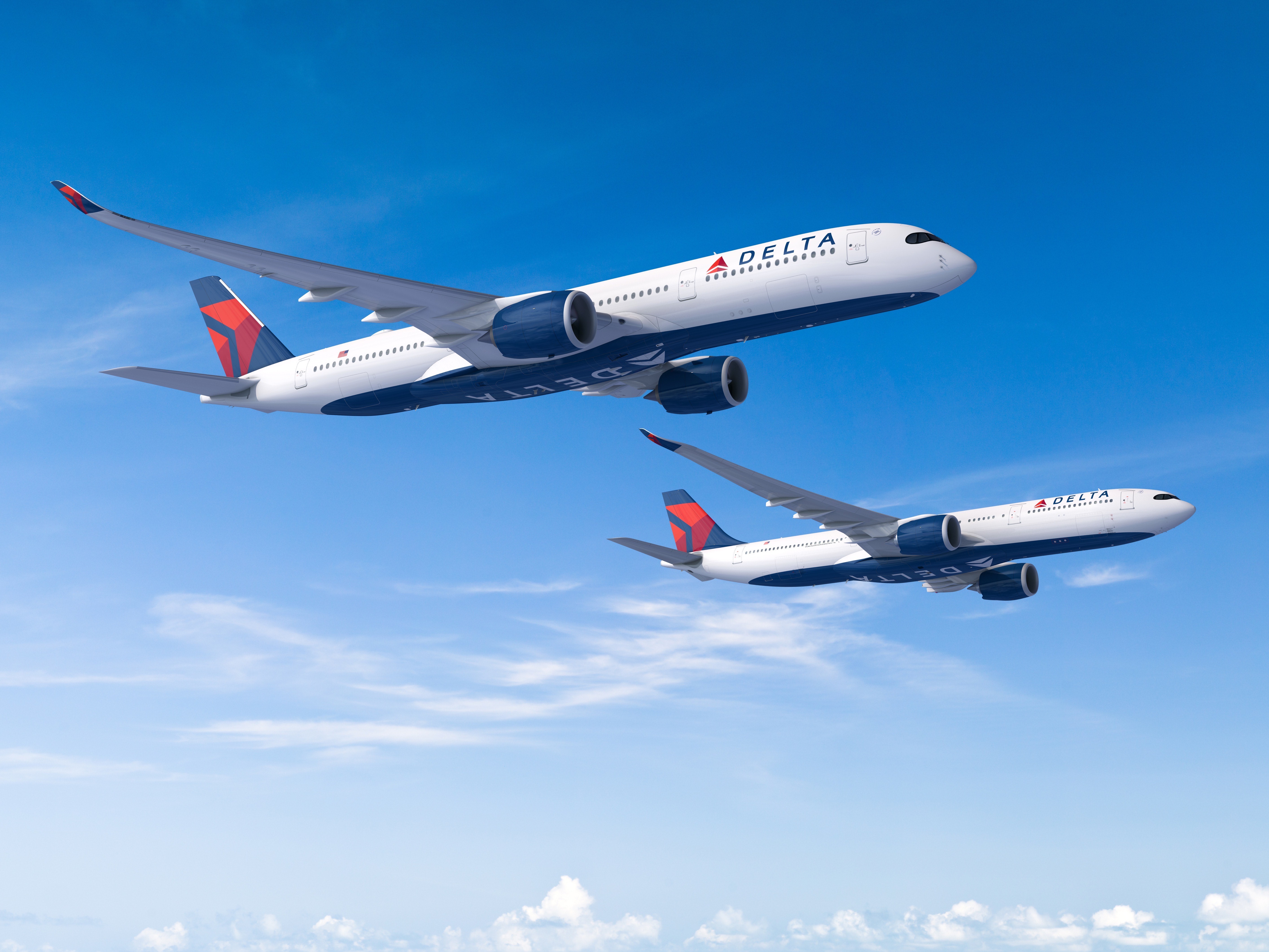
Today, Delta carries vacationers, families and business travelers across a domestic and international network. It served more than 200 million customers in 2025. Atlanta anchors a hub system that gathers passengers from different cities and connects them to onward flights. For a traveler, that means more possible journeys, sometimes at the price of a connection.
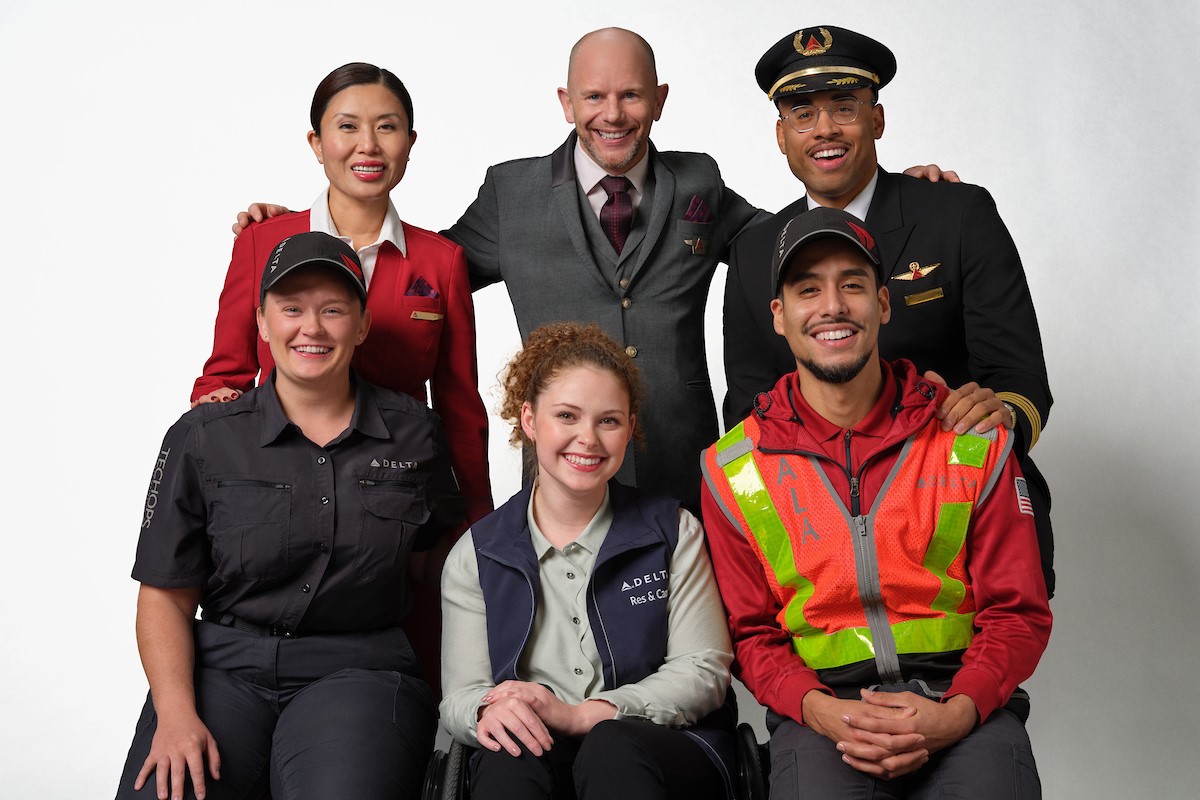
The offer extends from economy seating to extra legroom, premium economy and Delta One business class on selected routes. The Fly Delta app handles practical tasks such as check-in, boarding passes and trip information. SkyMiles rewards repeat engagement. Vacation packages combine travel purchases. Delta Cargo sells transportation for freight, while TechOps sells aircraft and engine maintenance expertise to other operators.
These businesses share infrastructure but solve different problems. A corporate buyer needs schedules that fit meetings. A family wants manageable connections and clear baggage rules. A freight customer needs a shipment moved. A maintenance customer needs an aircraft returned to service. Delta’s expertise is coordinating people, equipment and time across those obligations.
The purchase that happens on the ground
The financial clue is American Express. Delta reported $8.2 billion in remuneration from the card company in 2025, up 11 percent. Co-branded cards allow customers to earn rewards through everyday spending. Delta receives payments under a commercial relationship that includes miles and other benefits. That remuneration is neither pure profit nor an additional revenue line to stack on top of reported sales.
Delta reported $63.364 billion in 2025 operating revenue. Its adjusted revenue, excluding third-party refinery sales, was $58.287 billion. Keeping those measures separate matters: the company also operates a refinery business. An airline comparison can become misleading before anyone has even discussed an airplane.
The competitive idea is straightforward. United and American also offer large networks, premium cabins and loyalty programs. Delta seeks preference through the combination of its operations and service. Against a cheaper ticket elsewhere, that preference has to earn its price. A traveler who only needs a low fare has little reason to pay for benefits they will never use.
The clock is part of the product
In Cirium’s 2025 measurement, 80.9 percent of Delta’s 1.8 million flights arrived within 15 minutes of schedule, placing it first among North American airlines. The definition matters. On time allows a small delay; the annual figure does not promise punctuality on your particular trip. Still, the result gives substance to a claim travelers can otherwise only test by buying a ticket.
The human side has a price tag, too. Delta announced $1.3 billion in employee profit sharing from its 2025 profits, equivalent to an estimated 8.9 percent of eligible annual earnings. Its formula distributes 10 percent of the first $2.5 billion in qualifying profits and 20 percent above that level.
International partnerships extend the proposition. Air France, KLM and Virgin Atlantic coordinate transatlantic services with Delta; Korean Air and LATAM add connections in other regions. Customers gain routes and reciprocal benefits, subject to the relevant rules. The useful unit becomes the whole itinerary, including a partner’s flight.
A promise meets a broken computer
July 2024 supplied the brutal counterexample. A faulty CrowdStrike update disrupted Windows systems worldwide. Delta canceled approximately 7,000 flights over five days. Crew tracking became a recovery bottleneck as schedule changes accumulated. Owning airplanes and having willing passengers could not solve the problem of putting the right crews in the right places.
Delta estimated a $380 million revenue impact and $170 million in additional non-fuel expenses, partly offset by roughly $50 million in lower fuel expense. Those are the company’s estimates, not a damages award. The sequence is instructive: an external software failure became an internal coordination failure, then a customer problem. Reliability must include the ability to restart.
The 2023 loyalty dispute revealed another limit. Customer feedback prompted lower proposed status thresholds and more generous access provisions, while Delta retained the shift toward spending-based qualification. Its direction survived; the pace changed. A rewards system is a bargain people interpret emotionally, even when its rules are expressed in numbers.
“I think we moved too fast, and we are looking at it now.”
Ed Bastian / September 2023 / on loyalty changes
The next flight still has to pay
Delta is committing to more capacity: its January 2026 Airbus agreement covered 31 additional widebody aircraft, with deliveries scheduled to start in 2029. The purchase price was not disclosed in the announcement. In October, it reported September-quarter GAAP operating revenue of $20.2 billion and operating income of $1.5 billion. Fuel remained a material pressure on earnings.
The lesson another business can copy is the connection between the purchase and the return visit: give customers a practical reason to come back, pay employees when the company succeeds, and listen when rewards become harder to use. The conditions matter. Repeat demand, enough service capacity and dependable recovery systems must support the promise. For passengers, the decision is simpler: compare the actual route, fare and usable benefits.